Last updated November 23, 2026
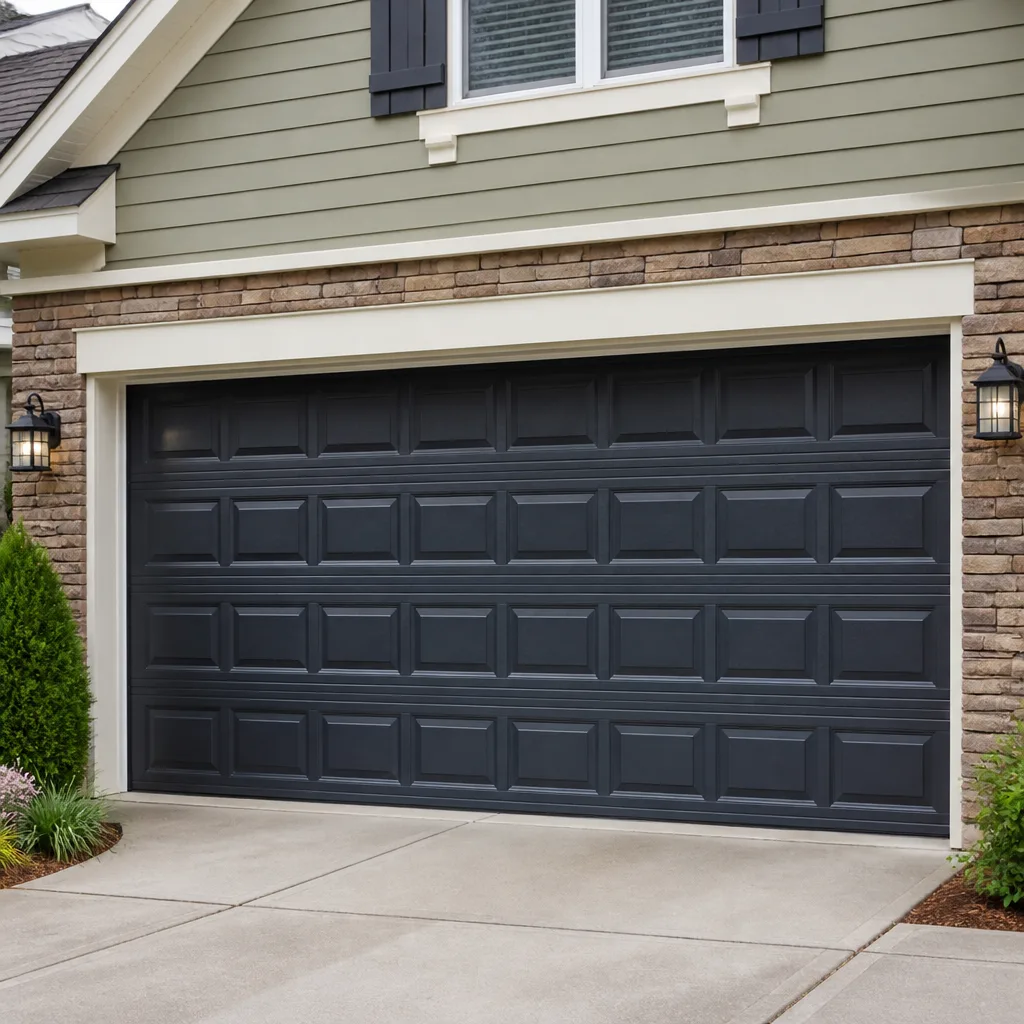 Raised-panel steel
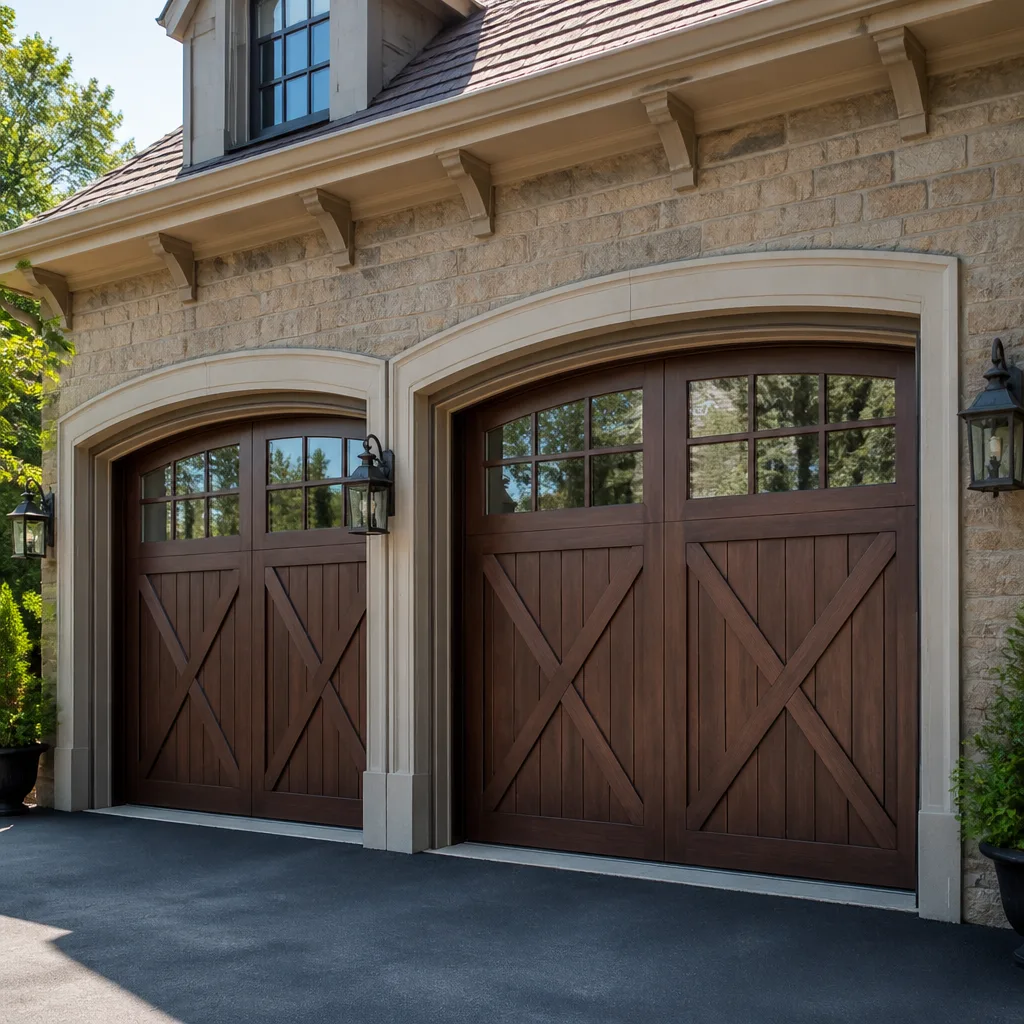 Carriage house
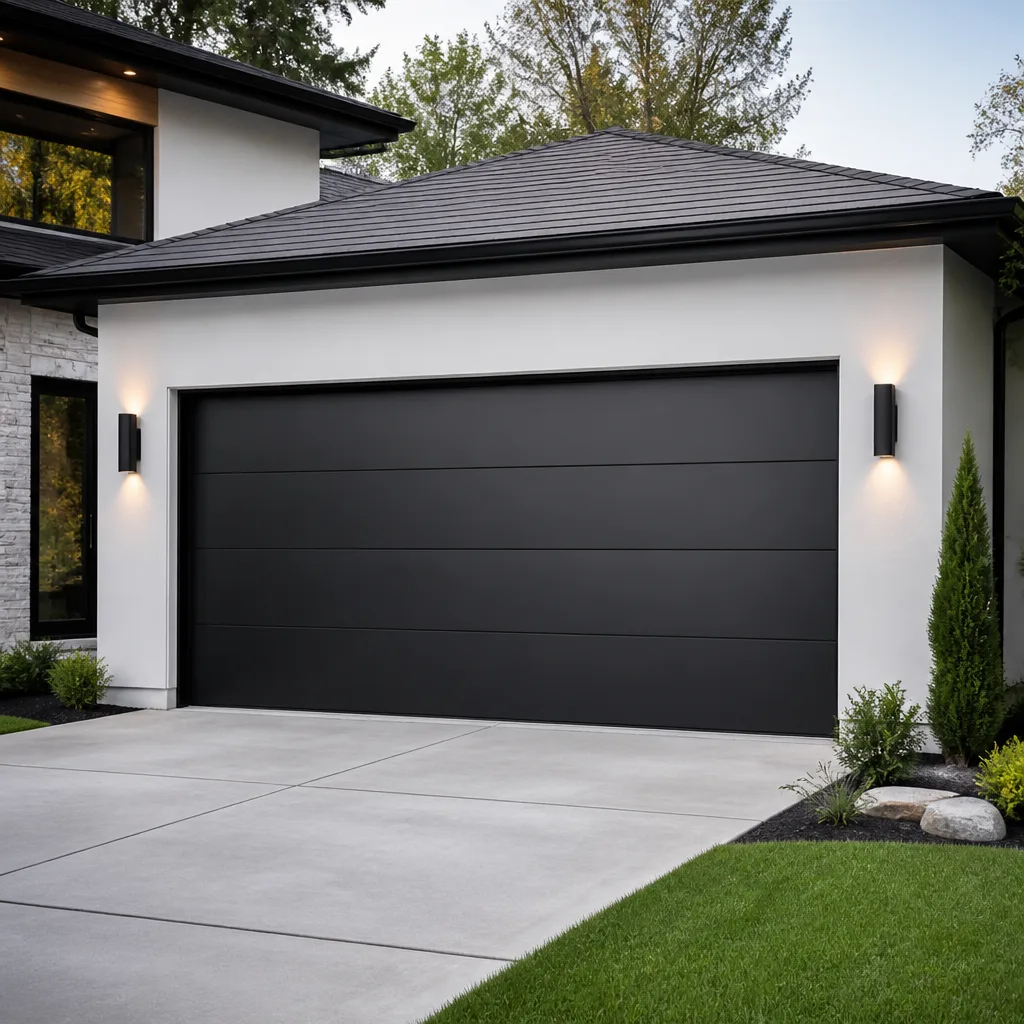 Modern flush
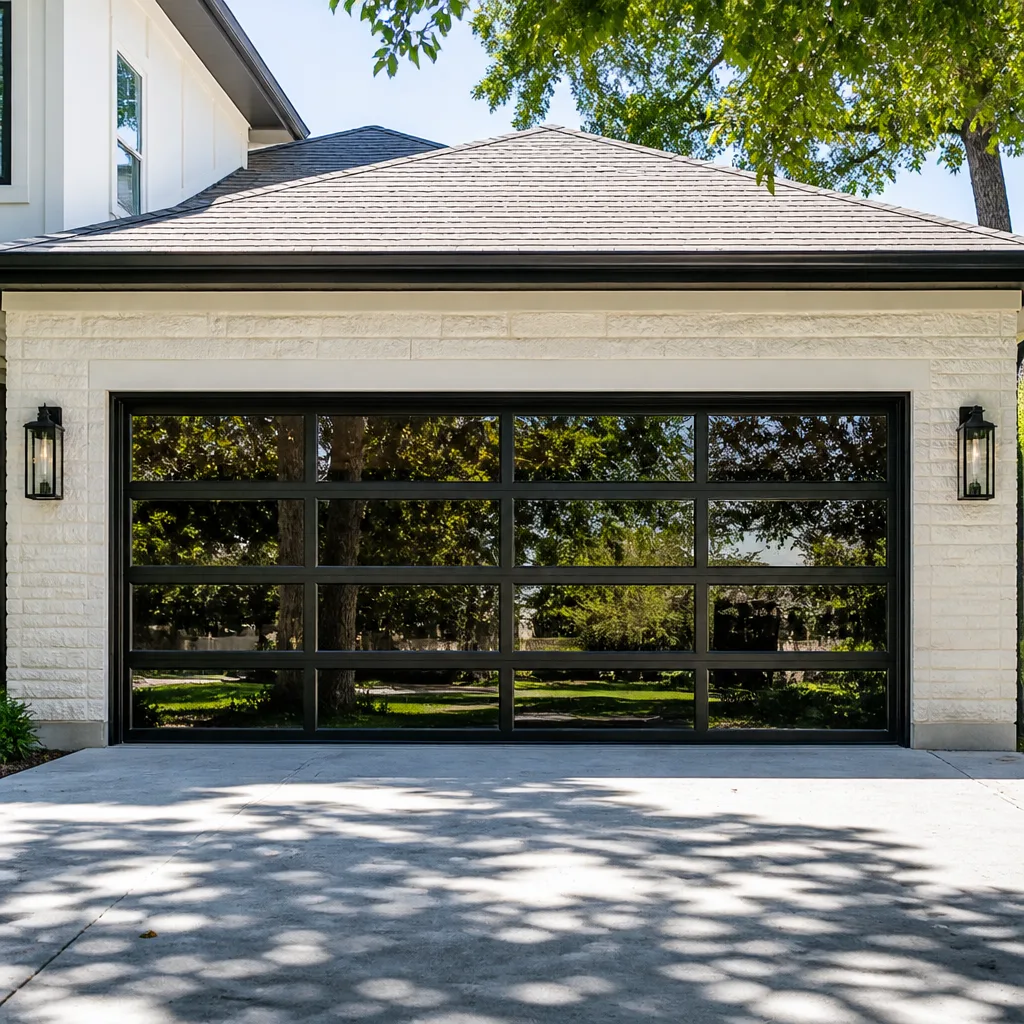 Full-view glass
 LiftMaster openers
 Chamberlain openers
Full 25-point door and opener safety check with every visit - springs, cables, rollers, tracks, and your LiftMaster or Chamberlain opener included
You get a price before we start. It does not change when the pro arrives.
Get your free estimateSeasonal Garage Door Care for Melbourne: Year-Round Homeowner’s Guide
If you’re following a “spring maintenance, fall tune-up” schedule for your Melbourne garage door, you’re doing maintenance during the wrong windows entirely. The real stress points here run June through October, and most homeowners aren’t prepped before they hit. The four-season model was built for places with hard freezes and snow loads. Brevard County doesn’t have either. What it has is a long wet season, a hurricane window that overlaps it, and a dry stretch when the air finally lets up. Each one stresses a garage door in a different way, and each one calls for different work. This guide maps care tasks to the calendar Melbourne actually lives by, so you’re tightening bolts in April instead of discovering a bent track in August.
Quick Answer
Garage door maintenance in Melbourne, FL follows a three-phase calendar, not four seasons: pre-storm prep in April and May, wet-season monitoring from June through September, and dry-season upgrades from November through March. The work that matters most is tightening hardware and testing balance before the first named storm, watching springs, tracks and opener electronics through the humid months, and scheduling replacements and cosmetic work in the dry window. Skip the April prep and the wet season finds every loose bolt for you.
Styles & brands we work with
- Raised-panel steel
- Carriage house
- Modern flush
- Full-view glass
- LiftMaster openers
- Chamberlain openers
Table of Contents
- Why Melbourne’s Calendar Breaks the Standard Maintenance Model
- Pre-Storm Season Prep: What to Tighten, Replace and Test (April – May)
- Wet Season Impact: Springs, Tracks and Opener Electronics (June – September)
- Post-Storm Inspection Protocol: What Damage Looks Like When the Door “Seems Fine”
- Dry Season: The One Window for Upgrades and Replacements (November – March)
- No Freeze-Thaw Cycle: What That Saves You and What It Costs You
- The Melbourne Garage Door Maintenance Checklist, Month by Month
- Brand-Specific Care: LiftMaster, Chamberlain, Craftsman and Raynor
Why Melbourne’s Calendar Breaks the Standard Maintenance Model
Most garage door care advice online was written for a climate with four distinct seasons and a hard winter. That advice assumes the biggest threat to your door is cold: frozen lubricant, brittle springs, ice in the tracks. Melbourne doesn’t deal with any of that. Our winters are mild enough that a garage door never really goes into dormancy, which means the maintenance calendar has to be built around moisture and wind instead of cold.
The local year splits into three phases that each hit the door differently:
- April and May – the calm before the storm window, and your best chance to get ahead of it. Hardware is loose from a year of daily cycling, and there’s still time to fix it.
- June through September – daily humidity swings, afternoon storms, and the peak of hurricane season. This is when springs, tracks and opener circuit boards take the most abuse.
- November through March – lower humidity, fewer storms, and the only stretch where a full replacement or a cosmetic upgrade makes practical sense.
What this means in practice is that the single most valuable maintenance hour you spend all year happens in April, not in spring generically. A door that gets tightened, lubricated and balance-tested in April goes into the wet season in good shape. A door that doesn’t gets its loose bolts and worn rollers amplified by four months of humidity and daily cycling.
We see the difference clearly in our garage door repair calls: the doors that fail in July and August are almost always the ones that got no attention in April and May. It’s rarely a mystery. The warning signs were there for months.
Pre-Storm Season Prep: What to Tighten, Replace and Test (April – May)
April and May are the most important maintenance weeks on the Melbourne calendar. The storm window opens in June, and a garage door that’s loose, unbalanced or running on worn hardware is far more vulnerable to high wind than one that’s tight and properly adjusted. This is the window to fix what you can before the season tests it.
Work through this in order. It’s the same sequence our technicians follow on a pre-season inspection:
- Tighten every hinge and bracket bolt. Daily cycling works these loose over a year. Loose hardware lets panels shift, and shifting panels put stress on the tracks and the opener.
- Inspect and replace worn rollers. Nylon rollers develop flat spots and steel rollers wear at the bearing. Worn rollers make the door run rough and load the opener harder than it should.
- Test the door’s balance. Disconnect the opener and lift the door halfway by hand. A balanced door stays put. One that drifts down or shoots up is out of balance, and that’s a spring or cable issue that needs a trained eye.
- Check the weather seal along the bottom. A hardened or torn bottom seal lets wind-driven rain and debris in, and it’s one of the cheapest things to replace before storm season.
- Test the safety reverse. Put a roll of paper towels under the closing door. It should reverse on contact. If it doesn’t, the opener’s safety system needs attention before you rely on it through the storm months.
- Look at the tracks for bends or separation. Run a hand along each track and check that the sections are tight and aligned. Even a small bend causes the door to bind, and binding leads to bigger problems in humidity.
One thing to be clear about: the springs, cables and the torsion assembly at the top of the door are under extreme tension and are not a homeowner inspection item beyond a visual look. If you see a gap in a spring, a frayed cable or a door that’s hanging unevenly, stop and call a professional. A broken spring isn’t just an inconvenience; it’s a safety hazard that needs a trained hand.
If you’re not comfortable doing the checks above, a professional pre-season tune-up is a reasonable investment. Getting a door inspected properly in April is far cheaper than the emergency call in July. Call (877) 492-2051 for a free estimate and we’ll walk through what your door needs before the season turns.
Wet Season Impact: Springs, Tracks and Opener Electronics (June – September)
June through September is when Melbourne’s humidity does its real work, and it hits three areas of the door differently. Understanding each one helps you catch problems early instead of waiting for a failure.
Springs and tension through the humid months
Steel springs are affected by moisture, and the daily humidity cycle here means they’re cycling between damp and dry every single day. That’s harder on a spring than a steady environment would be. Springs don’t fail because of humidity alone, but the combination of daily cycling, corrosion at the coils, and the normal wear of a door that gets used every day adds up. Watch for a door that feels heavier to lift, rattles more than usual, or won’t stay open. Those are early signs that the spring is losing tension. Don’t try to adjust it yourself. The tension in a torsion spring can cause serious injury, and it’s a job for a technician with the right tools and training.
Track alignment and panel movement
Wood and composite panels absorb moisture and expand slightly. Metal panels don’t, but the hardware around them does shift, and in a wet season that shifting shows up in the tracks. Doors that ran smoothly in May start to bind and scrape by July. Usually it’s a track that’s worked slightly out of alignment or a roller that’s worn. Left alone, that binding puts uneven load on the opener and the springs, and a small alignment issue turns into a bigger repair. A quick visual check of the tracks and listening for scraping or grinding is worth doing every few weeks through the season.
Opener electronics and humidity
Modern openers from LiftMaster and Chamberlain have circuit boards and sensors that don’t love sustained humidity. The most common wet-season complaint we hear is a door that opens fine but refuses to close, or a safety sensor that trips intermittently. That’s often moisture in the sensor lens, debris across the beam, or a board that’s struggling with the damp. Our garage door opener repair calls pick up noticeably in the first humid weeks of June, mostly for exactly this. If your opener is misbehaving during the wet season, it’s usually fixable without replacing the whole unit. Call (877) 492-2051 and we’ll diagnose it.
Post-Storm Inspection Protocol: What Damage Looks Like When the Door “Seems Fine”
High-wind events leave damage that isn’t always obvious. A door can open and close normally and still have a bent track, a stressed spring, a loosened hinge or a panel that’s shifted slightly out of square. The door “seems fine” right up until the next big storm, or until a worn part fails three weeks later. After any significant wind event in Melbourne, run through this inspection even if nothing looks wrong from the driveway.
- Look at the door from several angles. Stand back and check whether the panels sit flat and level. A single panel that’s slightly out of line after wind is a sign the whole assembly took a load.
- Check the tracks on both sides. Look for bends, gaps between track sections, or track that’s pulled away from the frame. High wind can flex a door enough to push the rollers against the track.
- Listen to the door cycle. Run it up and down and listen. New scraping, grinding or a door that hesitates at one point means something has moved.
- Test the balance again. Same disconnect-and-lift test as in April. If the door has gone out of balance since the storm, the springs or cables took the load.
- Check the opener’s safety reverse and sensors. Wind can knock a sensor out of alignment. Confirm the safety reverse works before you trust the door to close on its own.
- Inspect the bottom seal and the frame. Wind-driven rain gets into every gap. A torn seal or water staining around the opening is worth a closer look.
If anything on this list looks off, don’t cycle the door repeatedly trying to figure it out. A door with a bent track or a stressed spring can come off its track and cause injury. Shut it, leave it, and get a professional out to look. Our emergency garage door service exists for exactly this: when a door won’t open or won’t stay closed after a storm, we move fast so you’re not waiting with an open garage. For post-storm damage that isn’t urgent, a standard repair visit works fine, and the estimate is free. Call (877) 492-2051.
Dry Season: The One Window for Upgrades and Replacements (November – March)
Once the humidity drops and the storm window closes, Melbourne gets a stretch from November through March that’s the practical time to schedule anything beyond routine maintenance. That’s not because the door cares about the weather for cosmetic reasons. It’s about scheduling and installation conditions.
The dry season is when the following work makes sense:
- Full door replacement. New doors are measured, ordered and scheduled, not installed same-day. Starting the process in the dry months means you’re not waiting on an order when storm season arrives. If you’re planning a replacement, our garage door installation team can measure and give you a written price. That’s the right first step, not a same-day call.
- Opener upgrades. If your opener is aging or you want a newer unit with a quieter belt drive or smart features, the dry season is when to do it. LiftMaster and Chamberlain both make units that fit the range of doors here.
- Cosmetic work. Repainting, panel repair, and hardware replacement all go more smoothly in lower humidity.
- Spring replacement as preventive work. If your springs are near the end of their life, replacing them in the dry season beats replacing them in a July emergency. A spring price covers one spring. A matched pair is usually replaced together, so a pair costs about twice as much as a single spring range. Our technicians will tell you which you need.
The reason to plan upgrades here rather than in the middle of the wet season is simple: you want the work done before the door is under its heaviest load, not after. A new door or a fresh set of springs installed in December is going into its first storm season in good shape. Schedule the estimate early and the install works around your timeline, not the weather’s.
No Freeze-Thaw Cycle: What That Saves You and What It Costs You
One of the real advantages of Melbourne’s climate is that the door never goes through a hard freeze. That eliminates a lot of the classic garage door problems people in colder climates fight every winter. No frozen lubricant in the tracks. No ice expanding and splitting the bottom seal. No cold-brittle springs cracking under a sudden load. There’s no snow load to worry about, and no freeze-thaw cycle working on concrete and framing around the opening.
But the lack of freeze-thaw doesn’t mean the door gets a free pass. It shifts the wear from cold damage to three other things:
- UV and heat. Long, sunny days and high temperatures are hard on paint, seals and any plastic or composite components. A door that faces the afternoon sun will show sun fading and a dried-out bottom seal sooner than one that’s shaded.
- Panel warping and expansion. Without a cold season to reset, doors that see consistent heat and moisture can warp or shift. Wood panels and some composite doors are more prone to this than steel. If a door starts to stick at one corner, warping is often the cause.
- Constant use. Because there’s no season where the door sits unused, the opener and springs cycle year-round. A door in Melbourne might cycle thousands more times than a door in a colder climate that spends its winter mostly shut. That wear adds up, and it’s why the dry-season service window isn’t optional.
So the maintenance model here isn’t about protecting the door from winter. It’s about protecting a door that works hard all year from heat, moisture and UV. If you’re looking for the Melbourne Garage Door Repair Pros team to walk your door through a seasonal check, call (877) 492-2051.
The Melbourne Garage Door Maintenance Checklist, Month by Month
Here’s the calendar in a single list you can pin to the garage wall. These are the tasks that pay off, mapped to the months they matter.
- April. Tighten hinges and brackets. Inspect and replace worn rollers. Test balance. Test safety reverse. Check the bottom seal and the tracks.
- May. Final pre-storm pass. Confirm the door runs clean and quiet. Clear debris from the track and from around the opener sensors.
- June. First wet-season week: watch for opener sensor issues and a door that binds. Lubricate the moving parts.
- July and August. Visual check of the springs and cables (from a safe distance) for corrosion or gaps. Listen for new noise on every cycle.
- September. Late-season check. Test the safety reverse again. Look at the frames and the bottom seal for water damage.
- October. Post-storm inspection if there were any wind events. Note anything that needs professional attention before the dry season.
- November. Schedule any planned upgrades, replacements or spring work for the dry window.
- December through March. Get the work done. Then do a light monthly check of the tracks, the balance and the opener.
The tasks a homeowner can safely do are the tightening, cleaning, lubricating, seal checks and the balance and safety-reverse tests. Springs, cables, and the torsion assembly are professional work. Don’t let a “quick look” turn into an injury. That’s not caution for its own sake. It’s the actual risk profile of the component.
Brand-Specific Care: LiftMaster, Chamberlain, Craftsman and Raynor
Garage doors and openers aren’t all built the same, and the seasonal care that helps one brand isn’t exactly what another one needs. We work on your brand specifically, not a generic one-size-fits-all routine. Here’s what the differences look like in practice.
LiftMaster and Chamberlain openers are among the most common in Melbourne homes. Both are built around the same core architecture, which means the wet-season issues are usually the same: sensor misalignment, moisture on the safety sensor lens, and older units that get temperamental in sustained humidity. A LiftMaster or Chamberlain opener that won’t close in June is usually a sensor or wiring issue, not a dead unit, and worth a diagnosis before you replace it.
Craftsman openers, many of them older, have their own quirks. The models from the legacy era have different safety sensor setups, and the parts for those systems aren’t always the current standard. If your Craftsman opener is acting up, the fix is often specific to the model year. That’s exactly the kind of brand-specific knowledge our technicians have up to 13 years of experience with.
Raynor doors have their own hardware and track systems, and the pre-season tightening and roller inspection should follow Raynor’s own design rather than a generic checklist. The same is true of doors from Clopay, Amarr and Wayne Dalton. If you’re not sure what brand you have, look at the label inside the door or on the opener. Knowing the brand is the difference between a fix that lasts and a fix that doesn’t.
If you’re not sure what you’re dealing with, or your door is a brand we cover, the right move is a professional check. Call (877) 492-2051 and we’ll take a look. Estimates are free.
Common Mistakes to Avoid
- Treating the calendar like it’s a four-season climate. If you’re doing your tune-up in fall and skipping April, you’re preparing for a winter Melbourne doesn’t have and ignoring the season that actually stresses your door. Shift the prep to April and May.
- Skipping the post-storm inspection because the door “seems fine.” High wind leaves bent tracks and stressed springs that don’t announce themselves. A door can run for weeks on damage from a storm and fail at the worst possible time.
- Doing spring work yourself. Springs, cables and the torsion assembly are under extreme tension, and a mistake can cause serious injury. Another homeowner’s tutorial isn’t a substitute for a trained technician with the right tools.
- Ignoring a door that binds in the wet season. A track that’s out of alignment in July is a spring failure by September. Catch it while it’s still a cheap fix.
- Replacing an opener when a sensor would fix it. A LiftMaster or Chamberlain that won’t close in humid weather is often a lens or alignment issue. Diagnose before you replace.
- Scheduling a full replacement in the middle of storm season. New doors are measured, ordered and scheduled. Starting the process in the dry season means you’re not waiting on delivery when you need the door most.
- Assuming the brand doesn’t matter. Craftsman, Raynor, LiftMaster and Chamberlain each have their own hardware and electronics quirks. A generic fix on a specific brand is how small issues get bigger.
See the difference
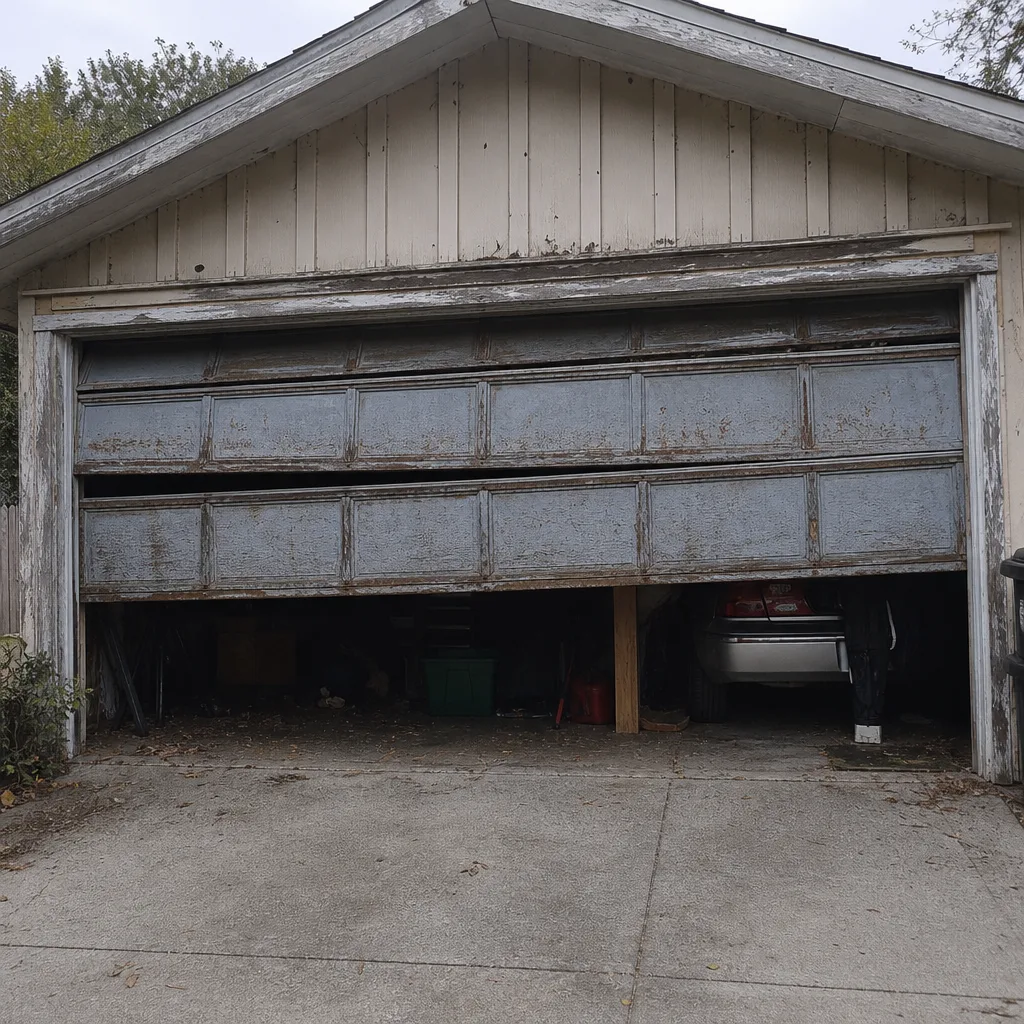 Before
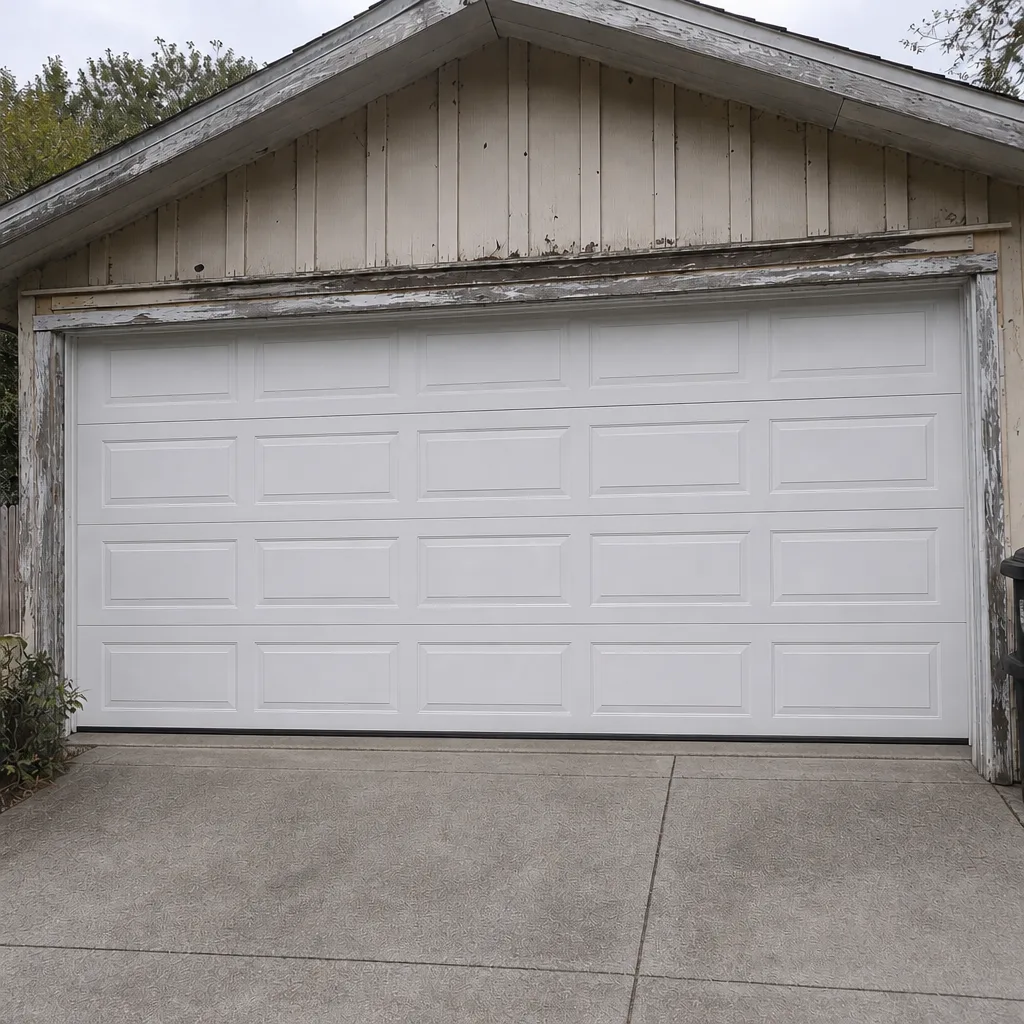 After
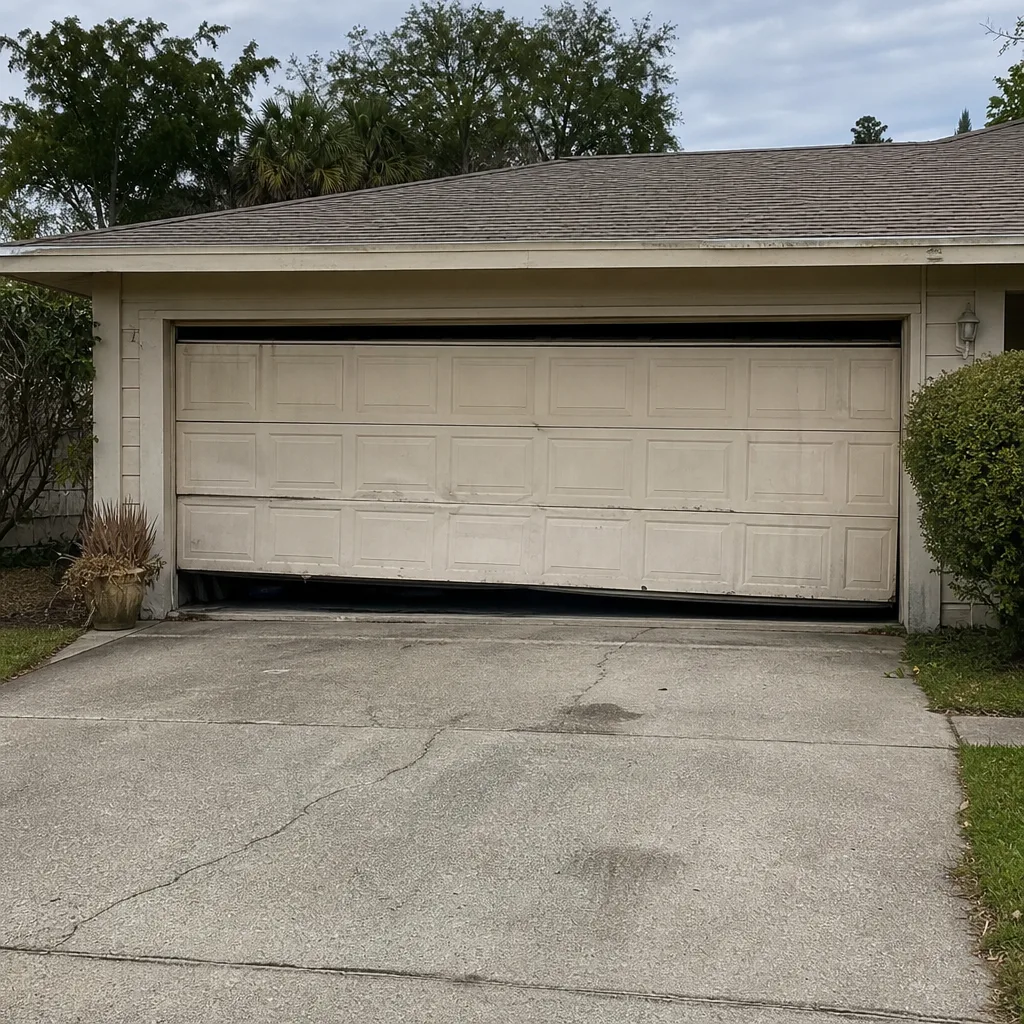 Before
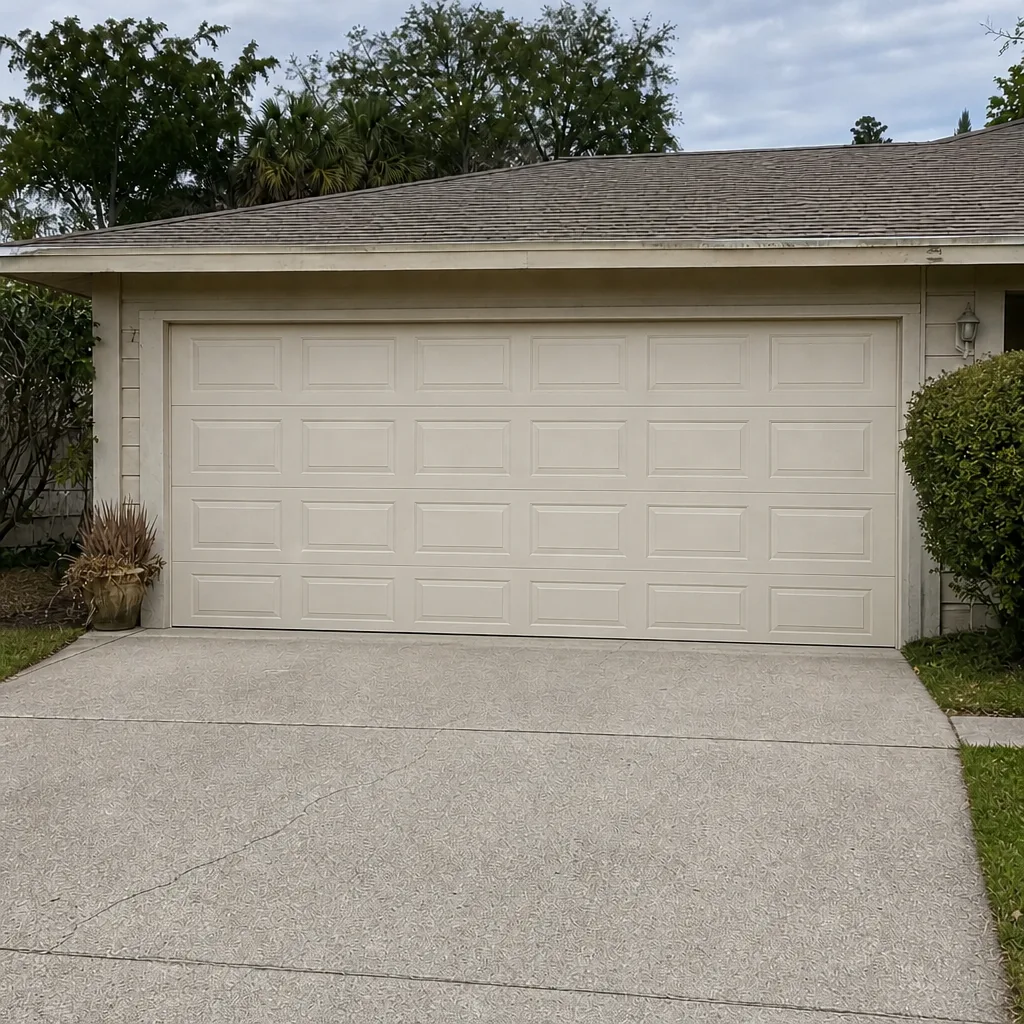 After
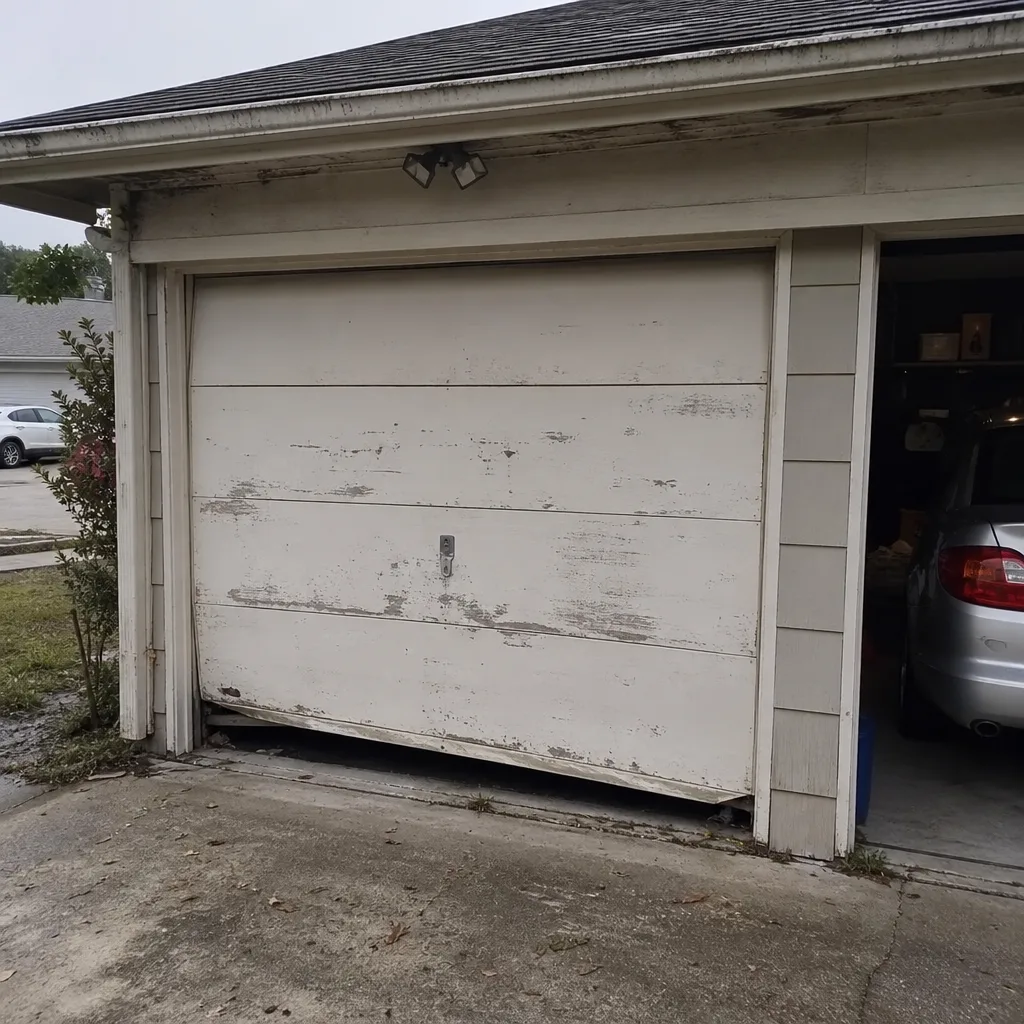 Before
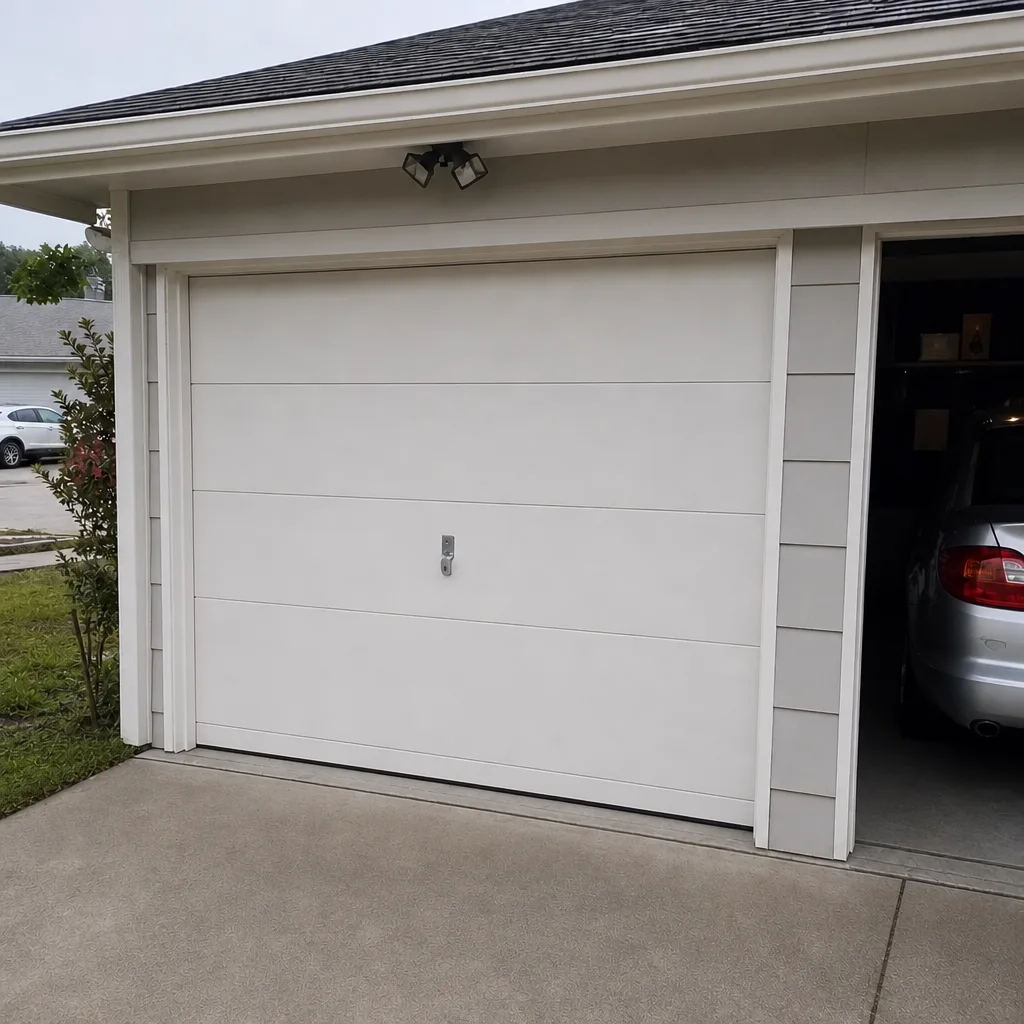 After
When to Call a Professional
Call a professional when the door is out of balance, when a spring is broken or shows a gap, when a cable is frayed, when a track is bent or the door binds, or when the opener won’t reverse on contact. Those are the jobs where the risk of injury or further damage is real. A door that’s hanging unevenly, won’t stay open, or has started making new grinding noises needs a trained eye before it gets cycled again. Spring repair is one of the most technically demanding and safety-sensitive parts of garage door work, and it’s a core service for us, not an upsell. If you’re planning a replacement, a professional measure and written price beats a guess. Melbourne Garage Door Repair Pros offers free estimates in Melbourne. Call (877) 492-2051.
Frequently Asked Questions
A garage door in Melbourne should get a thorough professional service once a year, plus a homeowner check each April before storm season. The annual service covers the springs, cables, rollers and opener; the April check is the tightening and testing you can do safely yourself. In our experience, doors here cycle more throughout the year than doors in colder climates, which makes the annual service more important, not less. Call (877) 492-2051 to book a free estimate.
The dry season, November through March. That’s when humidity is lower and the storm window is closed, so the install goes smoothly and you’re not waiting on an order when the first named storm arrives. Door replacement is measured, ordered and scheduled. It isn’t same-day work, so plan it in the dry window. Call (877) 492-2051 for a free measure and a written price.
The wet season doesn’t damage a door that’s been prepped, but it stresses a door that hasn’t. Humidity works on springs, causes tracks and hardware to shift, and makes opener electronics temperamental. The April prep is what protects the door through June to September. If you skipped it, watch for binding, new noise and a door that won’t close in humid weather. Call (877) 492-2051 and we’ll check it.
Check the panels for levelness from several angles, look at the tracks on both sides for bends or separation, listen for scraping on each cycle, and retest the balance and safety reverse. A door that “seems fine” can still have a bent track or a stressed spring. If anything looks off, don’t keep cycling the door. Call (877) 492-2051 for a free post-storm inspection estimate.
Humidity affects the safety sensors and the circuit board, and a misaligned sensor or a fogged lens will trip the safety reverse and stop the door from closing. That’s a diagnosis and repair issue, not usually a reason to replace the whole opener. Our technicians have up to 13 years of experience with LiftMaster and Chamberlain systems. Call (877) 492-2051.
Yes. A broken spring leaves the door unsafe to operate and can leave you stuck with a door that won’t open or won’t stay closed. Don’t try to lift or cycle the door yourself. A broken spring isn’t just an inconvenience; it’s a safety hazard that needs a trained hand. We offer emergency garage door service for exactly this. Call (877) 492-2051 and we’ll get you scheduled.
It can. Long, sunny days and high heat fade paint, dry out bottom seals and can contribute to panel warping, especially on wood and composite doors. That’s one reason the dry season, when UV is still present but humidity is lower, is the right time for repainting and seal replacement. Our team handles that work alongside repair. Call (877) 492-2051 for an estimate.
No. We quote and agree the price before any work starts, so the written estimate is what you pay. Get the estimate first, approve it, then the work begins. That applies to repairs, spring work, opener fixes and installation. Call (877) 492-2051 for a free estimate.
The Bottom Line
Your Melbourne garage door doesn’t follow the four-season schedule most advice assumes. It follows the wet season, the hurricane window and the dry season, and the care tasks map to those. The biggest payoff comes from the April and May prep: tighten what’s loose, replace what’s worn, test what needs to work when the wind picks up. Then watch the door through June to September for binding, noise and opener issues, inspect it after any wind event even if it seems fine, and use November through March for the upgrades and replacements that make sense to schedule. Our technicians have up to 13 years of experience across the brand range. If you want a free estimate or a pre-season check, call Melbourne Garage Door Repair Pros at (877) 492-2051.
Written by the team at Melbourne Garage Door Repair Pros.