Last updated November 23, 2026
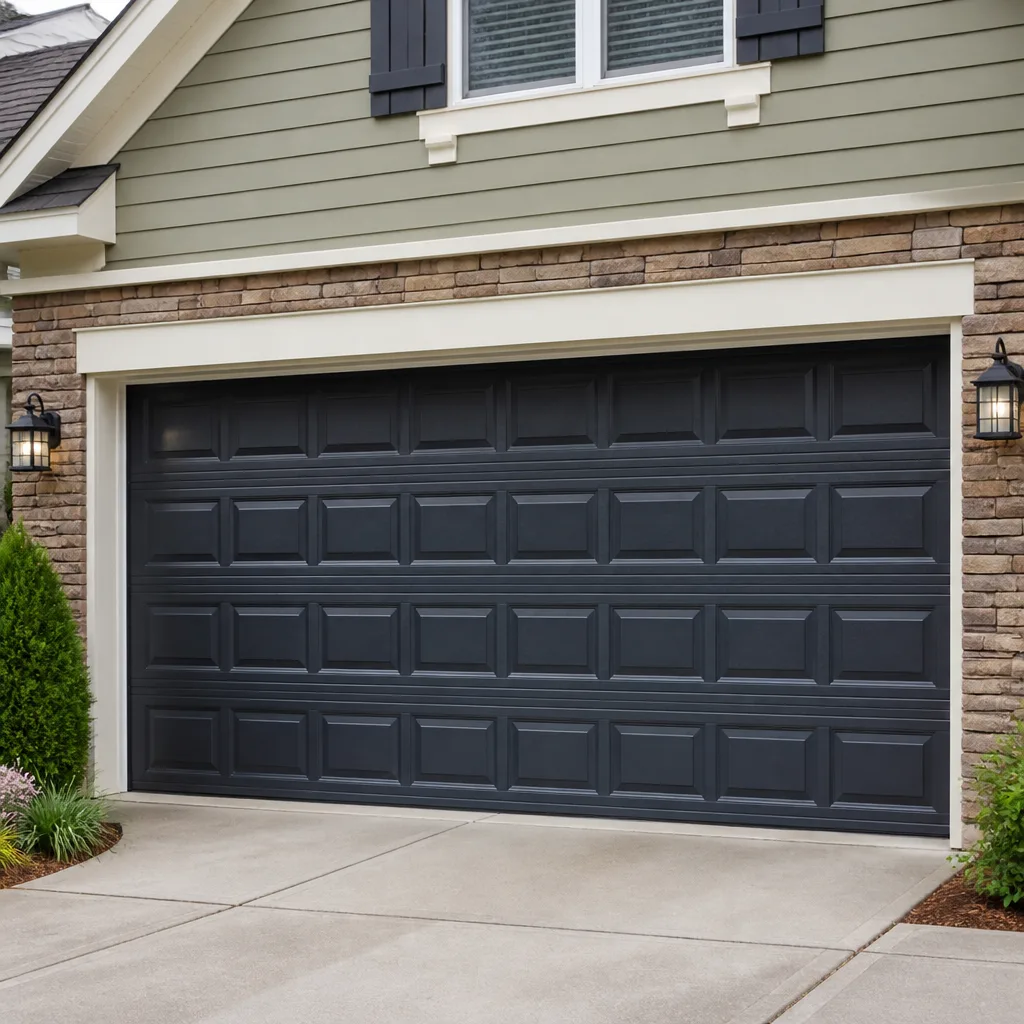 Raised-panel steel
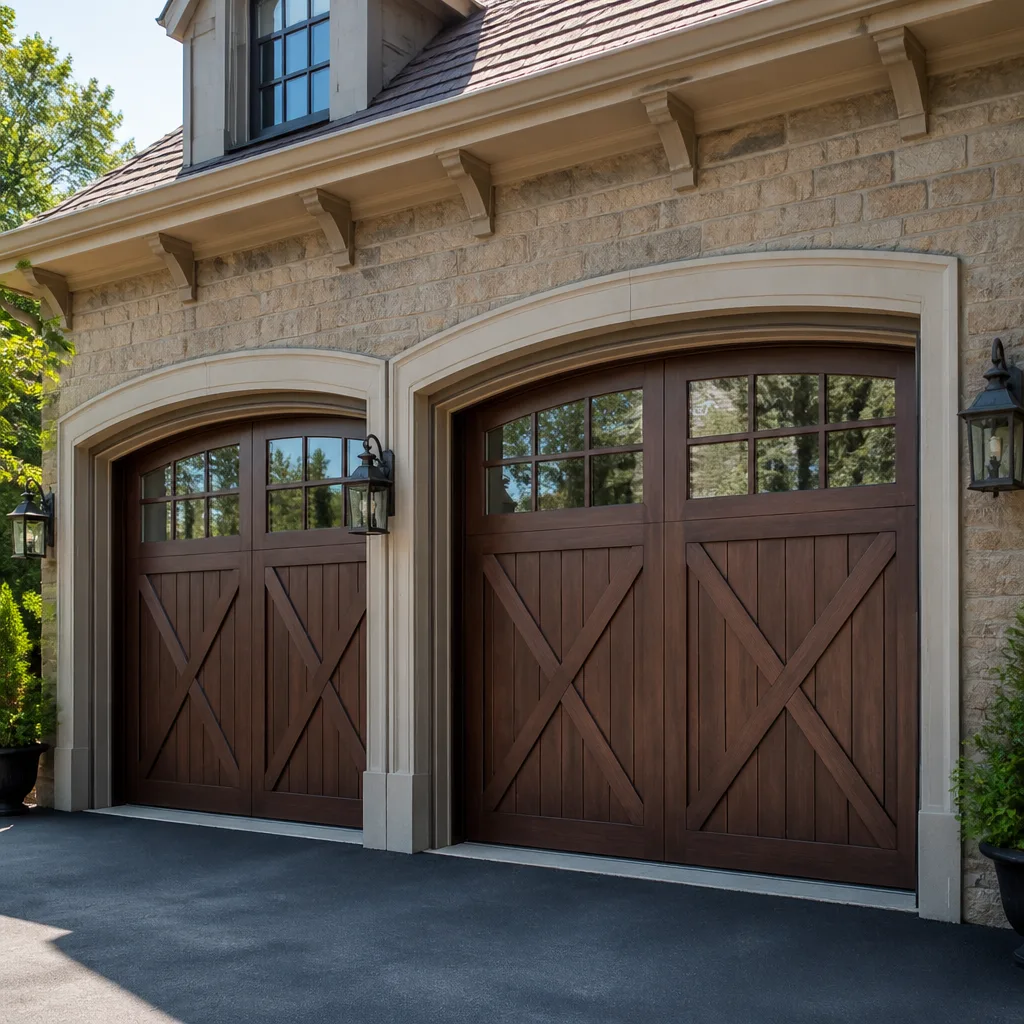 Carriage house
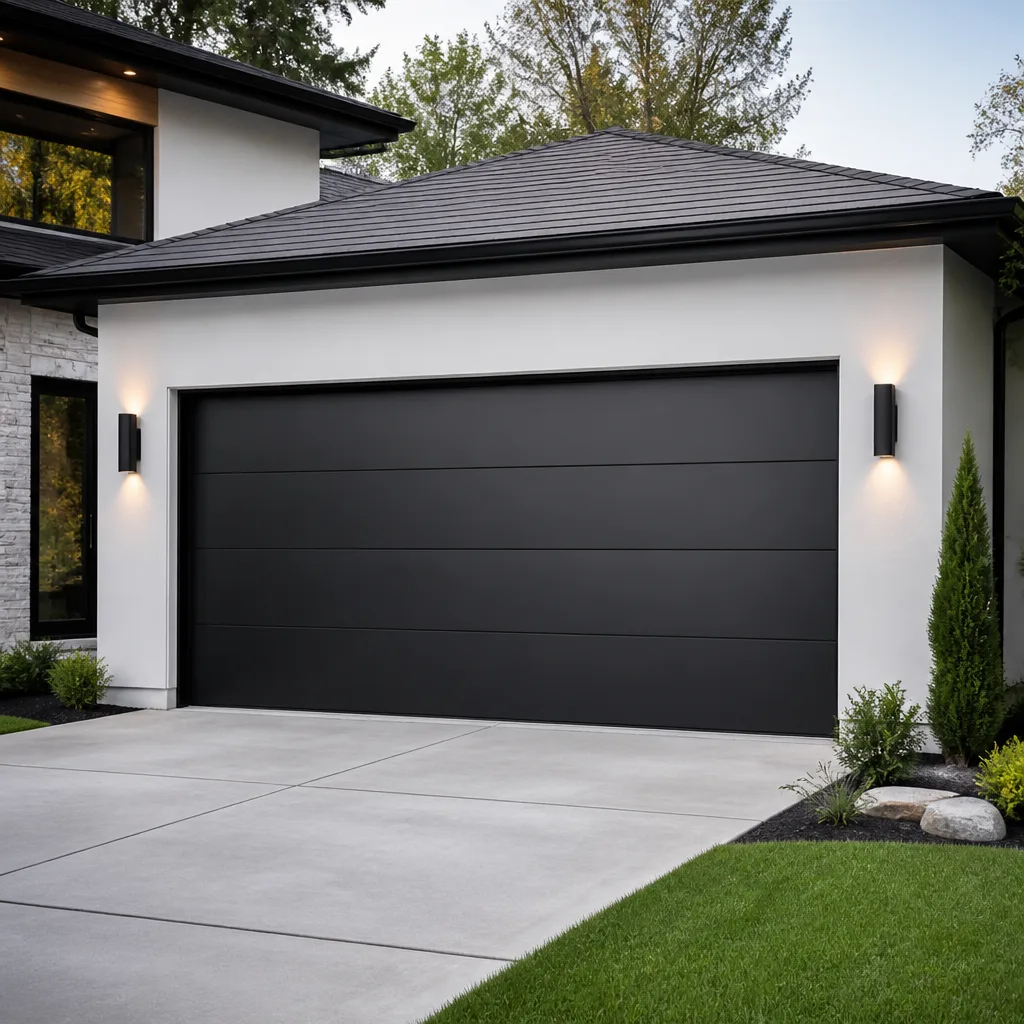 Modern flush
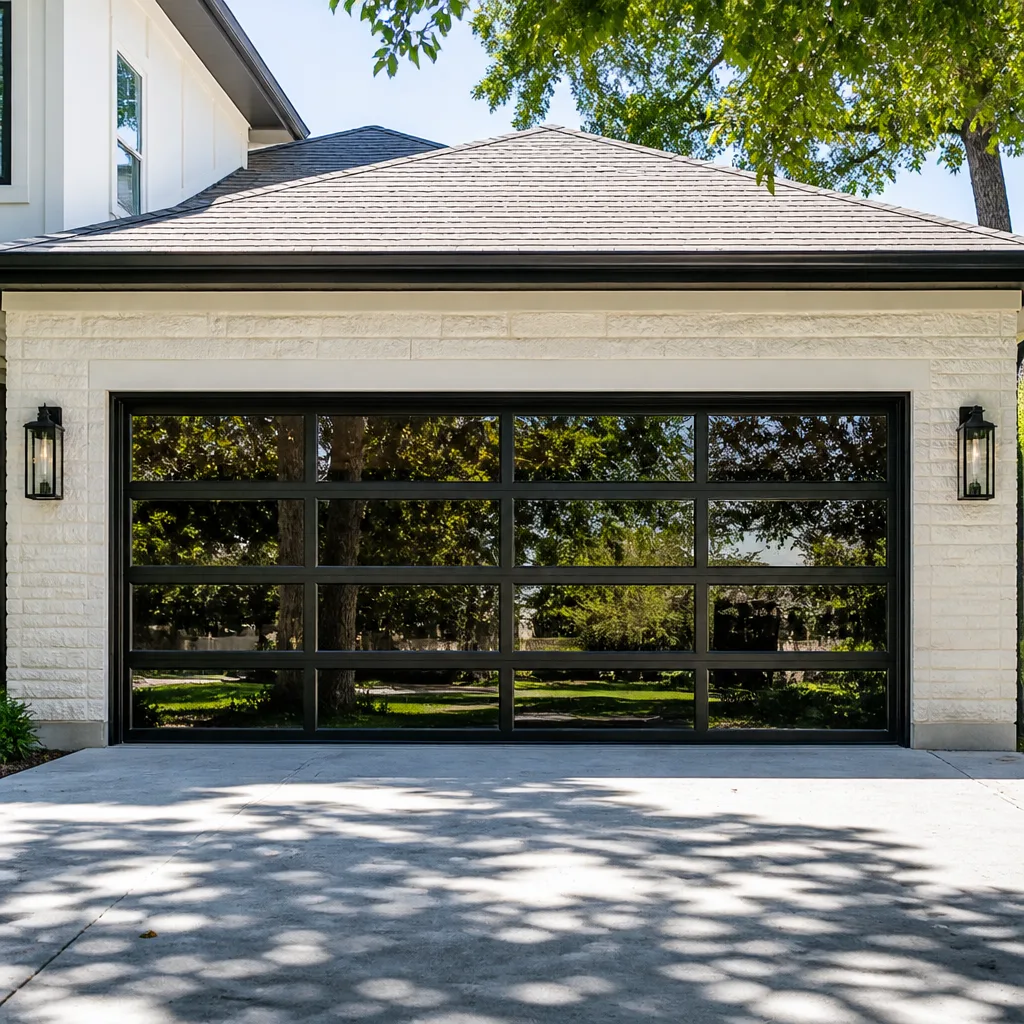 Full-view glass
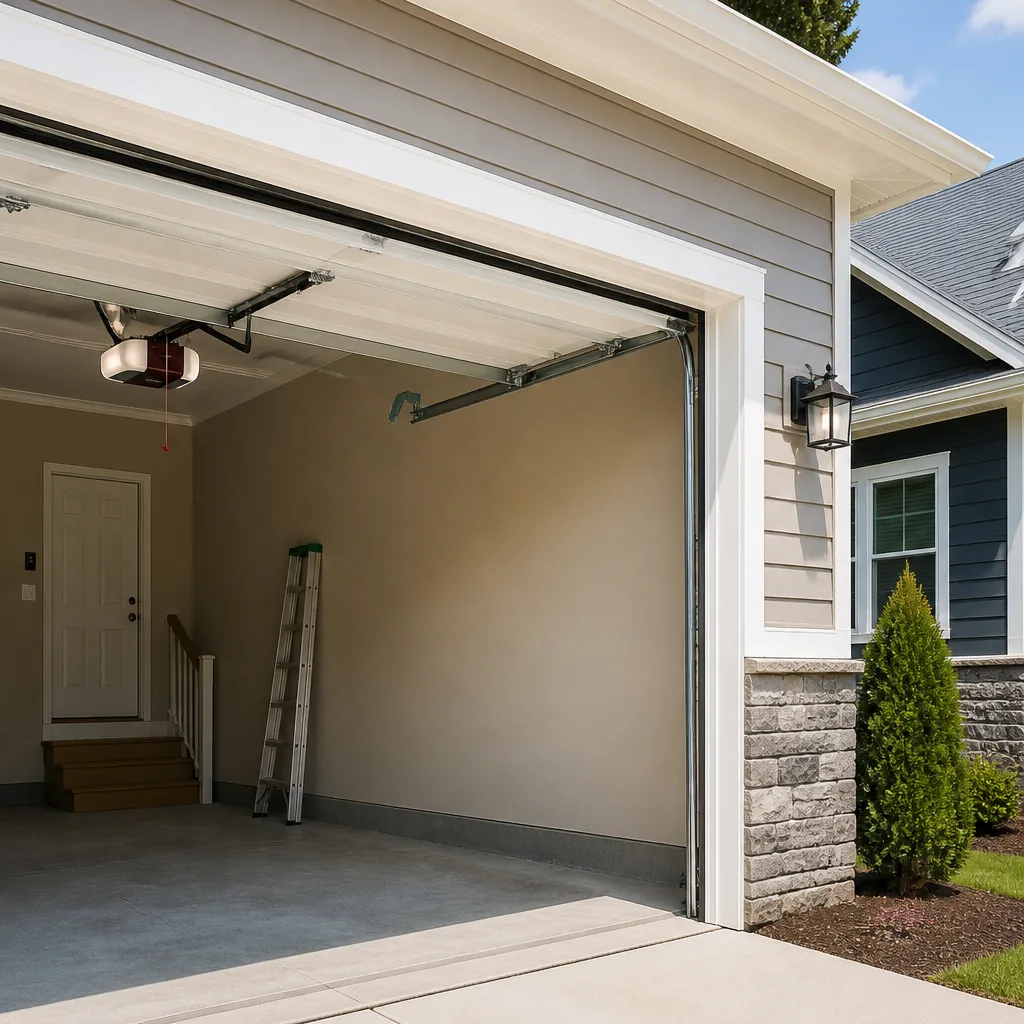 LiftMaster openers
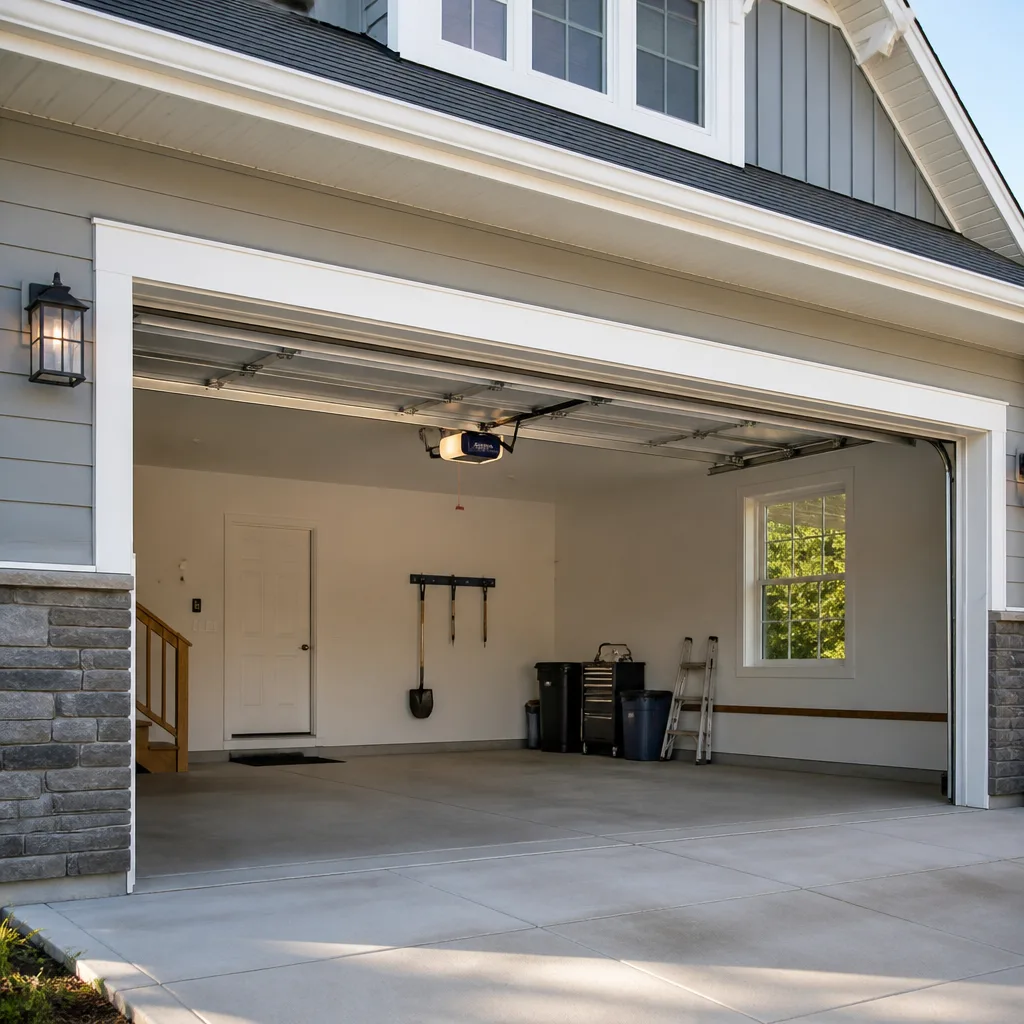 Chamberlain openers
Full 25-point door and opener safety check with every visit - springs, cables, rollers, tracks, and your LiftMaster or Chamberlain opener included
You get a price before we start. It does not change when the pro arrives.
Get your free estimateDIY vs Professional Garage Door: The Melbourne Homeowner’s Decision Guide
Replacing a garage door opener is a reasonable Saturday project in most of the country. Doing the same job in Melbourne, FL on a wind-rated door with cable tension balanced for storm loads is a different animal entirely. The tutorials weren’t filmed with Brevard County wind requirements, home-insurance riders or the sheer stored energy of a torsion system in mind. Our thesis is simple: the DIY versus pro question in Melbourne is a safety and code question first, and a money question second. In this guide we’ll show you exactly which tasks are low-risk and worth doing yourself, which ones are legally restricted or structurally riskier in a hurricane-zone home, and how to decide on a job-by-job basis without guesswork.
Quick Answer
In Melbourne, FL, most cosmetic and maintenance tasks are safe to handle yourself: lubricating hinges and rollers, wiping down panels, adjusting photo-eye alignment, and keeping the track clear. Structural work is not. Torsion springs and high-tension cables store lethal force, and wind-rated door components are tied to local code and your insurance coverage. If the job involves a spring, a cable, opener rewiring or replacing the door itself, call a specialist. Everything below gives you the skill levels, tools and Melbourne-specific risk factors to make that call confidently.
Styles & brands we work with
- Raised-panel steel
- Carriage house
- Modern flush
- Full-view glass
- LiftMaster openers
- Chamberlain openers
Table of Contents
- The Tasks That Are Genuinely Safe to DIY
- Tasks That Are DIY-Able Elsewhere but Restricted or Risky in Florida
- Why Torsion Spring Replacement Is Categorically Different
- Non-Rated Doors, Insurance and Brevard County Code
- Opener Repair and Smart Systems: What You Can Touch
- The Melbourne Decision Matrix
- How a Professional Job Actually Runs
- Working on Melbourne’s Most Common Brands
The Tasks That Are Genuinely Safe to DIY
We want to be clear from the start: some garage door work is completely reasonable to do yourself. We’re not here to scare you off every task. These jobs carry no meaningful injury risk, require no code sign-off, and cost you nothing but time and a rag. If your only concern is a noisy door or a dusty panel, save your money.
Here’s what we’d happily tell a Melbourne neighbor to handle on their own:
- Lubricating moving parts. A garage-door-rated lubricant on hinges, rollers, springs and the track reduces noise and wear. Wipe the old grease off first, apply a light coat, then cycle the door a few times. This is the single best maintenance habit for a door in a humid Florida climate.
- Cleaning panels and tracks. Salt isn’t the concern here, but fine sand and pollen do collect in the wall track. A dry cloth and a shop vacuum keep the rollers from grinding.
- Balancing a crooked photo-eye. If the door reverses for no reason, the safety sensors may be misaligned or blocked. Straightening the bracket and clearing spider webs is a two-minute fix.
- Wiping the opener receiver and testing remotes. Replacing batteries and re-pairing a remote is straightforward.
- Clearing debris from the door’s path. Leaves, tools and kids’ toys trigger safety reversals. A quick sweep prevents a call-out.
If you can finish the job standing on the floor with your feet flat, you’re probably in the safe zone. The moment the job requires you to work overhead near a loaded spring, disarm a mechanism or lift a door panel, the math changes. Our Melbourne Garage Door Repair Pros main page outlines the full scope of what we handle when you’d rather leave it to a trained hand.
Tasks That Are DIY-Able Elsewhere but Restricted or Risky in Florida
This is where Melbourne homeowners get caught out. In many states, you can buy a replacement door off a shelf and hang it yourself with a few YouTube videos. In Florida’s wind-borne debris regions, the same door is part of a building envelope system regulated for storm resistance, and the components you can’t safely substitute are exactly the ones that hold that system together.
Three specific categories stand out:
- Replacing the door itself with a non-rated unit. If your home is in a wind-borne debris region, a rated door isn’t optional decoration. Swapping in a cheaper unrated door can create a code problem and affect how your insurer views storm damage claims.
- Modifying reinforced hinges, struts or reinforced hardware. Wind-rated doors use heavier reinforcement. Swapping hardware, removing struts or adding an opener bracket differently can compromise the door’s rated performance.
- Rewiring or adding a new opener circuit. Electrical work behind the wall is a permit and code question in most Florida jurisdictions. A licensed pro handles the electrical side properly.
Residential garage door replacements typically require a permit in Brevard County. If you’re unsure, call the City of Melbourne building department directly; they’ll tell you what a specific address needs. Our garage door installation team knows what a rated door looks like versus a standard unit and can tell you which one your address requires. Our technicians have up to 13 years of experience, so we’ve seen the difference a properly spec’d door makes over its life.
Why Torsion Spring Replacement Is Categorically Different
Most home repair advice is about risk and reward. Spring work is different: it’s about physics. A torsion spring is a compressed coil of steel under enormous winding tension. When it fails, that energy releases instantly. It isn’t a slow pop; it’s a violent snap. Garage door professionals treat spring replacement as one of the most dangerous routine jobs in residential service, and that’s why we offer it as a core service rather than an add-on.
The spring is the counterweight for the whole door. Without a functioning spring, the door becomes a lever arm of hundreds of pounds, which is why a failed spring door should never be forced open or left to slam shut. We won’t publish step-by-step winding instructions. Anyone who does is giving you a way to lose fingers or worse.
What we will tell you is how to spot a spring that’s failing so you know when to call:
- A loud bang from the garage, usually followed by a door that won’t lift.
- A visible gap in the coil of the torsion spring above the door, or a stretched extension spring near the sides.
- The door feels much heavier to lift manually (test only with the door in the down position and the opener disengaged, carefully).
- A crooked lift or a door that seems to pull to one side.
If any of those show up, stop using the door. Our garage door repair team handles spring jobs as a routine call, and we’ll explain what failed and why before any work starts. We’ve seen too many Melbourne homes where a homeowner tried to “just replace the spring” and ended up with a bent door, a bent track and a larger bill than if they’d called first. That’s the real cost of DIY on a loaded spring.
Non-Rated Doors, Insurance and Brevard County Code
Here’s the part most DIY guides skip: your garage door isn’t just a door. In a hurricane-zone home, it’s a designated part of the wind-resistance system. Replacing a rated door with an unrated unit or removing rated hardware can affect how your homeowner’s insurance views a storm-damage claim. The change doesn’t have to be intentional to cause a problem; the replacement just has to be the wrong spec for the opening.
Three things to check before you buy or install anything in Melbourne:
- Whether your address is in a wind-borne debris region. The City of Melbourne building department is the authority here; ask for the specific property.
- Whether the door you’re looking at carries the rating required for that opening. Your insurer and the door’s product data sheet will confirm it.
- Whether a permit is required for the installation. It usually is. Unpermitted work can complicate a later sale or a claim.
We don’t provide code advice. We install doors that match the address, and we tell homeowners to verify with their insurer and the building department that the specification is right. If your current door is older, unrated or showing damage from years of humidity and sun exposure, a replacement is often the right call; it’s just the kind of replacement that matters. A good rule of thumb: if a contractor offers to install “the same door as your neighbor has” without measuring the opening, checking the rating for your address or pulling a permit, that’s a warning sign. The door that’s right for one Melbourne home is not automatically right for another.
Opener Repair and Smart Systems: What You Can Touch
Openers are more forgiving than springs, but the line still exists. The low-voltage side is fair game for a handy homeowner. The high-voltage side, the circuit board and anything involving the wall wiring is a pro job.
Here’s the practical split:
- DIY-friendly: replacing remote batteries, re-pairing remotes, reconnecting the wall button, adjusting force limits via the opener’s manual, cleaning the photo-eye lenses, checking the safety reversal by placing a board in the path.
- Call a pro: an opener that hums but won’t lift, a circuit board failure, a new opener install, wiring the opener into the household circuit, converting an older system to a modern smart-drive unit.
We work on both legacy openers and modern smart-drive systems across the major brands, and the diagnosis differs by brand. A LiftMaster logic board failure shows up differently than a Genie’s drive fault or a Craftsman’s travel-limit issue, and having worked on each system countless times means we don’t guess. Our garage door opener repair page covers the brand-specific details. If your opener’s symptom is “nothing happens,” the safety sensor is the first thing we check. If it’s “the door goes up a foot and reverses,” the travel limit is the likely culprit. Those are the kinds of things a homeowner can diagnose and, sometimes, fix without a call.
The Melbourne Decision Matrix
This is the section most DIY guides skip, which is why you end up uncertain anyway. Here’s a job-by-job breakdown of skill level, tools required and the Melbourne-specific risk that should tip you toward a professional.
| Job | DIY Skill Level | Tools Needed | Melbourne-Specific Risk | Verdict |
|---|---|---|---|---|
| Lubricate hinges, springs, rollers | Beginner | Lubricant, rag | Low. Humidity accelerates wear; regular lube helps. | DIY |
| Clean panels and tracks | Beginner | Cloth, vacuum | Low. | DIY |
| Align photo-eye sensors | Beginner | None | Low. | DIY |
| Re-pair remote | Beginner | Opener manual | Low. | DIY |
| Adjust opener force/travel limits | Intermediate | Manual, screwdriver | Low, but wrong settings strain springs. | DIY with care |
| Replace a torsion spring | Not DIY | Winding bars, specialty tools | High injury risk. Lethal stored energy. | Professional |
| Replace a high-tension cable | Not DIY | Specialty tools | High injury risk. | Professional |
| Replace an opener | Advanced | Electrical, hardware, manual | Wiring may require permit. | Professional |
| Replace the door (non-rated) | Advanced | Panel-lift help, tools | May violate wind-borne debris code; insurance risk. | Professional |
| Replace the door (wind-rated) | Not DIY | Permit, rated hardware, rated door | Code and insurance implications for the address. | Professional |
| Off-track door reset | Not DIY | Specialty tools, two people minimum | Door can drop; injury risk. | Professional |
If you’re not sure which row you’re on, the job is probably above the line. A quick call is cheaper than a mistake. Note that a great many honestly DIY-able tasks are on the top rows; we’d rather you keep those than pay for a call-out that doesn’t need one.
How a Professional Job Actually Runs
For the jobs that belong on the professional side, here’s what happens step by step, so there’s no mystery when you call. This is general, present-tense expectation, not a specific job we did.
- Phone triage. You describe the symptom. Our team asks whether the door is stuck, slow, loud or won’t lift. That tells us whether to prioritize a spring, opener or sensor.
- On-site diagnosis. A technician checks the door balance, spring condition, cables, tracks, rollers and opener function. Spring tension is measured, not eyeballed.
- Written estimate. The price for the repair or replacement is quoted and agreed before any work starts. Nothing is billed beyond the quote without your approval.
- Repair or install. Springs, cables, openers and hardware are replaced by the trained specialist. If a permit or rated-door spec is required, we flag it before proceeding.
- Balance and safety check. The door is cycled, the safety reversal tested, and the force limits set to the door’s mass.
- Clean-up and handoff. Old parts are removed, the work area is cleared, and you get a simple explanation of what was replaced and any follow-up maintenance worth doing.
For spring work and emergencies, timing gets compressed. A broken spring left sitting doesn’t fix itself, and a door stuck open exposes the home. Spring repair is our core specialty because it’s both the most common serious failure and the most dangerous one to attempt yourself. If a door fails outside our normal hours, call and we’ll book the work as soon as we can get to it. We don’t promise exact arrival times; we do promise that the price is quoted and agreed before any work starts.
Working on Melbourne’s Most Common Brands
Here’s a fact that surprises a lot of homeowners: brand matters. A door and opener system isn’t a generic appliance, and a technician who works on one or two brands misses the quirks of the rest. We work on the brands that dominate Melbourne garages, and that changes the diagnosis.
- LiftMaster and Chamberlain share circuitry but not always the same logic-board fault patterns; a display code on one doesn’t always mean the same thing on the other.
- Genie openers use different drive and travel-limit systems than the others, and their symptom patterns show up differently.
- Craftsman openers, still common on older Melbourne homes, have their own remote pairing methods and board behavior.
- Amarr, Wayne Dalton, Clopay and Raynor doors carry different panel weights, hinge patterns and hardware for the same visual style, which matters for repair and installation both.
Brand familiarity also matters for installation. A door from Amarr or Raynor needs hardware matched to its panels, and the reinforcement for a rated installation is specific to the door. If you’re replacing a door spec’d by a previous owner, knowing which brand it is tells us which replacement parts are compatible. Our technicians have up to 13 years of experience across these systems, which is why we can diagnose the brand-specific quirk rather than just the generic symptom.
Common Mistakes to Avoid
- Testing a spring with the door up manually. Leave the door in the down position when you check a spring, and don’t stand beneath the spring while it moves. The failure happens when energy releases.
- Forcing a door that won’t lift. A door that resists has a reason, usually a failed spring or a binding track. Forcing it bends panels and can cause a sudden drop.
- Buying an off-the-shelf door without checking the address’s rating. In Melbourne’s wind-borne debris regions, the door must match the opening’s specification. Ask the city building department first.
- Skipping the permit for a replacement. Unpermitted installations can complicate insurance, resale and later claims. Pull the permit or ensure the installer does.
- Turning up force limits to compensate for a failing spring. The opener isn’t the problem; the spring is. Increasing force just hides the fault and stresses every part of the door.
- Trying to re-hang an off-track door alone. A door off its tracks can drop. This one needs two trained people and the right tools.
- Ignoring a slow or loud door. A door that behaves differently than it did last year is telling you something. Early attention is cheaper than a failure.
See the difference
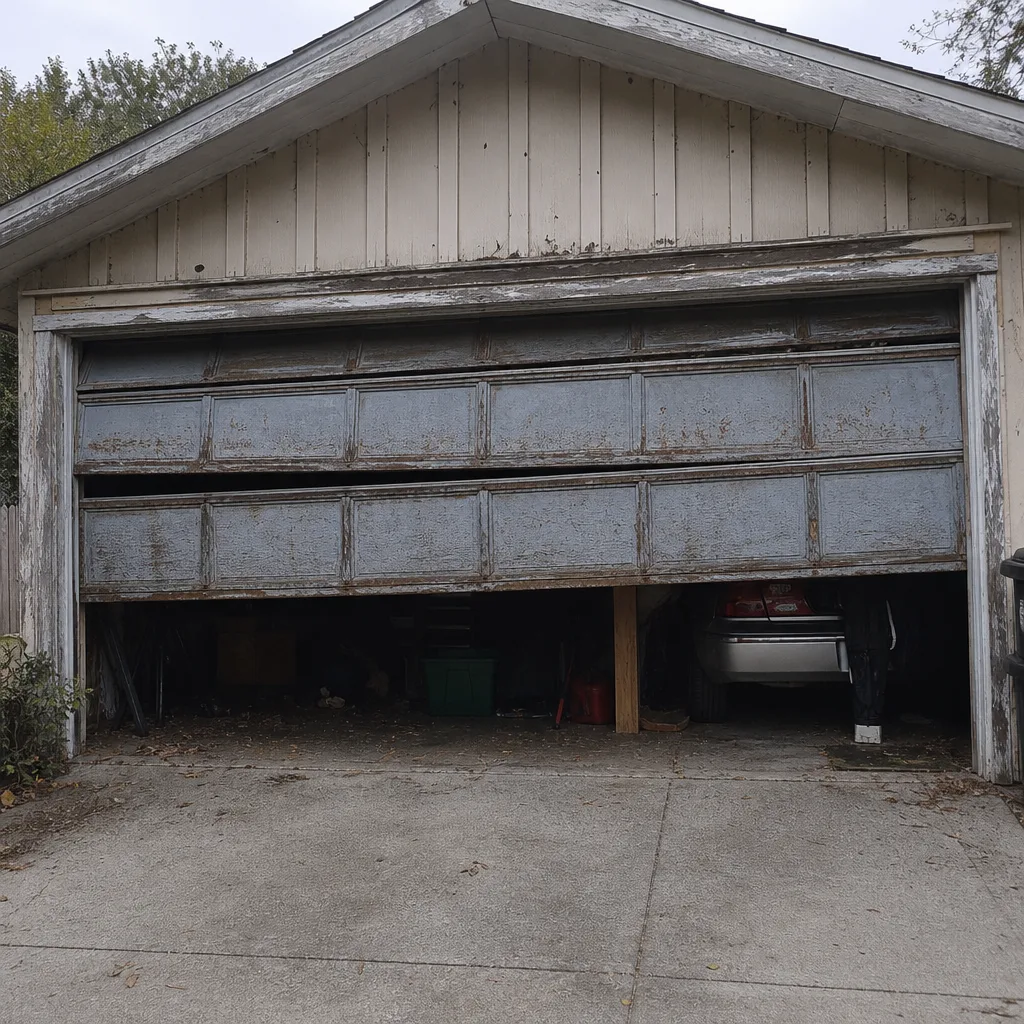 Before
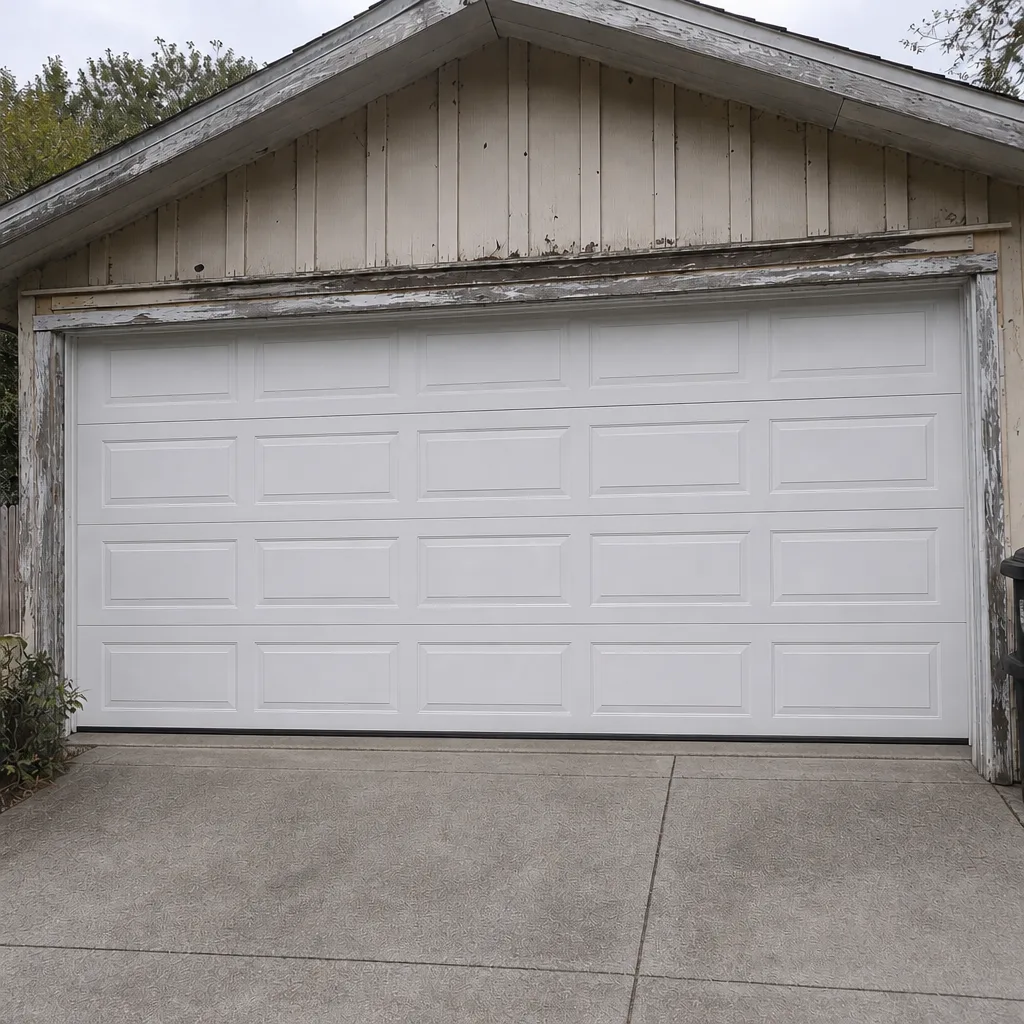 After
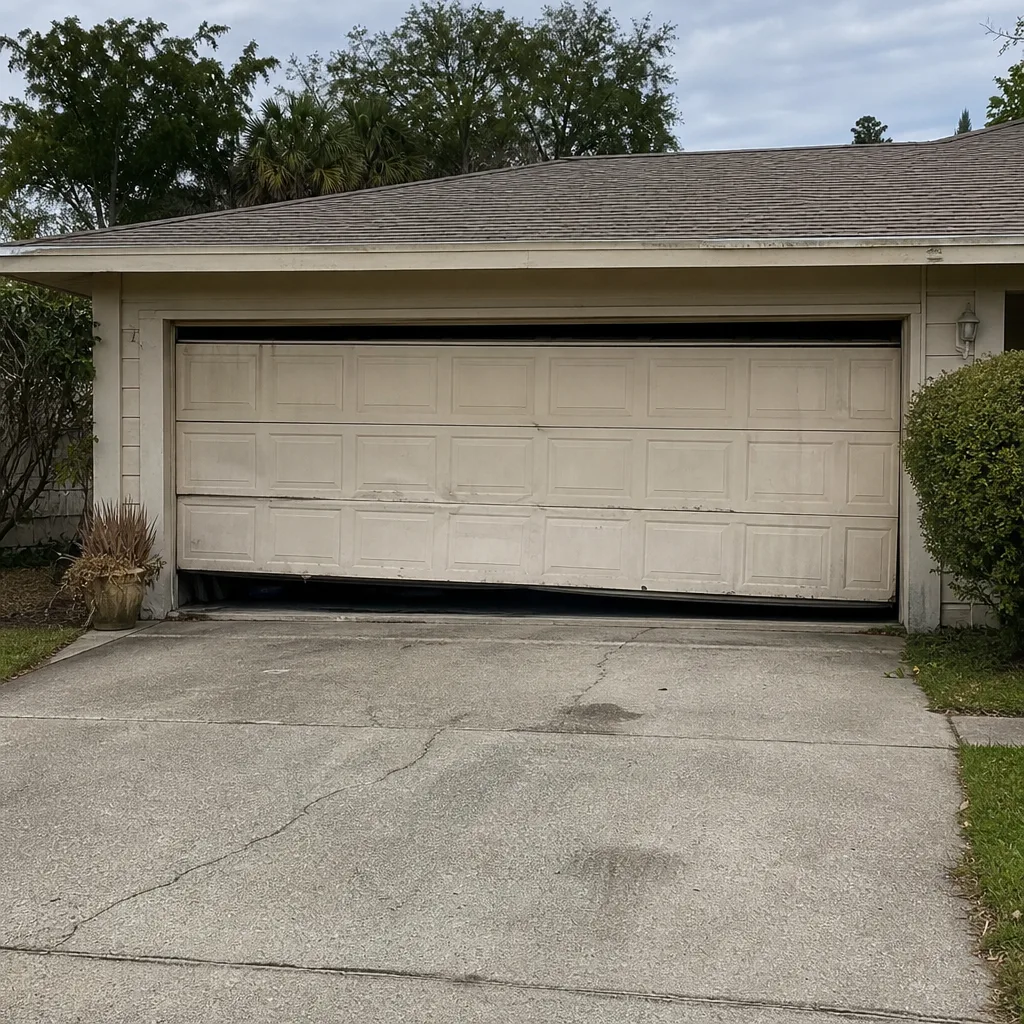 Before
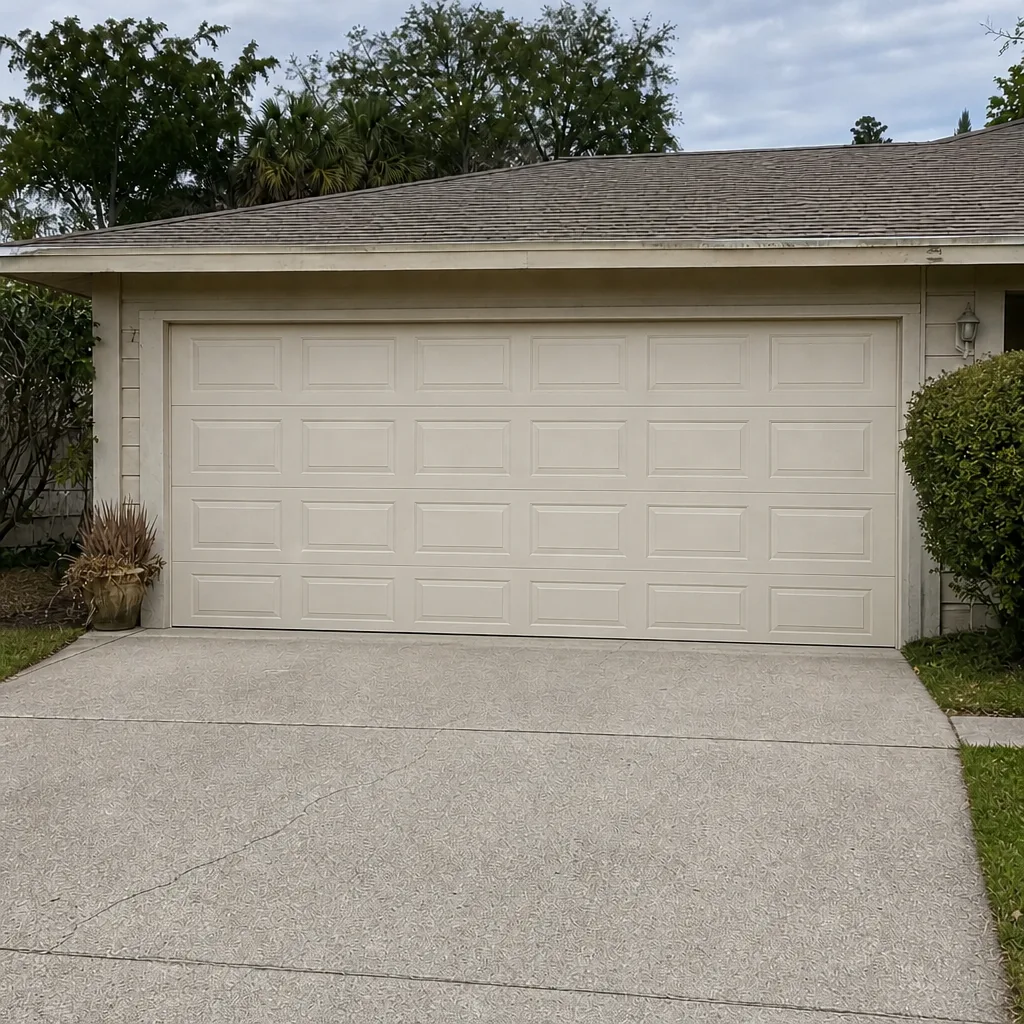 After
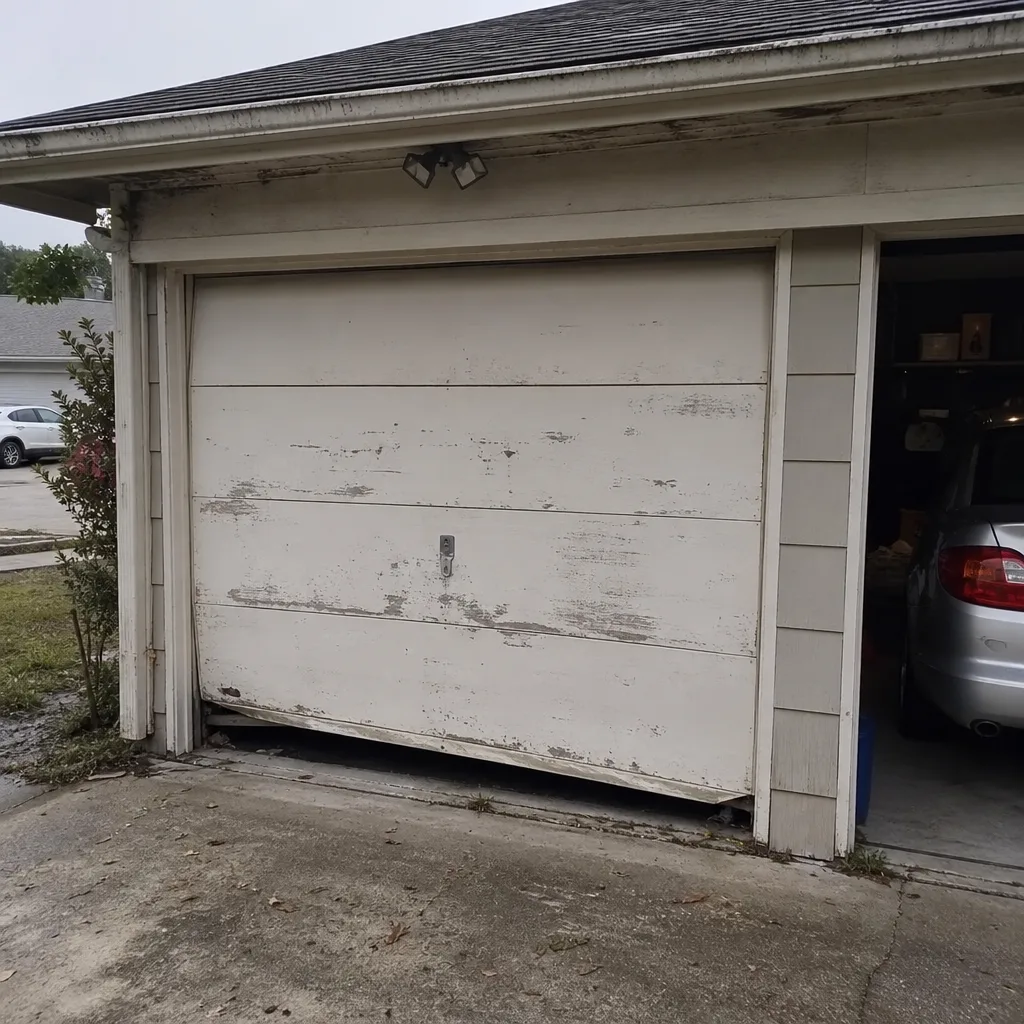 Before
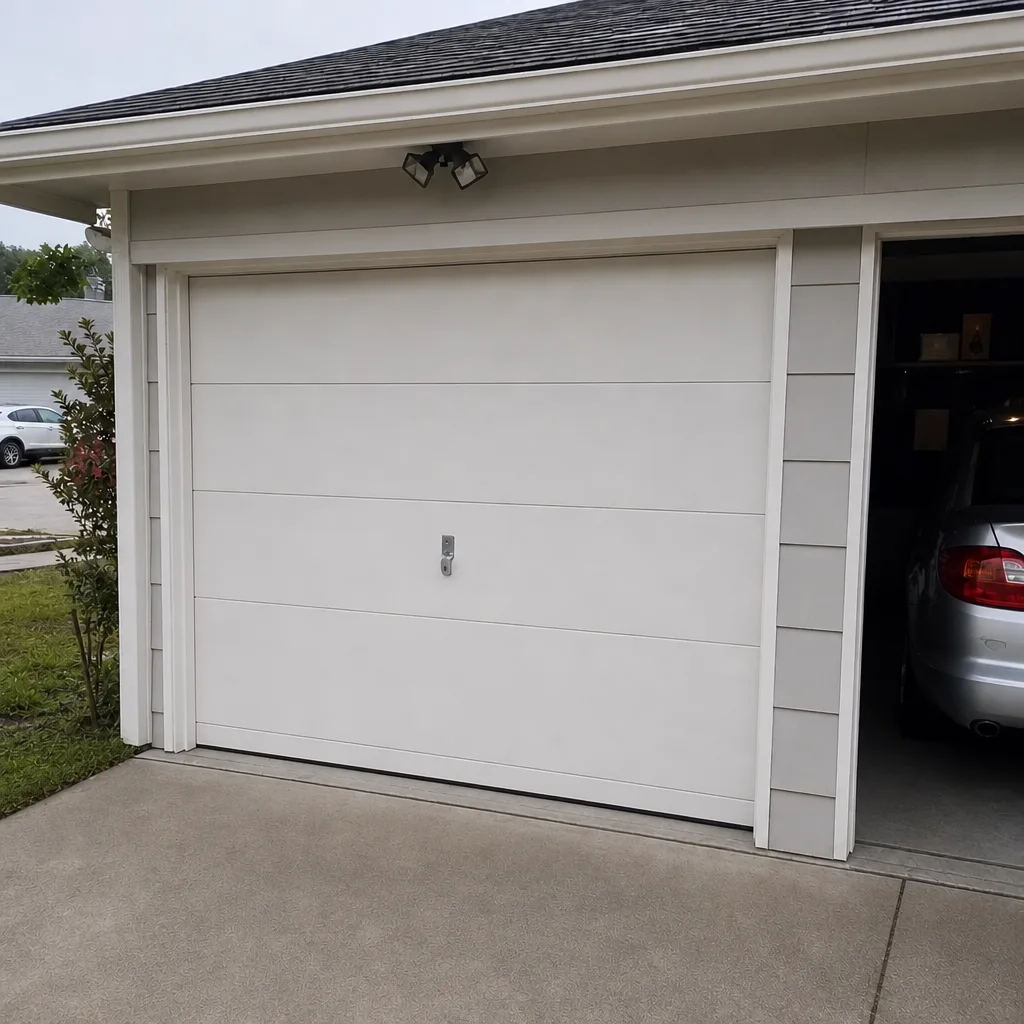 After
When to Call a Professional
Call a professional in Melbourne when the job involves a spring, a high-tension cable, opener wiring, an off-track door or a full replacement. Call if your door has started behaving differently over the last few weeks; a slow lift or a loud bang often means a spring at the end of its life. Call if the door sits open and won’t stay down, if the opener runs without moving the door, or if you’re unsure whether the job crosses the DIY line. Call if your door is older and you don’t know whether it’s rated, because the answer matters for insurance. Finally, call if a door is your commute’s critical path and you can’t afford a temporary failure; our free estimates, upfront pricing and same-day service for repairs mean the door is back on schedule faster. Melbourne Garage Door Repair Pros offers free estimates in Melbourne; call (877) 492-2051.
Frequently Asked Questions
No. A torsion spring is under enormous stored tension and can cause serious injury the moment it releases; this is the one garage door repair where DIY is genuinely dangerous. A trained technician uses specific tools, safety procedures and tension measurements to get it right. If your spring has failed, don’t force the door; call us at (877) 492-2051 for a free estimate.
Residential garage door replacement usually requires a permit in Brevard County. Whether the door must be wind-rated depends on your address and whether it’s in a wind-borne debris region. Your city building department is the authority. We install rated doors matched to the opening and will pull permits where required; call us if you’re unsure what your home needs.
If the door won’t close, secure the opening with a temporary barrier or keep it under watch, and call for emergency service. Forcing a stuck door risks a drop or further damage. We offer dedicated emergency garage door service, so call (877) 492-2051 and we’ll book the work as soon as we can.
They can if they involve replacing rated components or installing an unrated door. Your insurer can tell you how your policy treats modifications to the garage door envelope. We work with your insurer’s requirements and quote the work at the right spec for your address; call us and we’ll explain what a rated installation looks like.
Lubrication, cleaning, photo-eye alignment, remote re-pairing and testing the safety reversal are all safe and worth doing yourself. Adjusting force limits in an opener’s manual is also reasonable with care. Anything involving springs, cables, wiring or the door itself should be handled by a professional; call if you’re not sure which list a job is on.
We quote and agree to a written price before any work starts, including spring repairs and opener replacements; the quoted price is the price. Estimates are free; call (877) 492-2051 for an exact quote for your door. If the on-site inspection reveals something the phone triage couldn’t see, we’ll explain it and give you a new quote before touching the door.
The Bottom Line
In Melbourne, the DIY versus pro question isn’t close to a money-only decision. It’s a safety and code question. Lubricate your hinges, clear the track, align the sensors; those are real DIY wins that keep your door running. Springs, cables, opener wiring, off-track doors and any replacement that touches wind-rated components are jobs for a trained specialist, and the risk of DIY on those is more than a bent panel. Our technicians have up to 13 years of experience, and we work on the brands most common in Melbourne garages. Call us when you’re not sure where the line is.
Written by the team at Melbourne Garage Door Repair Pros.