Last updated November 23, 2026
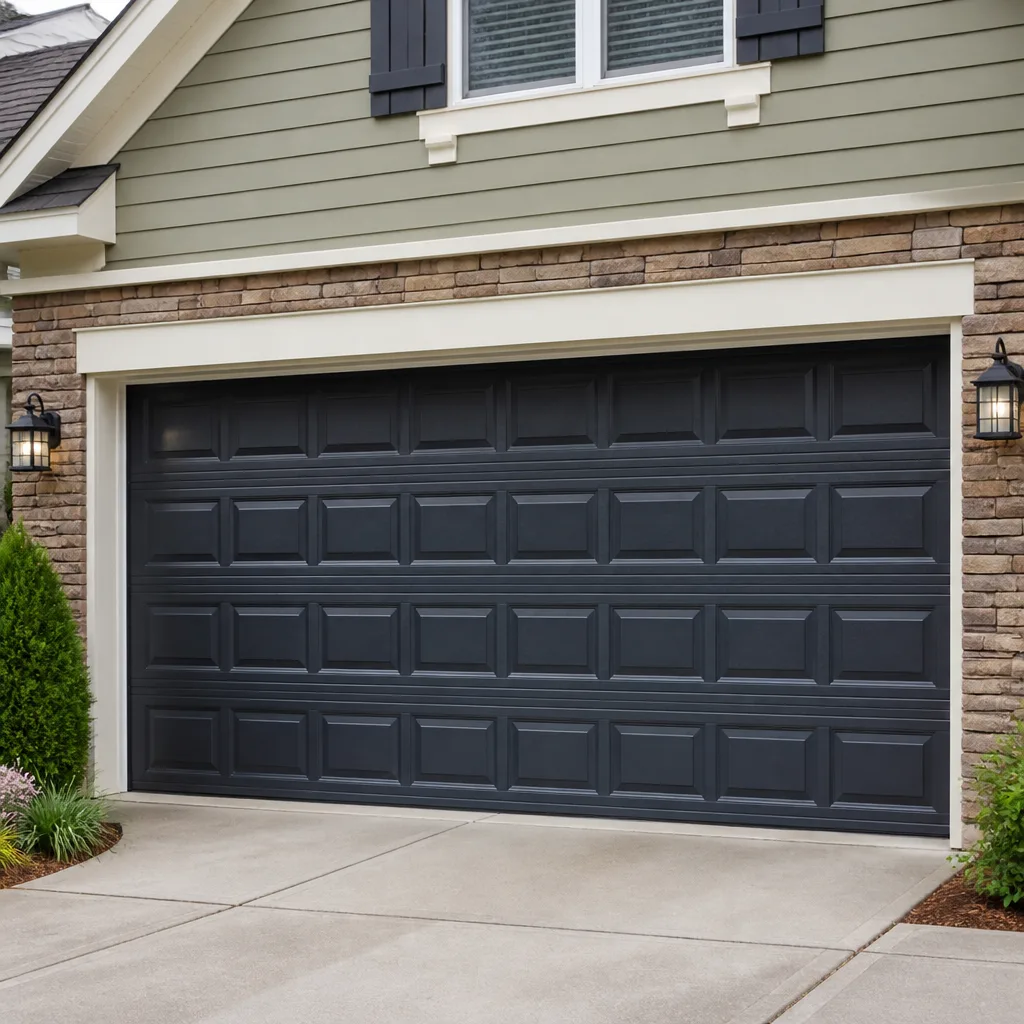 Raised-panel steel
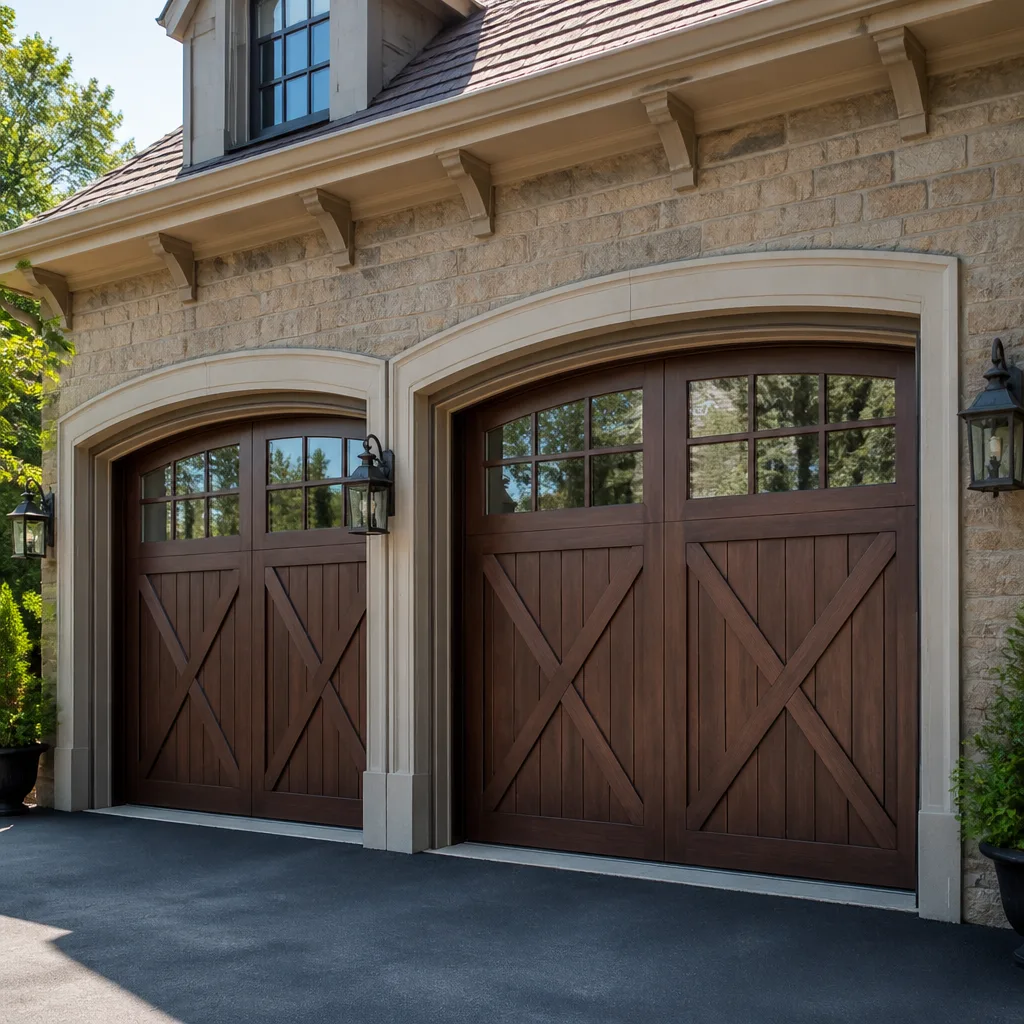 Carriage house
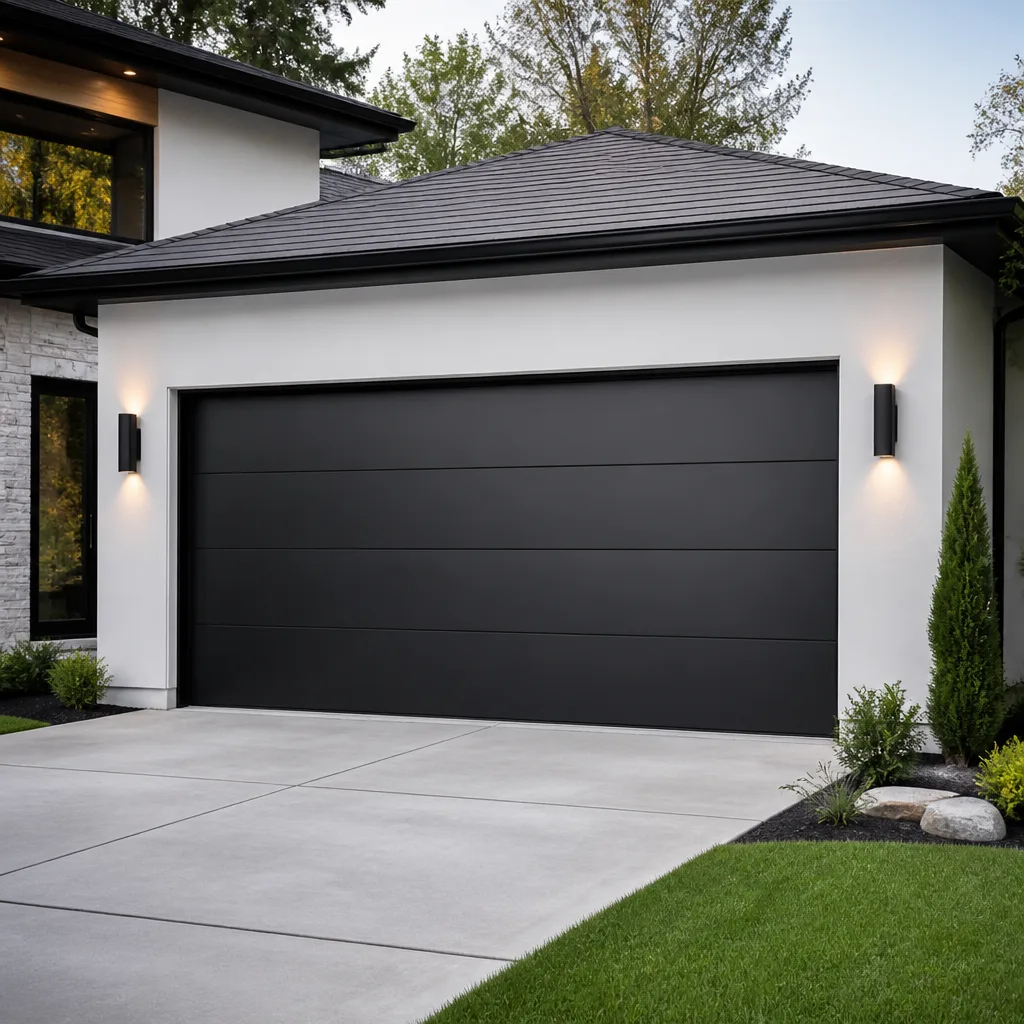 Modern flush
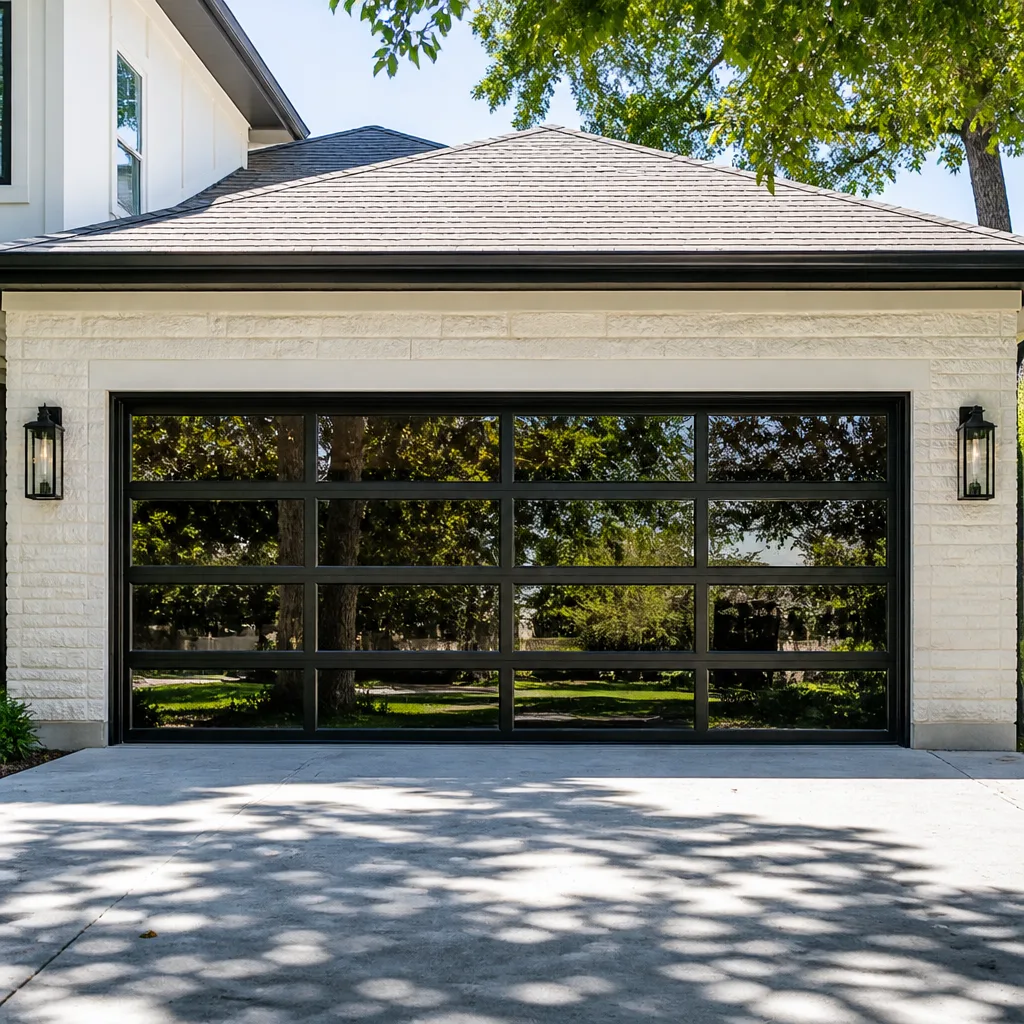 Full-view glass
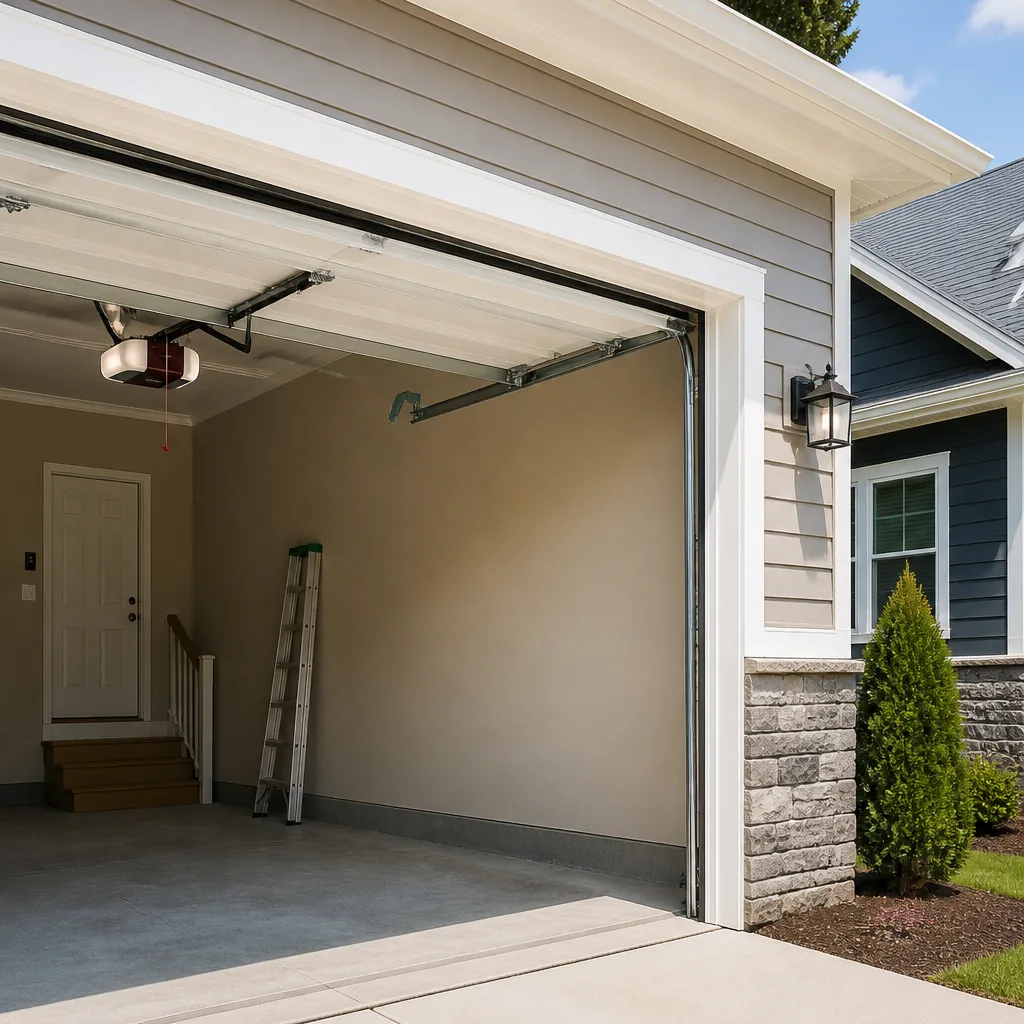 LiftMaster openers
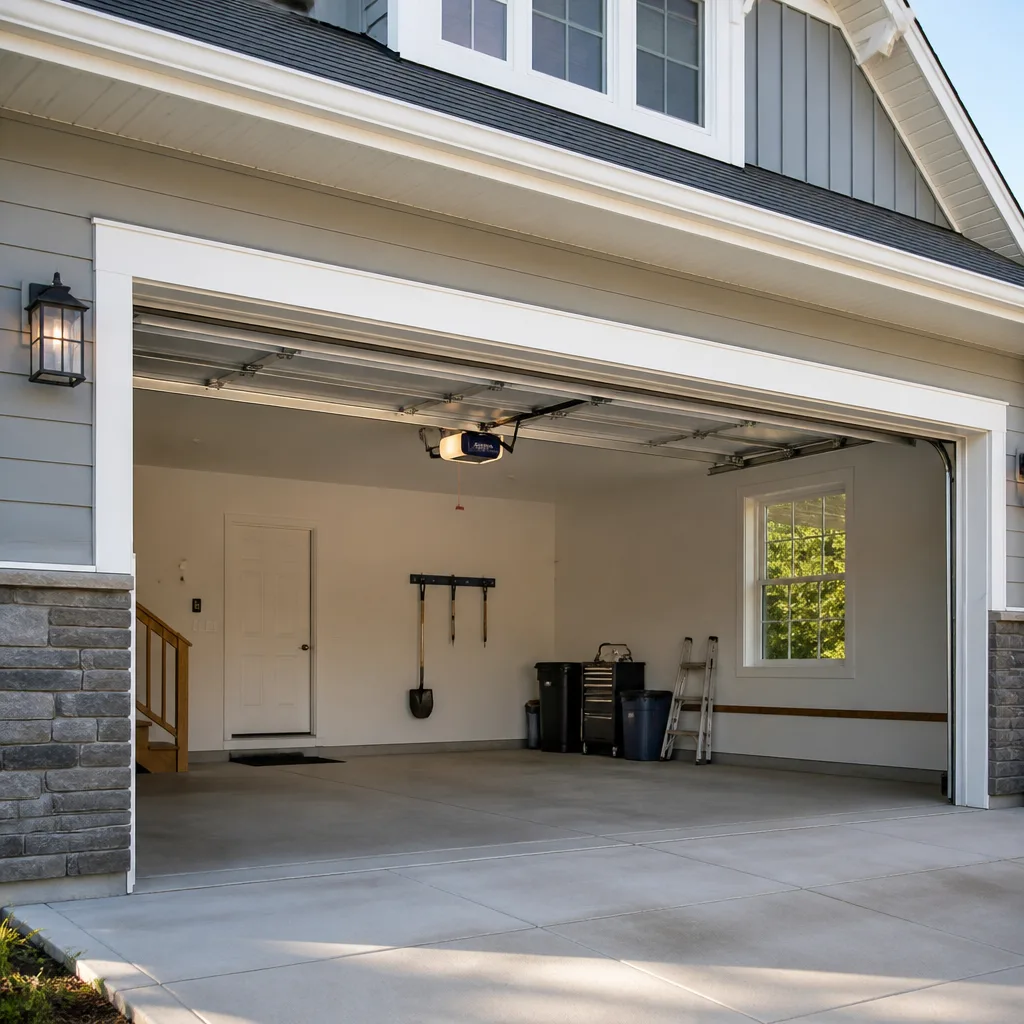 Chamberlain openers
Full 25-point door and opener safety check with every visit - springs, cables, rollers, tracks, and your LiftMaster or Chamberlain opener included
You get a price before we start. It does not change when the pro arrives.
Get your free estimateGarage Door Repair Maintenance Checklist for Melbourne Homeowners
Most garage door maintenance advice you’ll find online was written for a climate that doesn’t exist here. A tensioner that takes a year to loosen somewhere dry can corrode into failure much faster on a door that sits in Florida humidity and storm-season air. That gap between generic advice and what actually happens to hardware in Melbourne is the whole reason this guide exists. Below you’ll find a checklist built around our summers, our storm season, and the salt exposure that quietly eats springs and hinges from the inside. You’ll learn what to check monthly, quarterly, and yearly, what to look at after a big wind event, what corrosion looks like before it fails, and the 60-second test that tells you whether your door is out of balance.
Quick Answer
A good garage door maintenance checklist for Melbourne homeowners covers three rhythms: monthly (balance test, visual inspection, listening for new noises), quarterly (lubrication with a humidity-appropriate product, roller and hinge inspection, weather seal check), and annual (spring and cable condition assessment, opener force and safety-reverse testing, full hardware review). After any tropical storm or strong wind event, add an inspection of tracks, cables, hinges, and the bottom seal. If a spring is broken or a cable is frayed, stop using the door and call a trained technician rather than testing it further.
Styles & brands we work with
- Raised-panel steel
- Carriage house
- Modern flush
- Full-view glass
- LiftMaster openers
- Chamberlain openers
Table of Contents
- Why Generic Checklists Fall Short in Melbourne
- Monthly Garage Door Checks for Melbourne Homes
- Quarterly Maintenance: Lubrication, Rollers, and Seals
- Annual Tasks: Springs, Cables, and Opener Testing
- After a Storm or Wind Event: What to Inspect
- Corrosion: What It Looks Like Before Failure
- Choosing a Lubricant That Survives Humidity
- The 60-Second Balance Test
- What Maintenance and Repairs Typically Cost in Melbourne
Why Generic Checklists Fall Short in Melbourne
Published maintenance schedules are usually built around a national average. That’s fine as a starting point, but Melbourne isn’t average. The same coastal rain pattern that makes this city green year-round also drives humidity straight into every joint, hinge, and roller on your door. A spring that lives in dry air might take a long time to show surface rust. A spring sitting in humid air that cycles twice a day can pit and weaken far sooner than a standard checklist expects. That’s why we build maintenance timing around the actual environment here rather than a calendar printed in a magazine.
There’s a second factor: storm season. Wind events don’t just test your panels and seals. They throw debris that dents tracks, bend hinges, and knock rollers out of alignment. A generic annual checklist won’t tell you to walk out and inspect the door the day after a strong storm, but you should. On a coastal Florida door, that one habit prevents more surprise breakdowns than almost anything else on this list.
What this means in practice is a slightly tighter cadence. Doors in Melbourne benefit from a monthly once-over, a quarterly lubrication and hardware roll-call, and an annual review of the heavy parts – the springs, cables, and opener. The rest of this guide walks through each layer so you know exactly what to check and what to leave to a trained hand.
Monthly Garage Door Checks for Melbourne Homes
A monthly check takes about ten minutes and it’s the single most useful thing you can do for your door. You’re not repairing anything – you’re looking for changes. The point is to catch small problems before they become expensive ones.
Here’s the monthly routine we recommend for any Melbourne homeowner:
- Run the balance test (see the dedicated section below). This tells you whether the springs are doing their job or the opener is working harder than it should.
- Watch and listen as the door cycles. A door that was quiet last month and is noisy this month is telling you something. Grinding, squealing, or popping are all signals worth tracking.
- Look at the springs. A broken torsion spring has an obvious visible gap. Extension springs should have intact safety cables running through them.
- Check the tracks for debris. Palm fronds, leaves, and grit collect fast in Florida. A dirty track causes the door to bind and strain the opener.
- Test the safety reverse feature, if your opener has one – most current Genie and LiftMaster units do. Place a small block of wood or a roll of paper towels under the closing edge and confirm the door reverses on contact.
- Wipe the photo-eye lenses, if your opener uses them. Dust and spiderwebbing make doors behave as if something is blocking them when nothing is.
None of these tasks require tools or special knowledge. The goal is to notice a change early. If your door suddenly needs a “press and hold” to close because the sensors aren’t reading, that’s a monthly-check finding, and it’s far easier to fix before it strands you in the driveway. If you’d rather have a trained eye on it, our garage door repair service covers exactly these symptoms.
Quarterly Maintenance: Lubrication, Rollers, and Seals
Every three months, go beyond looking and start touching. This is the cadence layer where you catch the slow wear that a monthly visual won’t reveal. In Melbourne’s humidity, quarterly is the right interval for lubrication. Wait too long and the joints that should slide cleanly begin to grind, which wears the hardware faster.
The quarterly task list:
- Lubricate hinges, rollers, and the spring coils with a silicone-based or white lithium lubricant (more on product choice below). Don’t overdo it – a light film is enough.
- Inspect the rollers. Steel rollers that have rusted should be replaced. Nylon rollers wear differently and, if they’re cracked or flat-spotted, should be swapped out.
- Check the hinges for looseness. A hinge that’s backing out of its mount is a sign the door is straining. Tighten the hardware, then watch whether it stays put.
- Look at the bottom weather seal. In Melbourne, the seal is what keeps heat, humidity, and insects out of the garage. If it’s cracked, torn, or pulling away from the bottom section, replace it.
- Check the door panels for loose screws along the hinges and the reinforcement strut if you have one.
A note on the weather seal: it’s one of the few items on this list that wears out because of local conditions rather than just use. UV exposure and heat cause rubber seals to dry and split faster than in cooler climates. Pull on the seal gently at the bottom. If it feels stiff or crumbles in your hand, that’s a sign it’s past its useful life.
If your door or opener is a Clopay, Amarr, or Wayne Dalton model, the rollers and hinges will behave slightly differently depending on the panel construction and hardware set. We work on your brand, which means we know which hardware to look to first when a door starts feeling rough. When the problem is specific to the motor or the logic board rather than the door itself, that’s garage door opener repair territory.
Annual Tasks: Springs, Cables, and Opener Testing
Once a year, it’s worth having the heavy parts looked at closely. Springs and cables are under constant tension and they carry the whole weight of the door. A trained eye can catch a cable that’s about to fray or a spring that has lost some of its lift, before either fails at the worst possible time – usually the morning you need to back out the car.
Here’s what a solid annual review covers:
- Spring assessment. Torsion and extension springs are inspected for rust pits, stored-tension loss, and the condition of end fittings. Any spring showing deep corrosion should be planned for replacement, not pushed until failure.
- Cable inspection. Cables are checked for fraying, kinks, and rust. Frayed cables are a stop-now condition.
- Opener force and travel testing. The opener is set to reverse against a set amount of force. Over time those limits can drift, making the door behave erratically. Testing and re-setting them returns the opener to safe operation.
- Safety-reverse check with the actual obstruction test, not just the sensors.
- Full hardware swept – hinges, brackets, rollers, track alignment, and the bottom seal.
- Balance confirm. The opener shouldn’t be doing the lifting. If the door is out of balance, the opener is compensating, and that shortens its life.
Springs and cables are also where we most often recommend a professional eye. Not because a homeowner can’t look at them, but because they store a great deal of energy and a wrong move can cause serious injury. A broken spring isn’t an inconvenience – it’s a safety hazard that needs a trained hand. Springs and cables should never be tested by hand or removed by a homeowner. If your annual review finds deep rust or a visibly broken spring, stop cycling the door and call.
After a Storm or Wind Event: What to Inspect
Wind events are the single biggest driver of garage door trouble in Melbourne. Even when a storm doesn’t make landfall locally, the outer bands can produce gusts strong enough to throw debris, twist tracks, and stress hinges. The checklist after a wind event is different from the routine you run in calm weather. Walk outside and look specifically at these points:
- Panels and struts. Check for dents, creases, or panels that are no longer sitting flush.
- Tracks. Look for bends, separated seams, or debris jammed in the channel. Even a small dent can cause the door to trip a safety sensor or bind on the way up.
- Hinges and brackets. Wind loading stresses hinges first. Look for popped screws, bent hinge leaves, and bent center brackets.
- Bottom seal. Storm debris often tears or rolls the bottom seal. A damaged seal is a small fix now and a bigger problem if water and pests get past it.
- Cables and springs. The storm itself doesn’t usually break a spring, but stress on an aging door will expose one. Look for a visible gap in a torsion spring, dangling extension safety cables, or a door that feels unusually heavy when you lift it manually.
- Opener and safety sensors. Confirm the door still reverses on an obstruction and that the sensor lights are working after a power outage or flicker.
If anything on that list looks bent, jammed, or loose, don’t run the door repeatedly trying to “work it out.” A door strained by storm damage can drop or travel unevenly. This is when to call a professional for a full inspection. Our dedicated emergency garage door service exists exactly because storm damage and sudden failures don’t wait for a convenient appointment. When the door won’t open or won’t stay closed, we move fast so you don’t have to wait exposed.
Corrosion: What It Looks Like Before Failure
This is the part of the checklist that generic guides skip. On a coastal Florida door, corrosion is the hidden wear item. It rarely announces itself with a bang. It creeps in on springs, rollers, and hinges, and it’s the reason hardware fails earlier than the calendar says it should.
Here’s what to look for, part by part:
- Springs: Look for reddish-brown surface bloom, but more importantly look for pitting – small craters where metal has been eaten away unevenly. Pitting is the failure signal. A spring with surface rust can still have life; a spring with deep pitting is on its way out.
- Rollers: Steel rollers develop rust rings and stop rolling smoothly. A roller that sticks and then jerks is grinding its way toward a flat spot. Nylon rollers show wear as flattening or cracking.
- Hinges: Hinge leaves show rust along the pin, and the joint begins to squeak or bind. A hinge that’s stiff is transferring stress to the panel it’s bolted to.
- Track sections: Rust along the inside of the track increases friction, which strains the opener and produces a sandy, grinding noise on each cycle.
- Cables: Cables rarely rust into visible bloom before they fray, but fraying and dark discoloration along a cable are signals to stop using the door.
The tricky part is that salt exposure and humidity speed up all of this without leaving obvious clues until the hardware is already compromised. That’s why monthly visual checks matter here more than they would inland. If your springs or rollers look pitted, don’t wait for them to fail on their own timetable. Have them assessed.
Choosing a Lubricant That Survives Humidity
Lubrication product choice matters enormously in a humid climate. The wrong product doesn’t just fail to protect the hardware – it can actively make things worse by collecting grit and moisture.
What to use:
- Silicone-based lubricant on hinges, rollers, and spring coils. It stays slick, resists water, and doesn’t turn gummy.
- White lithium grease in small amounts on heavy-wear points, applied sparingly.
- Manufacturer-recommended lubricants for specific brands. If your door is a Genie or Wayne Dalton system with specific hardware, follow the guidance for that brand.
What to avoid:
- Oil-based household oils that dry into a sticky film and attract dust and grit.
- Products that hold moisture against the hardware, which accelerates corrosion rather than preventing it.
- Over-application. Excess lubricant becomes a dirt trap. A light film on each moving part does more than a heavy coat.
Wipe away any old, grit-laden lubricant before you apply a fresh coat. Over time, the old grease picks up sand, plant debris, and metal dust, and that mixture works like sandpaper on the moving parts. A clean joint lubricated lightly with silicone will outlast a grimy joint packed with grease every time in this climate.
The 60-Second Balance Test
This is the single most valuable test a homeowner can run, and it takes under a minute. It tells you whether the springs are carrying the door’s weight or whether the opener is doing the lifting. In Melbourne’s humidity, springs age faster than the national average, so this test is even more useful here.
How to do it safely:
- Close the door fully.
- Disconnect the opener from the door using the manual release cord (pull it down, then step back as the door settles).
- Lift the door by hand about halfway up.
- Let go.
A properly balanced door stays where you leave it – roughly half-open. A door that falls on its own is under-sprung and the opener is compensating. A door that rises on its own is over-sprung. Either condition is a sign the springs need attention. Don’t run this test with the opener connected, and don’t attempt to adjust or replace springs yourself. The test is about observation, not repair.
If your door fails the balance test, the fix is usually a spring replacement. Replacing one spring is one job; a matched pair is usually replaced together because springs wear at the same rate, so a pair costs about twice a single spring. We specialize in that exact service because springs are a core part of what we do, not an upsell. This is one of the most technically demanding jobs in the trade, and it’s one where a trained hand matters most.
What Maintenance and Repairs Typically Cost in Melbourne
Costs vary with the size, brand, and condition of your door, and with the specific hardware involved. The ranges below are typical estimates for this area, not quotes. A written estimate sets the final price, and we quote before any work starts so there are no surprises on the invoice.
| Service | Typical Estimated Range |
|---|---|
| Tune-up and safety inspection | $90 – $180 |
| Roller replacement (set) | $120 – $250 |
| Hinge or bracket replacement | $75 – $150 |
| Bottom weather seal replacement | $85 – $180 |
| Single torsion spring replacement | $180 – $340 |
| Matched torsion spring pair | $360 – $680 |
| Cable replacement (per side) | $130 – $250 |
| Opener repair (diagnostic and common parts) | $120 – $300 |
| Safety sensor replacement | $90 – $180 |
These are estimates for reference. A full tune-up is often cheaper than the sum of individual inspections because it bundles the checks. Spring and cable work carries a higher price because of the safety risk and the technical skill required – a broken spring store large amounts of energy, and the job is best left to a trained technician. Call (877) 492-2051 for an exact quote. Estimates are free.
Common Mistakes to Avoid
- Lubricating with the wrong product. Household oils and sticky greases attract grit and accelerant corrosion. In a humid climate, the wrong product can shorten hardware life. Use silicone or a light white lithium instead.
- Skipping the post-storm inspection. A storm passes, the door “looks fine,” and weeks later a bent track or stressed hinge fails. Inspect after every significant wind event.
- Testing or adjusting springs by hand. Springs store enough energy to cause serious injury. Never loosen, tighten, or test a spring yourself. If a spring is broken or clearly corroded, stop cycling the door.
- Ignoring the balance test. A heavy door that the opener is straining to lift keeps working until it doesn’t. Failure hits at a bad time. Test balance monthly.
- Over-lubricating to “make it smoother.” More grease isn’t better. Excess product collects debris and accelerates wear. Light, clean application beats a heavy coat.
- Pushing off a tune-up because the door still opens. A tune-up costs a fraction of an emergency repair, and in Melbourne’s climate the annual review is where you catch spring and cable wear before failure.
- Assuming a “quiet” opener means a healthy door. A quiet motor can be straining against an unbalanced door. Quiet doesn’t mean balanced.
See the difference
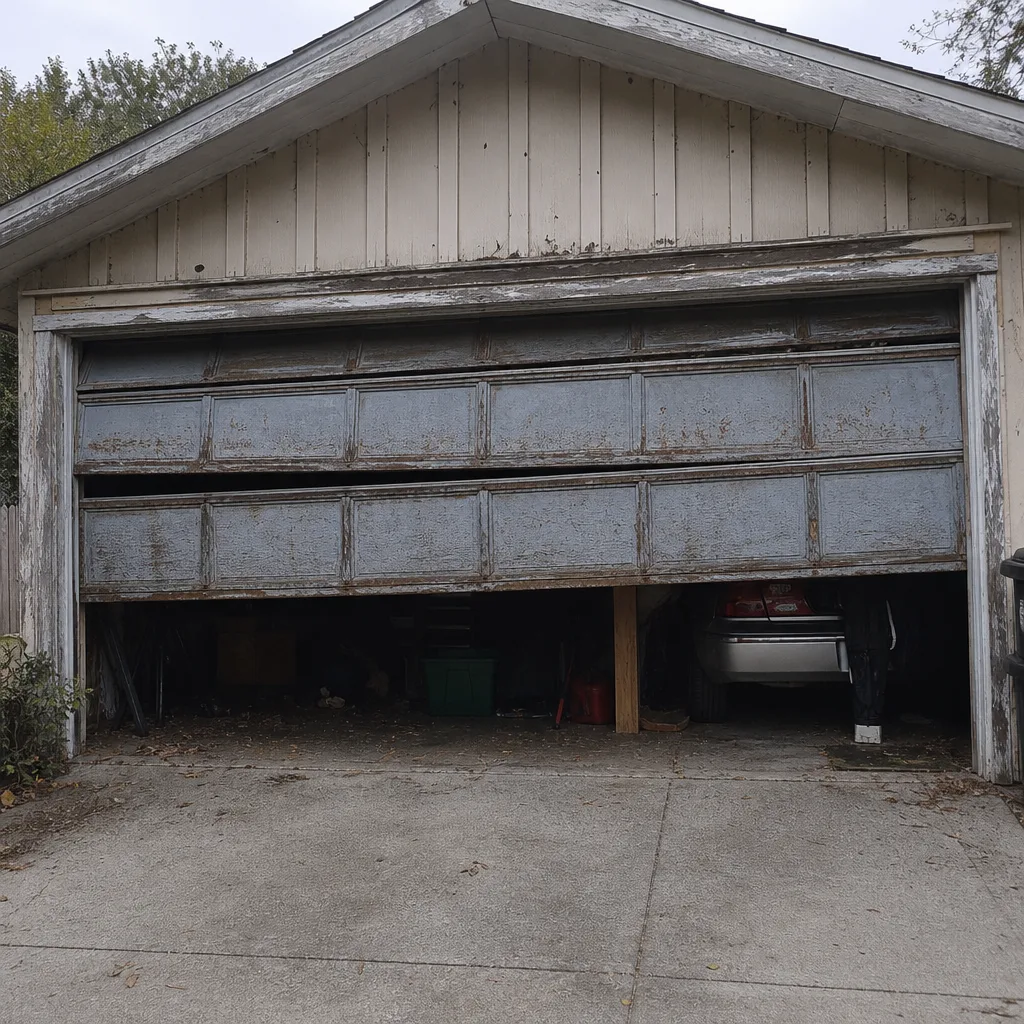 Before
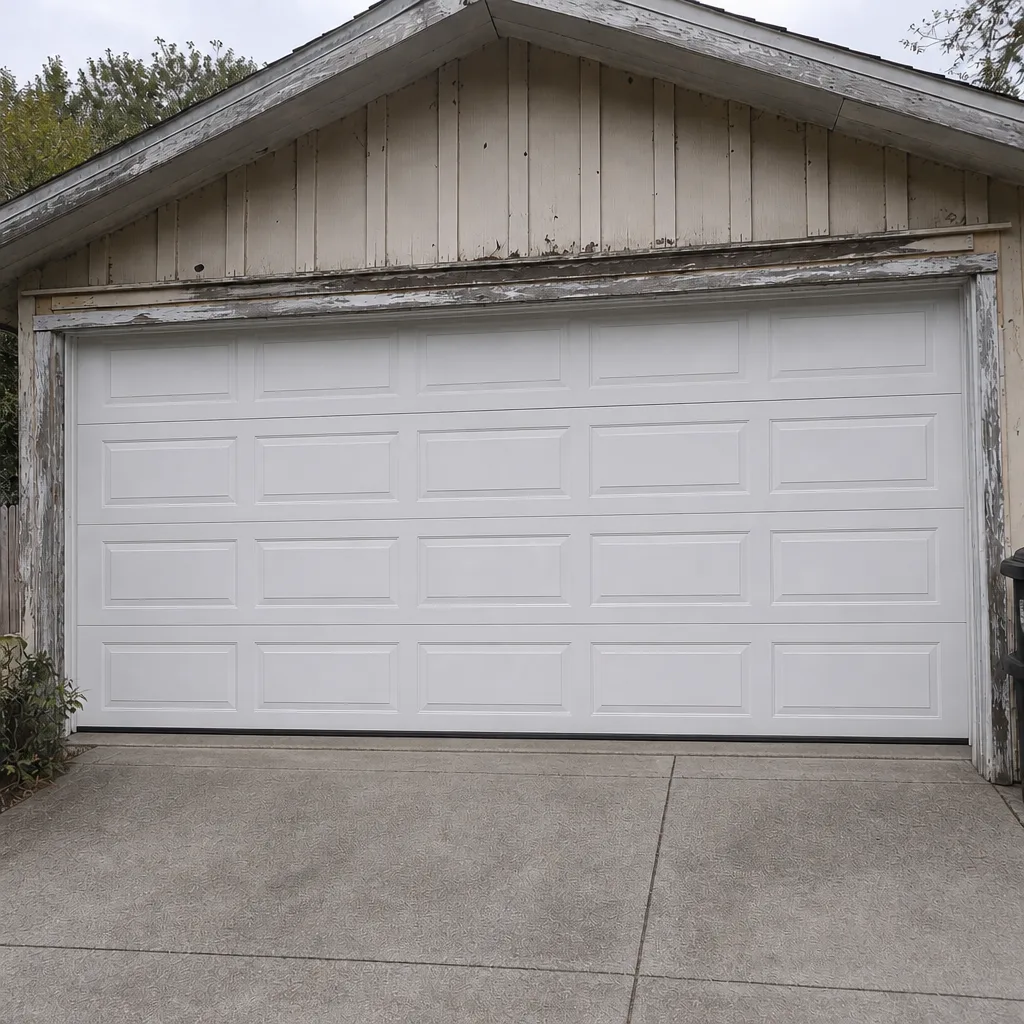 After
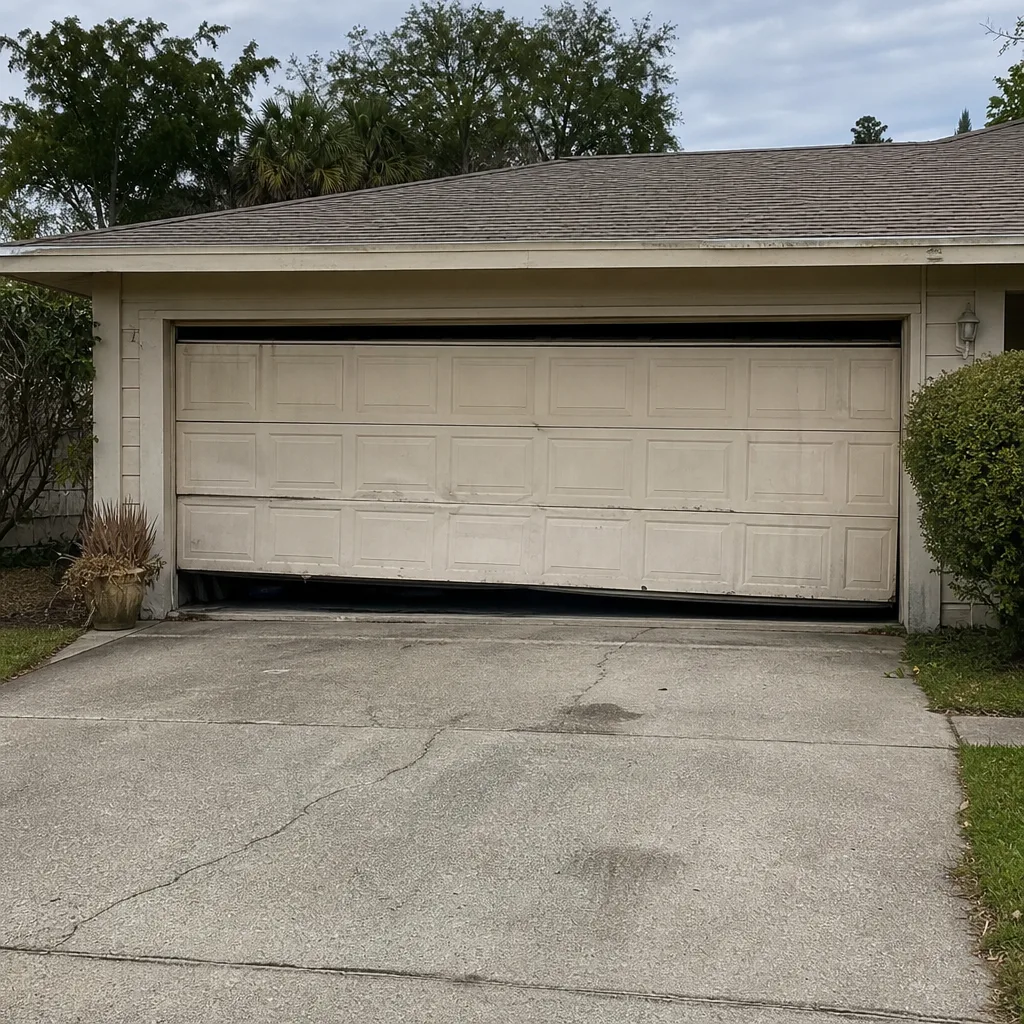 Before
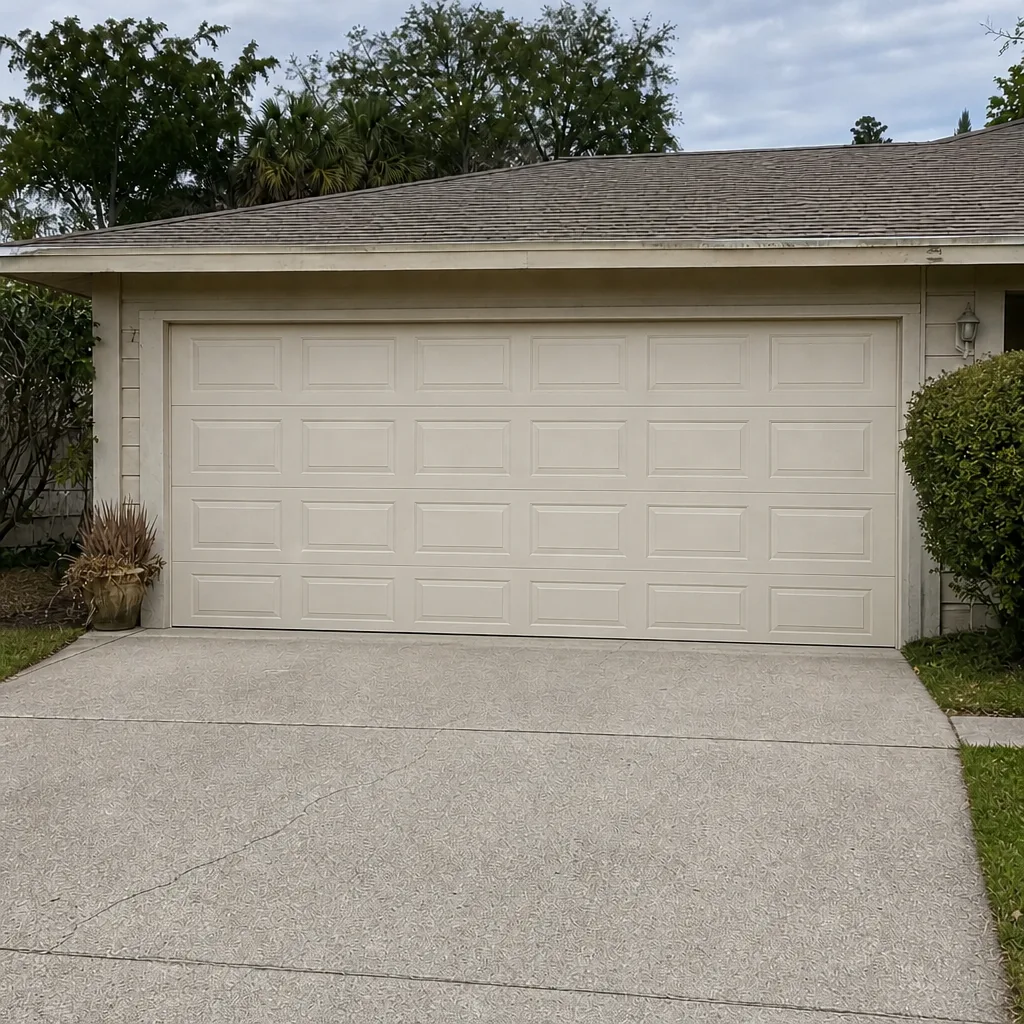 After
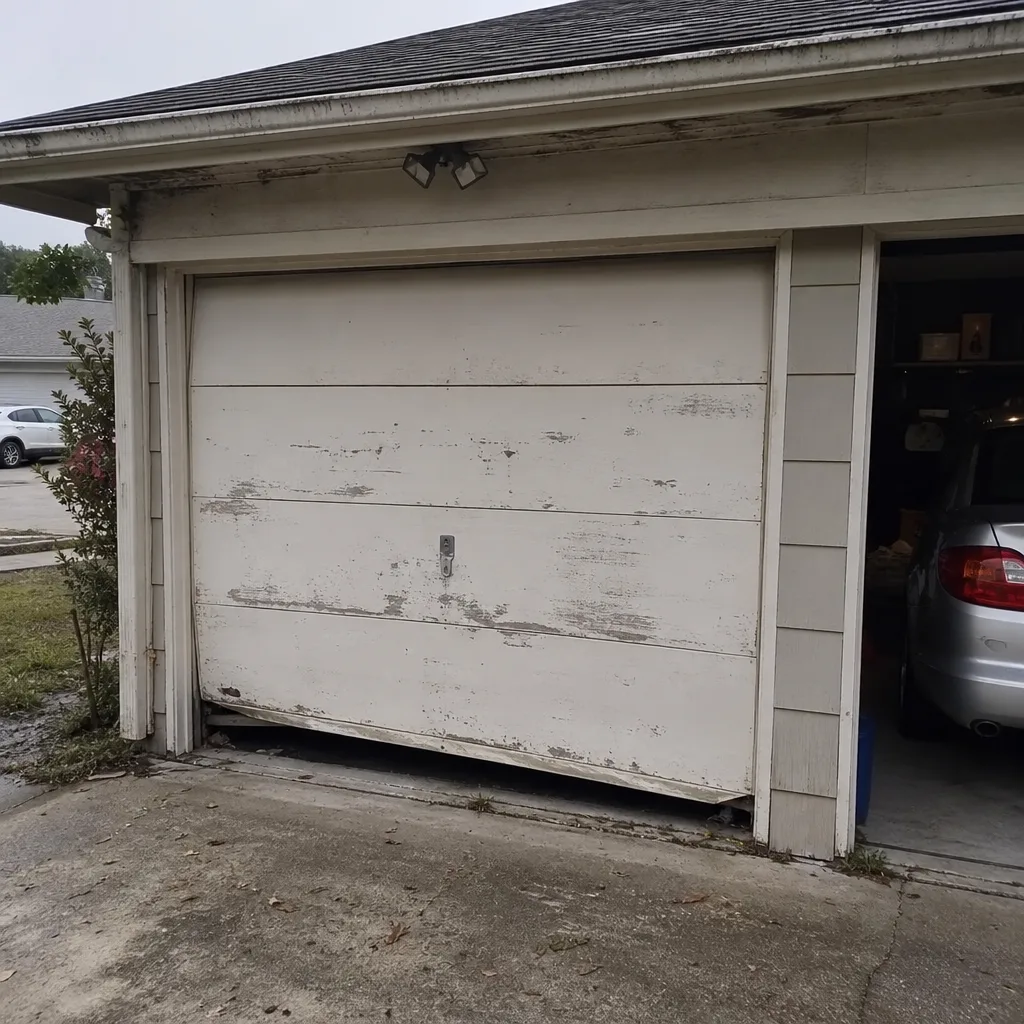 Before
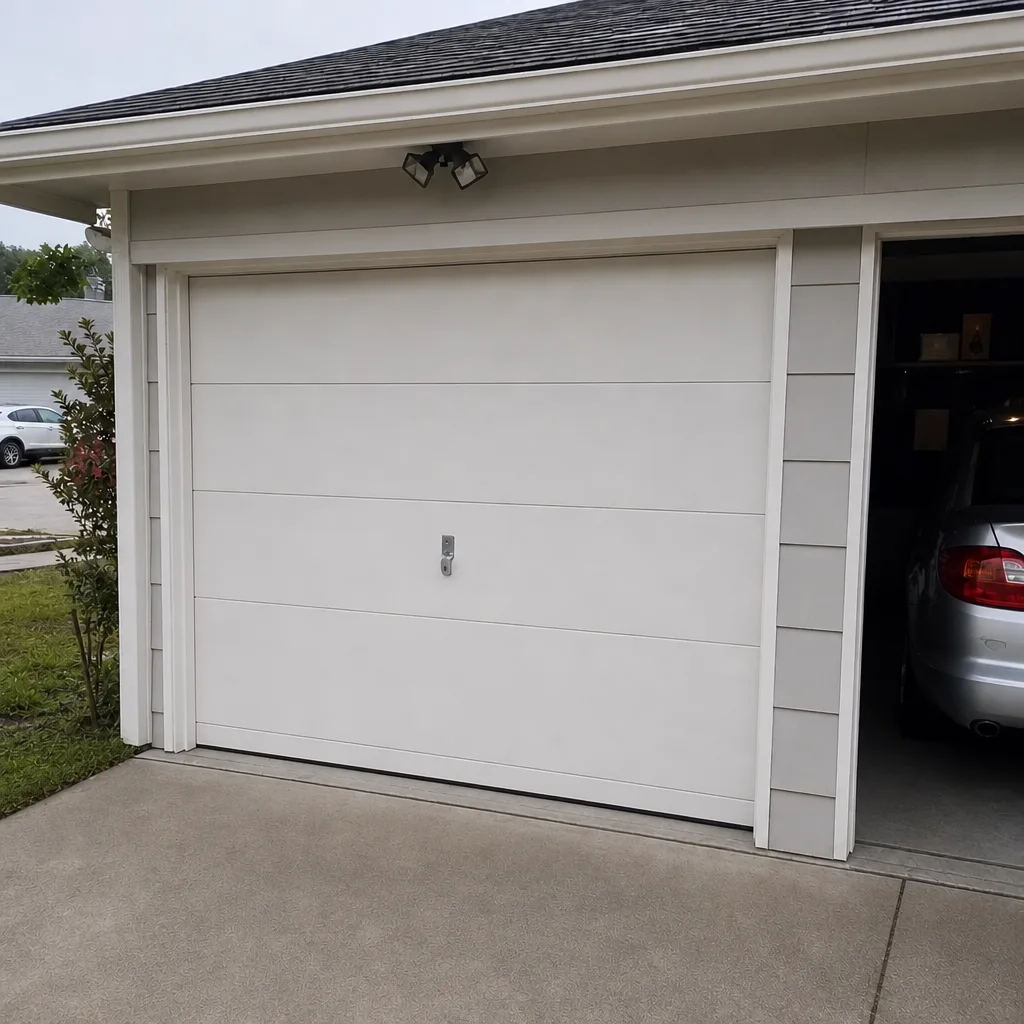 After
When to Call a Professional
Some jobs belong to a trained technician. Call us if any of these apply: a spring is visibly broken, pitted deeply, or the door is unbalanced; a cable is frayed, kinked, or loose; the door binds, jerks, or refuses to travel evenly; the opener strains, reverses on its own, or fails to lift; or storm damage has bent a panel, track, or hinge. Also call if you simply want an experienced eye on the hardware before something fails. Melbourne Garage Door Repair Pros offers free estimates in Melbourne – call (877) 492-2051. Our technicians have up to 13 years of experience, and we connect you with a vetted local pro who is licensed and insured as their state requires. The price is quoted and agreed before any work starts.
Frequently Asked Questions
Monthly for a quick visual and balance test, quarterly for lubrication and hardware checks, and annually for a full spring, cable, and opener review. Melbourne’s humidity and storm season justify a slightly tighter cadence than the national average – especially the post-storm inspection after any wind event. Call (877) 492-2051 for a free estimate if you’d like a trained inspection.
A tune-up and safety inspection typically runs $90 to $180, depending on the door’s condition and brand. That includes the balance test, lubrication, hardware check, and opener safety-reverse testing. A written estimate sets the final price, and we quote before any work begins. Call (877) 492-2051 for an exact quote – estimates are free.
Yes, the observation part is safe. Disconnect the opener, lift the door halfway by hand, and let go. A balanced door stays put; a door that falls is under-sprung and a door that rises is over-sprung. Do not attempt to adjust springs yourself – that part requires a trained technician. Call (877) 492-2051 if the test shows an imbalance.
Inspect panels for dents, tracks for bends or debris, hinges for loosened screws, the bottom seal for tears, and the cables for fraying. Confirm the opener still reverses on an obstruction. Don’t run a damaged door repeatedly trying to fix it – a strained door can drop or travel unevenly. Call (877) 492-2051 for an inspection.
Humidity and salt exposure accelerate corrosion on springs, rollers, and hinges. Surface rust turns into pitting, and pitted springs lose lift sooner than dry-climate springs. This is why monthly visual checks and quarterly lubrication matter more here than in inland climates. Call (877) 492-2051 to have your hardware assessed.
Yes. We work on your brand – LiftMaster, Chamberlain, Genie, Clopay, Amarr, Wayne Dalton, Craftsman, and Raynor. Clopay and Amarr doors have specific hardware profiles, and Wayne Dalton and Genie systems have specific opener and hardware quirks. Knowing the brand saves time on diagnosis. Call (877) 492-2051 to book a service.
The Bottom Line
A garage door maintenance checklist that ignores local conditions is a checklist that misses the failure points that actually matter in Melbourne. Run the balance test monthly, lubricate and inspect hardware quarterly, get a professional review annually, and do a specific post-storm inspection after every significant wind event. Use a humidity-appropriate lubricant, watch for pitting on springs and rust on rollers before they fail. If a spring is broken or a cable is frayed, stop using the door and call a trained technician. That’s the short version, and it’s the version that holds up here.
If you’d rather hand the checklist to someone who works on doors every day, we’re one call away. Melbourne Garage Door Repair Pros connects you with a local pro for repair, opener service, or full installation, and garage door installation is available when a door has reached the end of its life. Ten minutes a month and a yearly inspection will keep your door and opener working across all of it. For the full range of what we handle, start with our home page at Melbourne Garage Door Repair Pros. Call (877) 492-2051 for a free estimate.
Written by the team at Melbourne Garage Door Repair Pros.