Last updated November 23, 2026
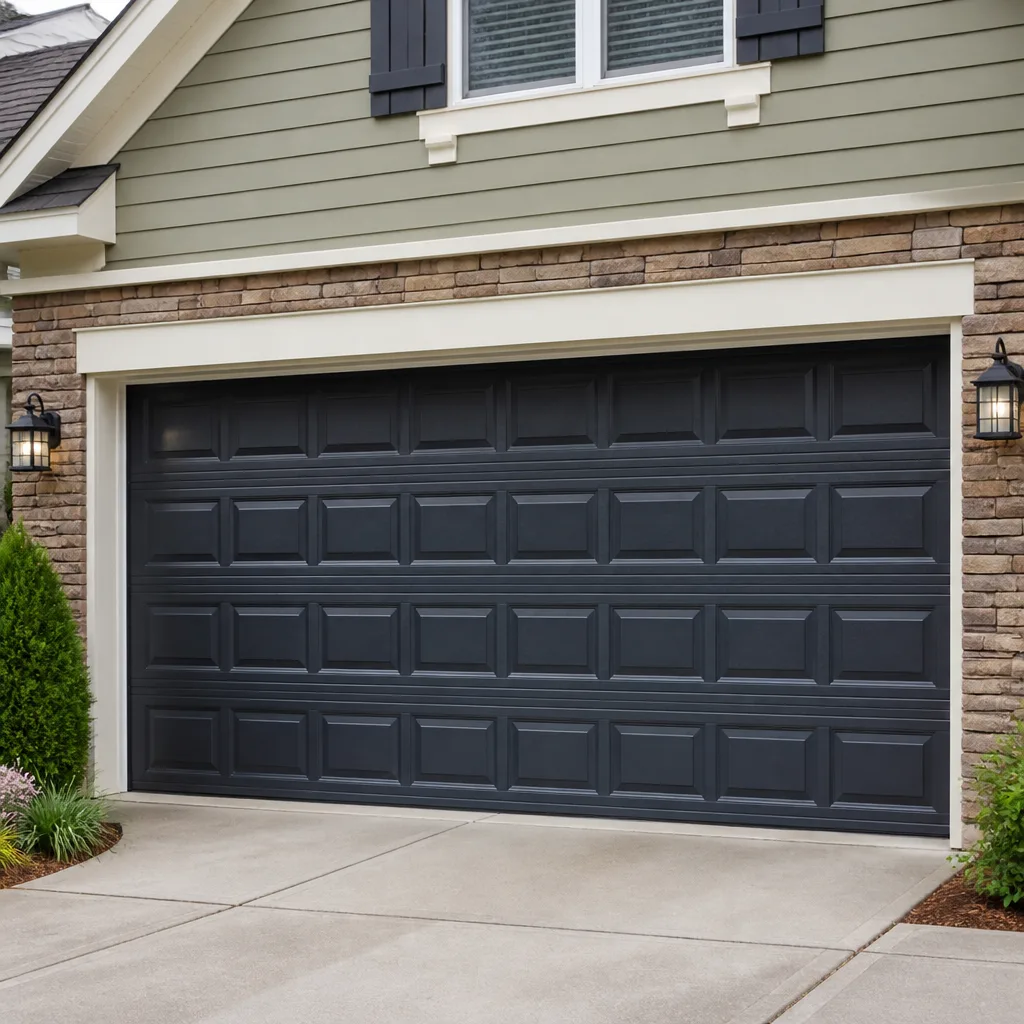 Raised-panel steel
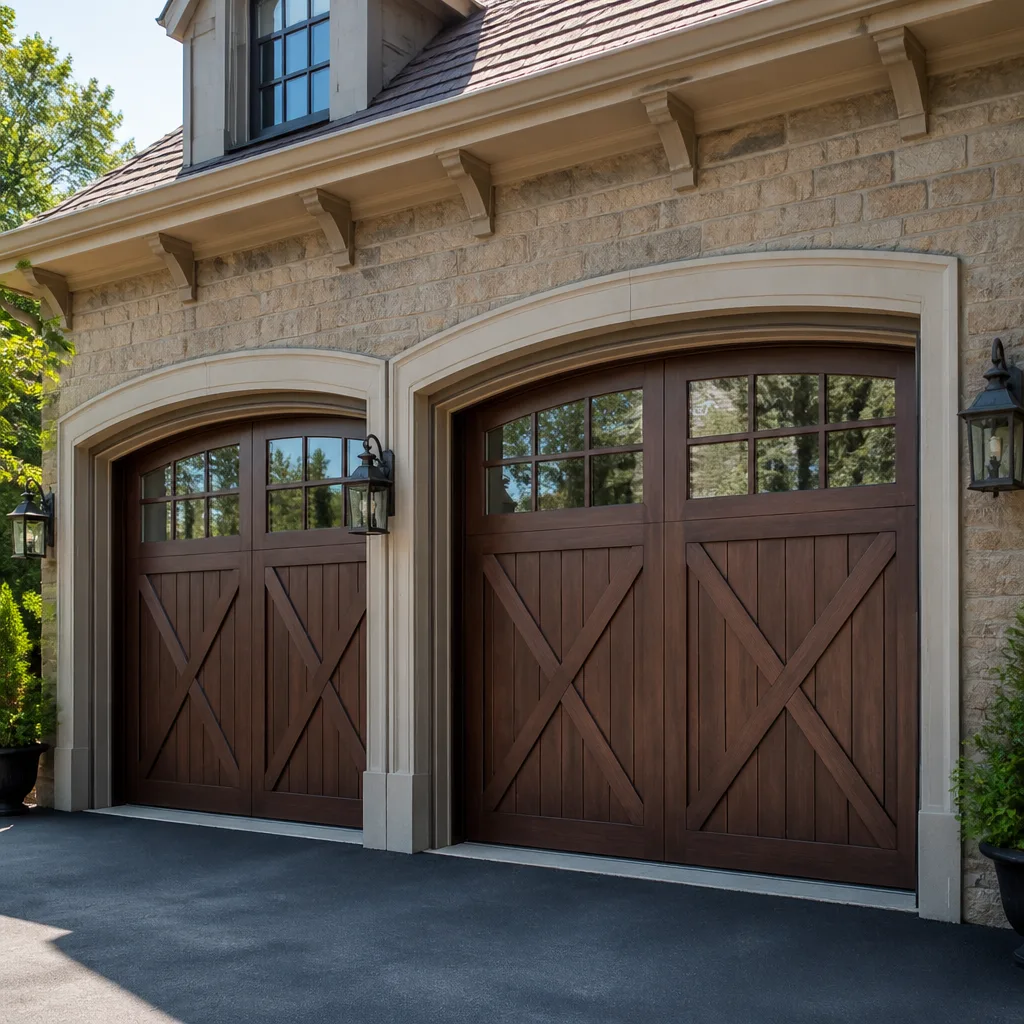 Carriage house
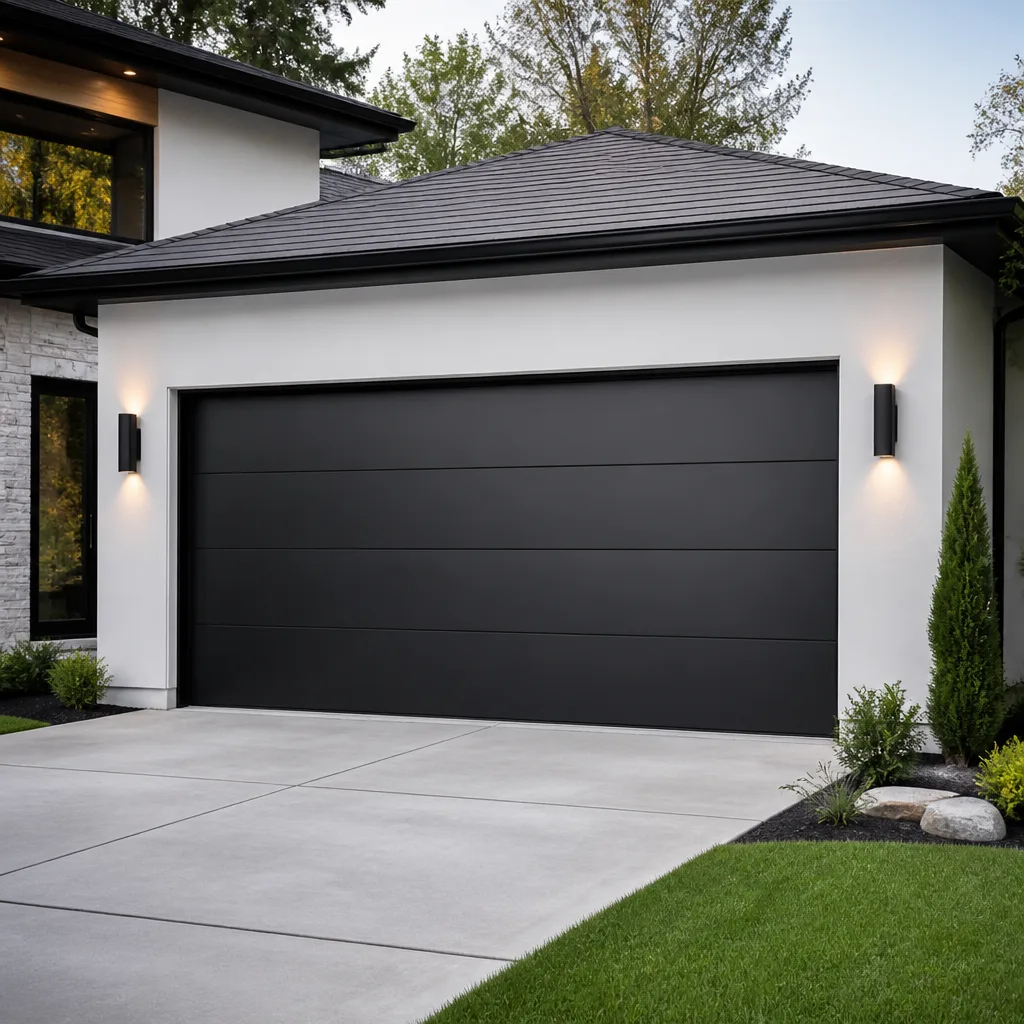 Modern flush
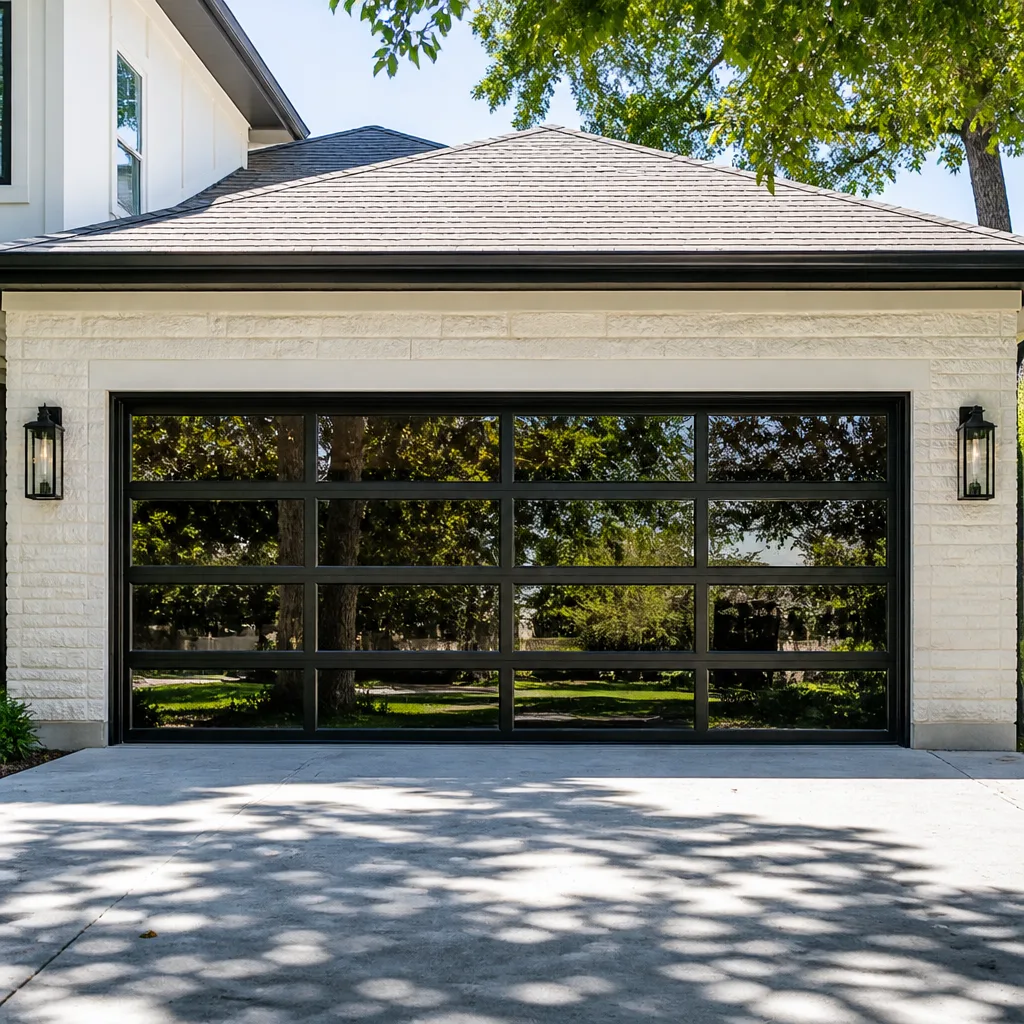 Full-view glass
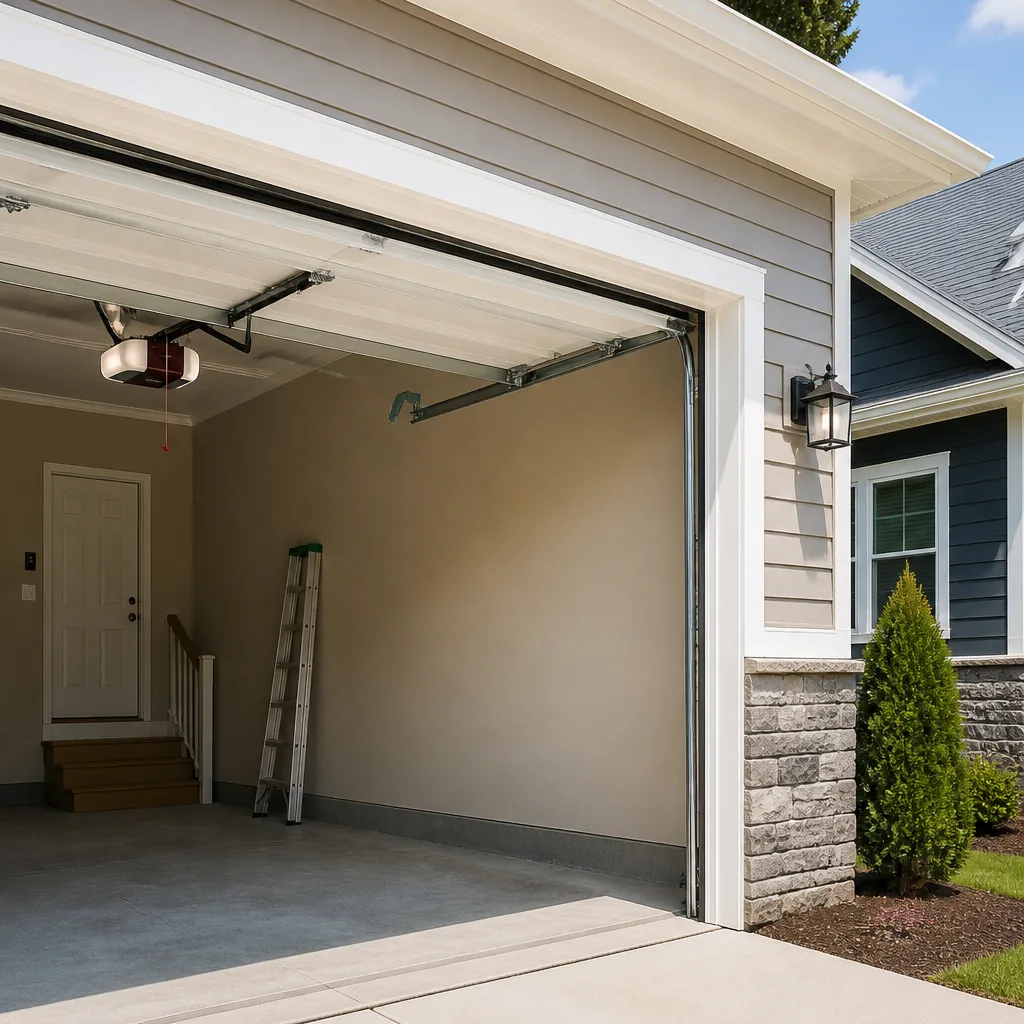 LiftMaster openers
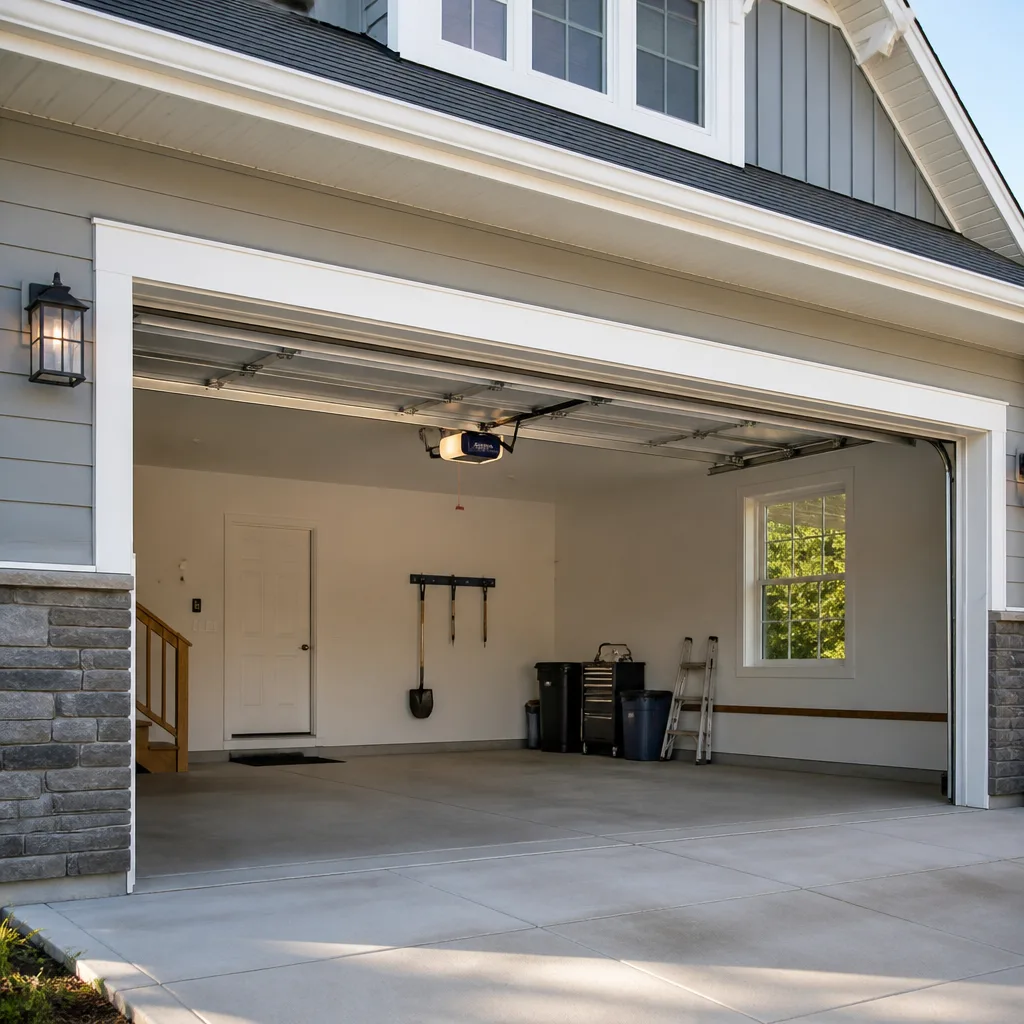 Chamberlain openers
Full 25-point door and opener safety check with every visit - springs, cables, rollers, tracks, and your LiftMaster or Chamberlain opener included
You get a price before we start. It does not change when the pro arrives.
Get your free estimateHow to Hire a Garage Door Contractor in Melbourne: A Step-by-Step Guide
In Florida, a contractor can hold a valid license and still have never replaced a torsion spring in their life. That’s the part most hiring guides skip. They tell you to check reviews, get three quotes, and confirm the license – advice that filters out almost nothing. The license tells you the state permits the work. It doesn’t tell you whether the person holding it can safely set a torsion spring under tension or install a wind-rated door so it passes inspection. This guide gives you a technical framework for vetting a garage door contractor in Melbourne, Florida, so you can tell a real specialist from a generalist with a torque wrench. We’ll cover the license loopholes, the five questions that separate the two, and the red flags in a quote.
Quick Answer
To hire a garage door contractor in Melbourne, FL, verify the contractor’s Florida license classification covers garage door systems work, ask brand-specific technical questions about your door and opener, confirm they have handled wind-load installation requirements for your area, and insist on a written, itemized quote before any work starts. Narrow it down with number of springs, wind rating, and permit responsibility. A licensed generalist can work on your door legally; a specialist knows how to do it correctly.
Styles & brands we work with
- Raised-panel steel
- Carriage house
- Modern flush
- Full-view glass
- LiftMaster openers
- Chamberlain openers
Table of Contents
- What Florida License Classifications Actually Cover Garage Door Work
- The Five Technical Questions to Ask Before Booking
- Why Brevard County Wind-Load Requirements Matter
- How to Read a Quote: Red Flags and What a Low Bid Really Means
- How to Verify Hurricane-Rated Installation Credentials
- Spring Work in Melbourne: Why It Deserves a Real Specialist
- Brand Knowledge: What It Signals About a Contractor
- Common Mistakes to Avoid
What Florida License Classifications Actually Cover Garage Door Work
Here’s the loophole most homeowners don’t know: garage door installation and repair can legally fall under more than one Florida license classification. A general contractor’s license, a specialty contractor’s license in a related trade, or several other classifications can plausibly cover this kind of work on paper. That means the contractor in your driveway could be fully licensed – and still have no real experience with torsion springs, high-cycle openers, or wind-rated door systems. The license gets them through the permitting door. It doesn’t measure what they know.
What should you actually look for? Ask the contractor directly:
- Which Florida license classification covers garage door installation, and under which category do they hold it?
- Who pulls the permit when a new door or an opener replacement requires one – the contractor or you?
- Does their license specifically list garage door work, or is door work a side offering within a broader license?
- Can they show proof of current workers’ compensation coverage for the people doing the physical installation?
For most replacement work in Melbourne, the city’s building department will have specific requirements about who can pull the permit and what documentation is needed. If a contractor dodges these questions or tells you “you don’t need a permit for a garage door,” verify that directly with the city before signing anything. Our approach here is that the local pro is licensed and insured as their state requires, and the paperwork trail should be transparent.
The honest takeaway: license status is just a starting filter. It’s necessary, not sufficient. You have to go one layer deeper.
The Five Technical Questions to Ask Before Booking
These questions aren’t tricks. They’re the difference between someone who reads a manual before the job and someone who already knows what’s going to happen. If a contractor can’t answer these with confidence, they’ve never dealt with the specific situation in your garage.
- “Is my door a torsion spring or an extension spring system, and do you recommend replacing both springs at once?” A real specialist will ask about door weight and cycles before answering. A generalist will guess, or say “we’ll see when we get there.”
- “What brand and model is my opener, and does that change how you diagnose the problem?” LiftMaster, Chamberlain, and Genie systems each have their own quirks – opener logic boards, remote pairing sequences, safety sensor differences. A contractor who works across those brands knows them. One who doesn’t will tell you either “it’s a bad opener” or “it’s just got old.”
- “Can you tell me what wind-load rating my current door was installed to, and what a replacement would need?” If they don’t know the term, they’re not the right person for installation in Brevard County.
- “What’s your process for balance-testing and safety-reversing the door after the repair?” A specialist does this as a matter of course. A generalist may not mention it at all.
- “Do you work on Wayne Dalton and Raynor doors, or is your experience mainly with builder-grade systems?” Brand fluency means they’ve seen how those doors get installed, what fails on them, and how to source parts. If they can’t answer this clearly, they don’t work on your brand.
Notice what these questions have in common: they’re not asking whether the contractor is “experienced.” They’re asking whether the contractor knows the specific door in your garage. That’s the only thing that matters.
Why Brevard County Wind-Load Requirements Matter for Installation
Brevard County sits inside one of Florida’s wind-borne debris regions, and garage doors are one of the most vulnerable openings on a home during high wind. That means installation and replacement work triggered by a door failure or a home sale inspection usually falls under wind-load requirements – a door has to be rated and installed to a specified design pressure for the job to pass. A contractor who has only installed interior-framed doors or builder-grade replacements may not understand the documentation side of this at all.
What you’ll want answered before installation begins:
- What is the required design pressure for your home’s location and door opening size?
- Which door models, from which manufacturers, are rated to that pressure and can be documented?
- Does the contractor have experience installing doors rated to that pressure – not just standard doors they’ve installed before?
- Who signs off on the installation, and what paperwork proves the wind rating?
Brand-specific installation experience matters here. Clopay and Raynor, for instance, have wind-load product lines and documentation systems specific to their catalogs. A contractor who has installed doors across those brands knows how to match the correct product to your requirements and keeps the paperwork clean for inspection. One who hasn’t may install something that looks right and fails the paperwork check later.
The point isn’t that every installation needs to be hurricane-rated – plenty of standard replacement jobs don’t. But in Brevard County, the question of whether it does should never be answered by instinct. It should be answered by your design pressure requirement, on paper, before the door is ordered.
How to Read a Quote: Red Flags and What a Low Bid Really Means
The lowest quote is often the most expensive job, and here’s why. When you look at a garage door repair quote in Melbourne, the number is the summary of a set of assumptions. A suspiciously low bid usually means one or more of those assumptions is being skipped.
What a low bid often hides:
- Replacing one spring when both are worn. A pair of torsion springs is replaced together because they fail together. Quoting one is cheaper – and usually means a second repair bill soon after.
- Skipping the safety test after repair. Balance and safety-reversing tests add time to the job. A low bid often skips them.
- Cheap hardware substituted for branded parts. Cable, spring wire, and rollers have real differences in cycle life. Cheaper parts fail sooner.
- Not pulling a required permit. Some contractors quote low by letting the homeowner take on permit risk. If a door installation requires a permit and your contractor says “you don’t need one,” verify that with the city.
- No written line items. If the quote is one number on a text message, you have no way to hold anyone to scope.
A solid quote should list each line item – parts, labor, disposal of old parts, safety testing – and should state the price explicitly before any work starts. That’s the practice we follow, and it’s what you should expect. When you compare quotes, compare the scope of work, not just the total. A slightly higher quote with more items listed is usually the bracket of a contractor who’s planning to do the full job. A quote that’s dramatically lower is usually lower because the job is smaller than it should be.
How to Verify Hurricane-Rated Installation Credentials Before Work Starts
Verifying credentials after the work is done is how homeowners end up with doors that fail inspection. The right time to check is before the door gets ordered. Here’s the step-by-step process we recommend:
- Confirm the required wind-load design pressure for your home with Brevard County’s building department or your property’s permit history. This gives you the number to compare against, not the contractor’s word.
- Ask the contractor to provide the manufacturer’s product documentation for the door they’re proposing. It should list the design pressure rating for the exact size and model.
- Ask who handles the permit and the inspection sign-off. The contractor should be able to tell you exactly which permit will be pulled and by whom.
- Request the installation instructions from the manufacturer for the specific model. A qualified contractor will have those on hand and can tell you how the installation varies from standard.
- Confirm the contractor has installed doors rated to that pressure before. Ask them to describe a specific type of system they’ve installed under that rating. If they can’t describe the details, they likely haven’t.
What we’re doing with the local pro has to match the paperwork. Transparency here means everything – and a specialist who does this work regularly will think nothing of the questions. If a contractor gets defensive, rush through the answers, or tells you “we handle all that,” that’s your signal.
Spring Work in Melbourne: Why It Deserves a Real Specialist
A broken spring is not a maintenance item you can put off, and it’s not a job any generalist should take on. Torsion springs hold enormous stored energy – the kind that can cause serious injury if handled incorrectly, and the reason spring repair is one of the most safety-sensitive jobs in the trade. Extension springs are also under tension and can fail violently if the wrong components are used. This is the area where hiring a generalist is most likely to go wrong, and where the consequences are most serious.
What a specialist should do on spring work:
- Identify the spring system before quoting – torsion and extension spring systems are entirely different jobs.
- Measure for the right spring by door weight and cycle life, not just “one that fits.”
- Recommend replacing the pair when one has failed, since a matched pair is the safe and standard practice.
- Balance-test the door and verify the safety-reversing function after the new springs are in.
Every so often, a homeowner in Melbourne will tell us they had a spring replaced by someone who wasn’t a specialist, and within a few weeks the door was out of balance again. When something’s wrong internally, the door tells you – through noise, through weight, through how it sits. Listen to the door after any repair. If it doesn’t feel right, it probably isn’t.
If your spring has failed, don’t operate the door. A trained professional needs to handle it. That’s the honest answer. This is one service where we don’t recommend the DIY route at all, and any honest contractor will tell you the same.
Brand Knowledge: What It Signals About a Contractor
When we ask a contractor which brands they work on and they list eight, that tells us they’ve had real exposure to the industry’s most widely-owned systems – and they’ve probably seen the quirks of each. When they say “we work on all brands,” it often means they don’t work on any in particular. It’s worth asking about specific brands, because each one carries its own installation and diagnostic realities.
Here’s the fun part: brand fluency means a technician can walk into your garage, recognize the door and opener, and start from a position of knowing what’s likely wrong rather than spending 45 minutes figuring it out. That’s the practical difference. For LiftMaster and Chamberlain openers, it’s often a logic board, sensor, or remote pairing issue that only presents on certain models. For Craftsman systems, some older models have quirks in the safety-reversing mechanism that can be misdiagnosed. For Wayne Dalton and Raynor doors, panel design and hardware sourcing work differently than builder-grade doors.
When you test a contractor on brand knowledge, you’re not testing their credentials. You’re testing whether they’ve actually worked on your door before. That’s the question worth asking. And when they’re honest – “I haven’t seen this model, but I can pull the documentation and handle it” – that’s a good sign too. Honesty is part of the qualification.
Common Mistakes to Avoid
- Assuming a valid license means qualified. Florida licensing allows garage door work under multiple classifications, so a fully licensed contractor can still have no spring experience. Verify the classification and ask the technical questions first.
- Accepting a verbal quote. Without a written, itemized quote with prices stated up front, you have no way to hold anyone to the scope of work. Require it before the job begins.
- Choosing the lowest bid without comparing scope. A bid that’s dramatically lower than others is usually lower on items it skips, not on items it provides. Compare line by line.
- Letting a contractor skip the permit for installation work. In Brevard County, non-permitted installation can become a problem at inspection or sale. Confirm who pulls the permit and that it’s actually pulled.
- Replacing one spring instead of the pair. Matched torsion springs fail on a similar timeline, so replacing one leaves you with the second failure coming soon – at a second service call charge.
- Not checking wind-load documentation before ordering a new door. A door installed without the right rating for your location may look right and fail paperwork later. Verify the design pressure first.
- Skipping the balance and safety test after repair. If the contractor doesn’t mention balancing and safety-reversing testing, ask for it explicitly. It’s part of a complete repair.
See the difference
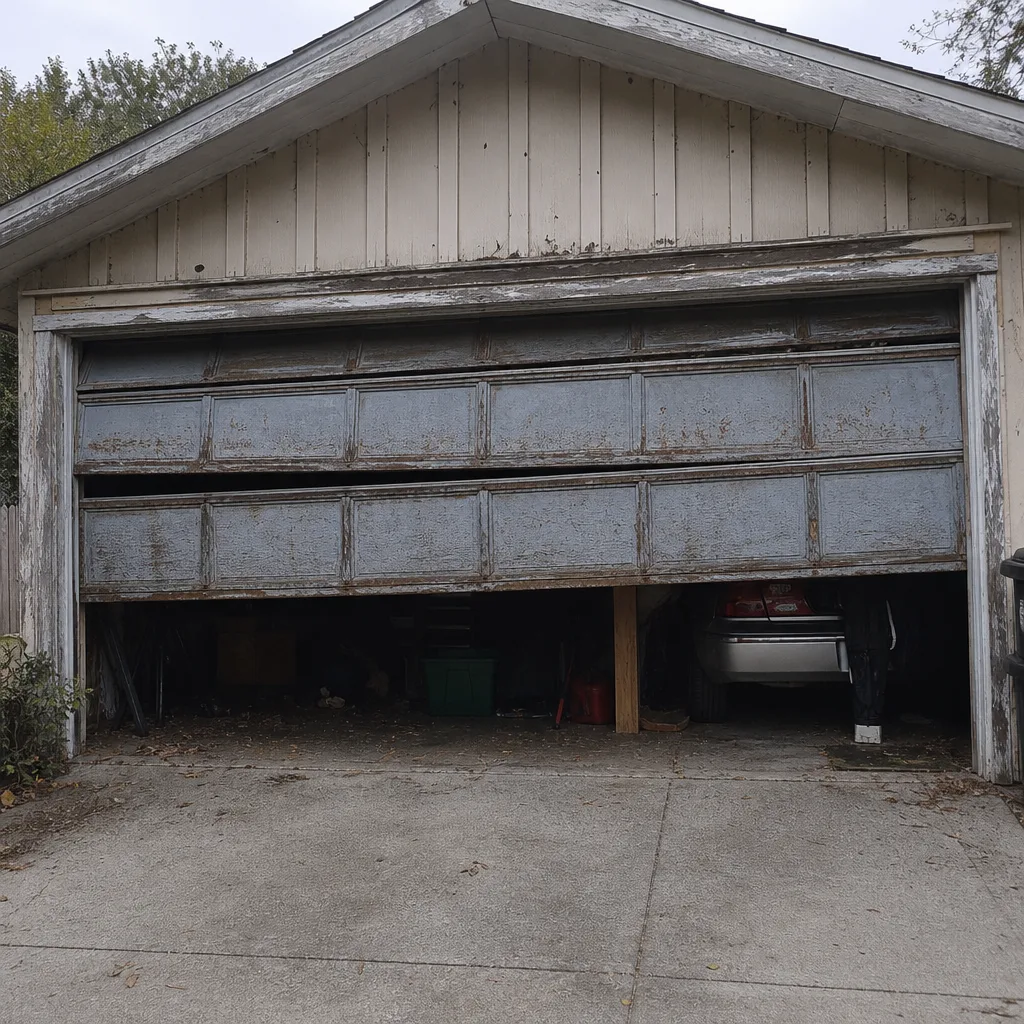 Before
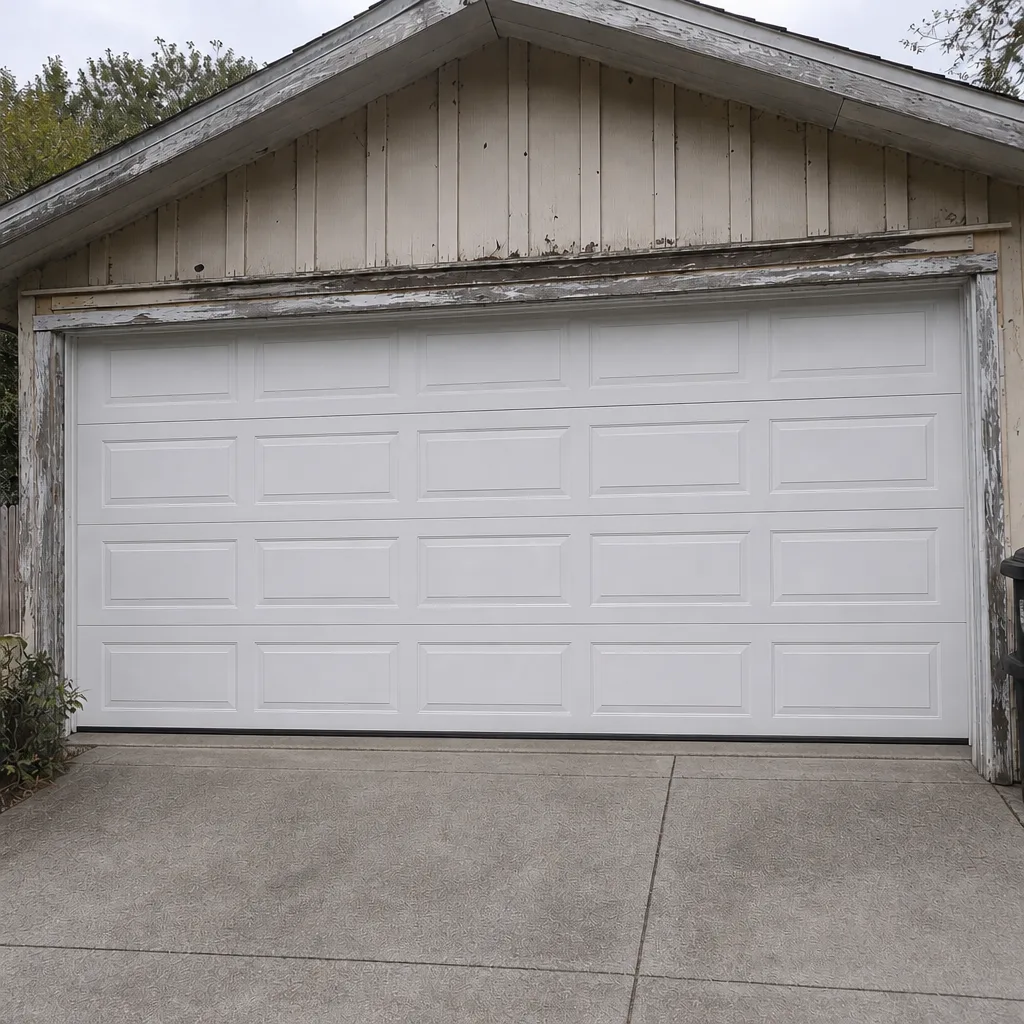 After
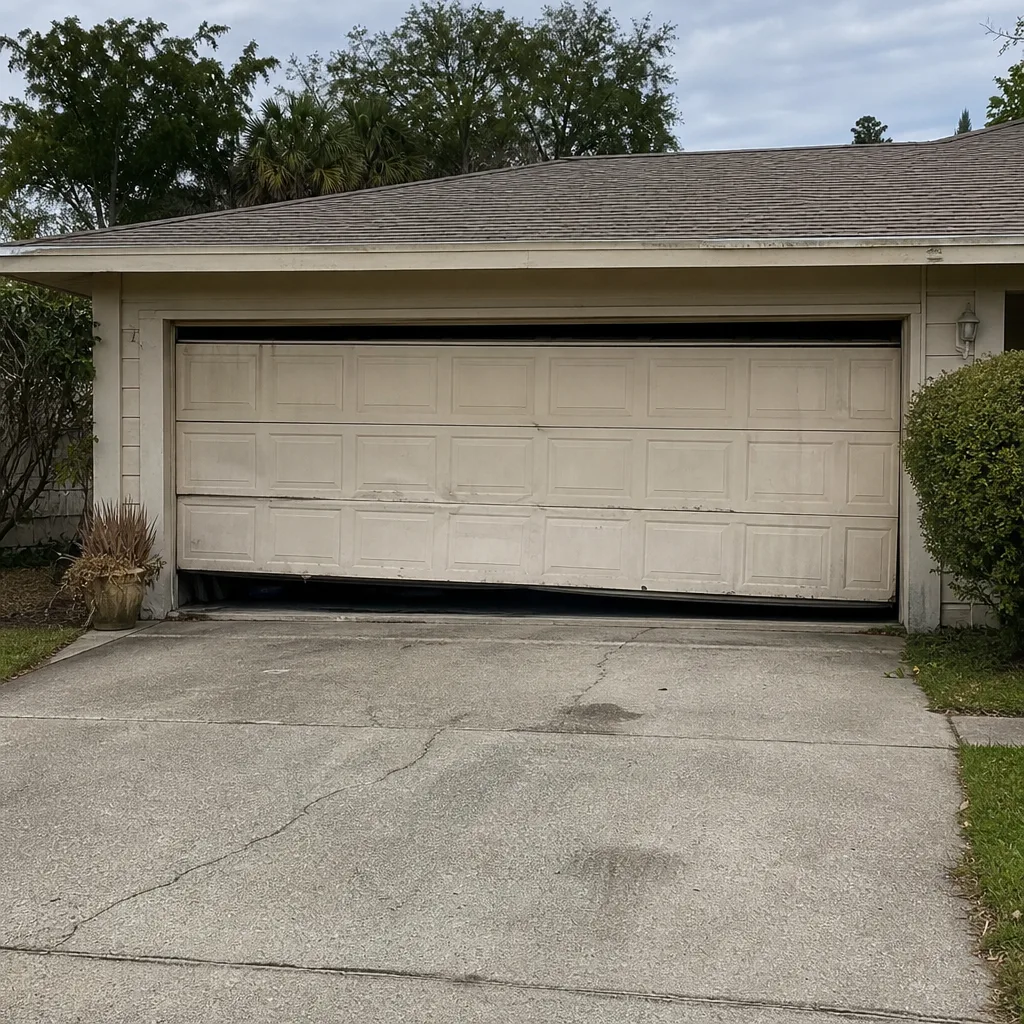 Before
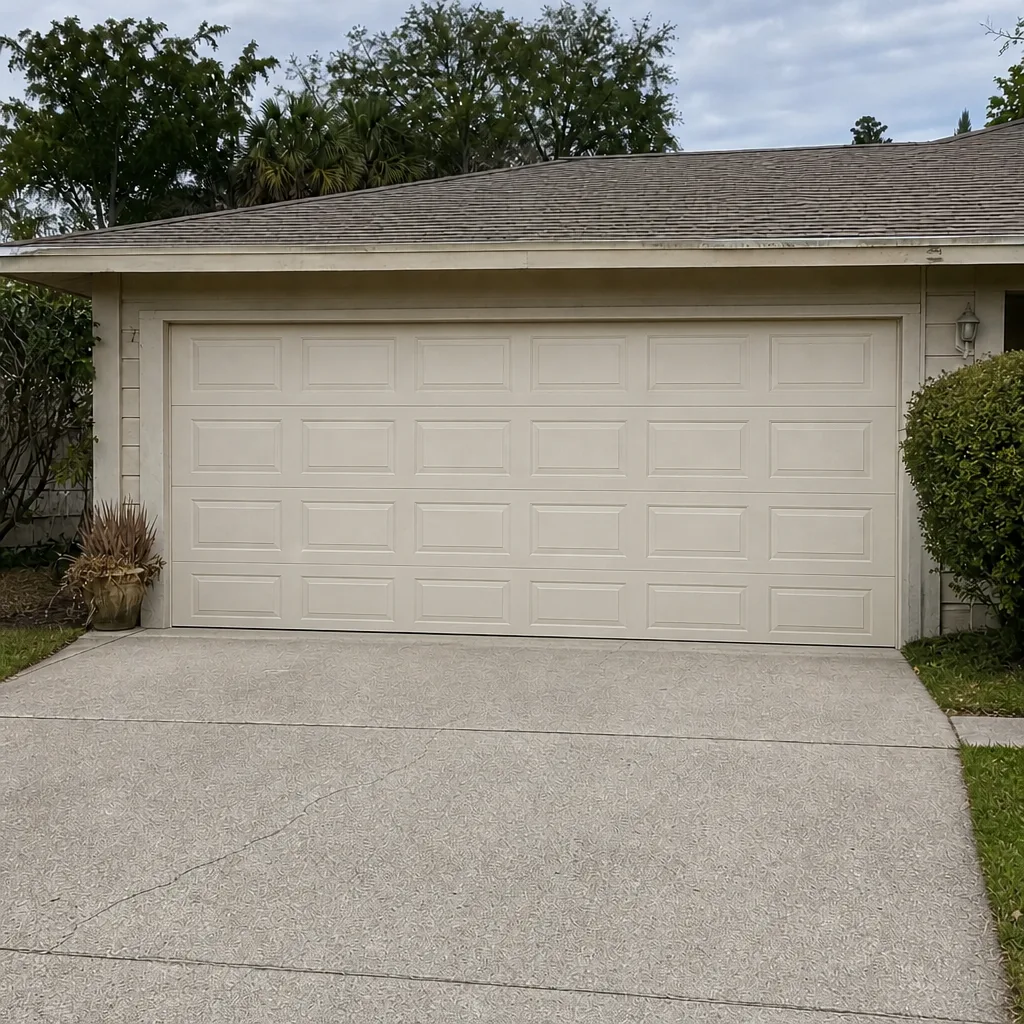 After
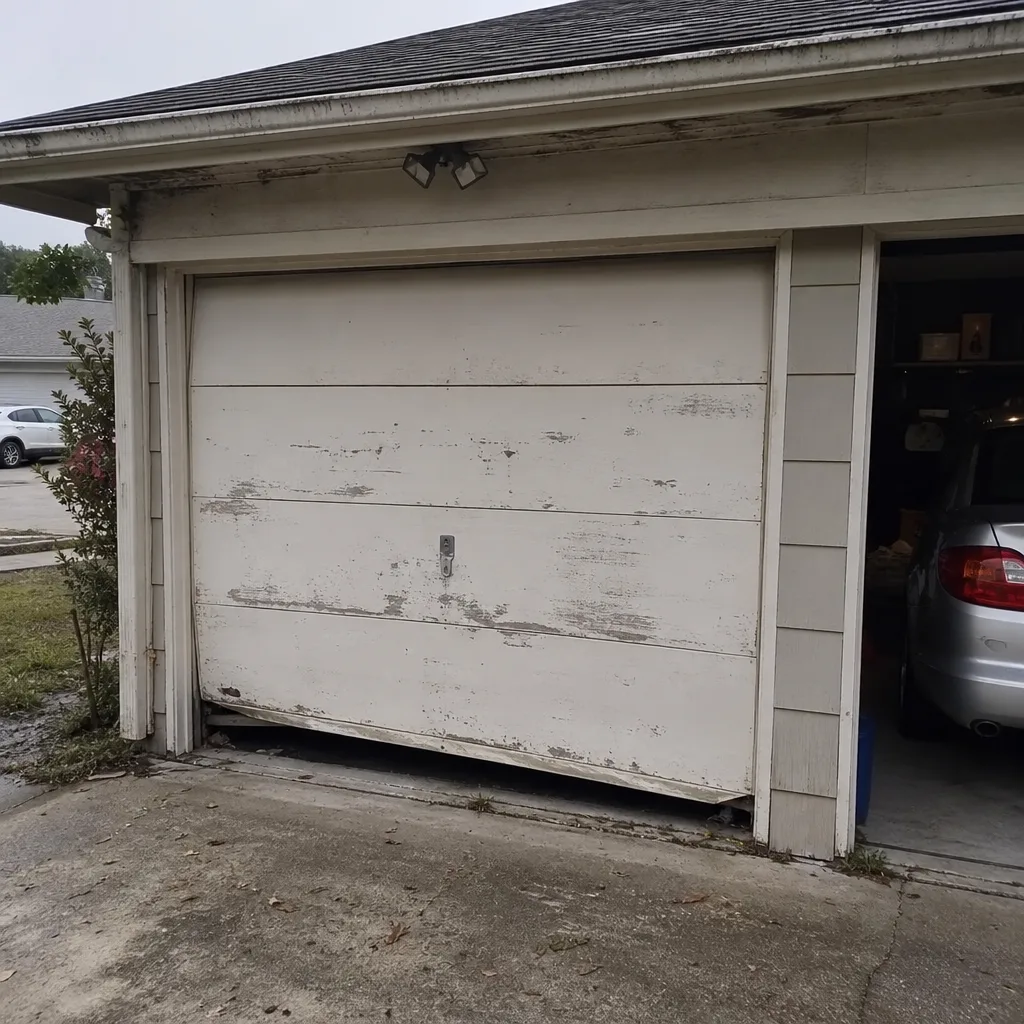 Before
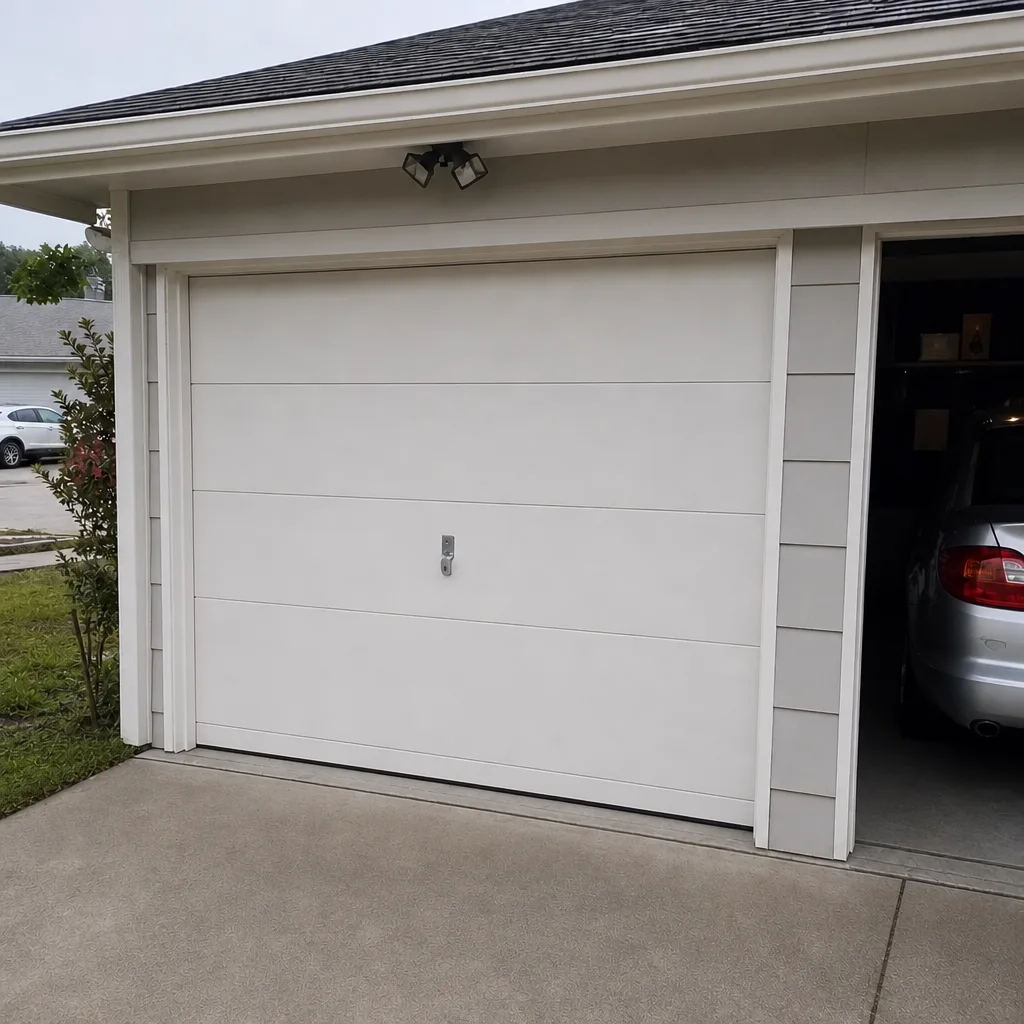 After
When to Call a Professional
Some things are fine to check yourself – a misaligned safety sensor, a dead remote battery, a door that’s just got a bit of grit in the track. But the moment the problem touches the spring system, the torsion assembly, the opener’s internal components, or installation work, it’s time for a trained professional. A broken spring, a door that slams down, a door that won’t stay closed, a garage door opener that runs but doesn’t lift the door – these are all situations where a generalist could make things worse, and where a specialist is worth the call. If your door has failed and you’re stuck, emergency service is a real service we offer – not a buried promise. When a door fails on a Saturday, call and we’ll book you for Sunday. Our technicians have up to 13 years of experience handling Melbourne garage doors, and we work across the brands you’re most likely to own. If you’re just starting the hiring process, we offer free estimates in Melbourne – call (877) 492-2051. We’ll give you a written quote before any work starts, so you know exactly what the job involves.
Frequently Asked Questions
Garage door installation and repair can legally be handled under more than one Florida contractor license classification, which is why license status alone doesn’t confirm a contractor is qualified for garage door work. What matters more is which classification they hold, whether their license specifically covers garage door systems, and whether they can answer technical questions about your specific door and opener. Ask directly and don’t accept “we’re fully licensed” as a complete answer.
A contractor qualified for torsion spring work will identify whether your system is torsion or extension before quoting, measure for the correct spring by door weight and cycle life, and recommend replacing a matched pair when one has failed. They’ll also balance-test the door and check the safety-reversing function after the job. If a contractor can’t explain those steps clearly, they shouldn’t be doing spring work. Call (877) 492-2051 and we’ll walk you through what a spring repair on your door actually involves – estimates are free.
Permit requirements for garage door replacement vary with the scope of work and wind-load considerations, so the correct answer is to ask the City of Melbourne building department directly for your specific project. What you can hold your contractor to is transparency about who pulls the permit and whether one is required. A contractor who tells you no permit is ever needed, without checking, is a red flag.
A general contractor may be licensed to perform garage door work but generally handles a broad range of projects; a garage door specialist does this work as their primary service. The practical difference shows up in brand familiarity, spring-system safety practices, wind-load installation experience, and whether the contractor can answer technical questions about your opener and door without hesitation. It’s worth asking which brands they work on – specific answers are a good sign.
Yes, in most cases. Torsion springs are installed as a matched pair and wear at the same rate, so replacing only the broken one usually leaves you with a second spring that’s about to fail. Replacing the pair in one visit is the standard practice because it’s safer and generally less expensive than two separate service calls. A specialist will recommend this; a contractor focused on minimizing the quote may not.
A reliable quote is written and itemized: parts, labor, disposal of old components, and safety testing broken out as line items, with the price agreed before any work starts. It should also state the scope clearly enough that you can compare it against another quote line by line. A single number in a text message doesn’t give you that. Call (877) 492-2051 for a free estimate with a clear, itemized quote – that’s how the job should start.
The Bottom Line
Hiring a garage door contractor in Melbourne isn’t about finding the lowest bid or the most five-star reviews – it’s about confirming that the person on the job actually knows your door. Start with the license classification, then move to the five technical questions, then verify wind-load documentation before any installation. Expect a written, itemized quote, and don’t accept one that doesn’t make sense line by line. The specialist who passes these filters is worth the call. The one who dodges them is the one who’ll cost you more in the long run. If you’re ready to have that conversation with a team that works on LiftMaster, Chamberlain, Genie, Clopay, Amarr, Wayne Dalton, Craftsman, and Raynor systems, call (877) 492-2051 for a free estimate. Our technicians have up to 13 years of experience, our emergency service is available when your door can’t wait, and our written quote before any work starts is the price you pay.
Written by the team at Melbourne Garage Door Repair Pros.