Last updated November 23, 2026
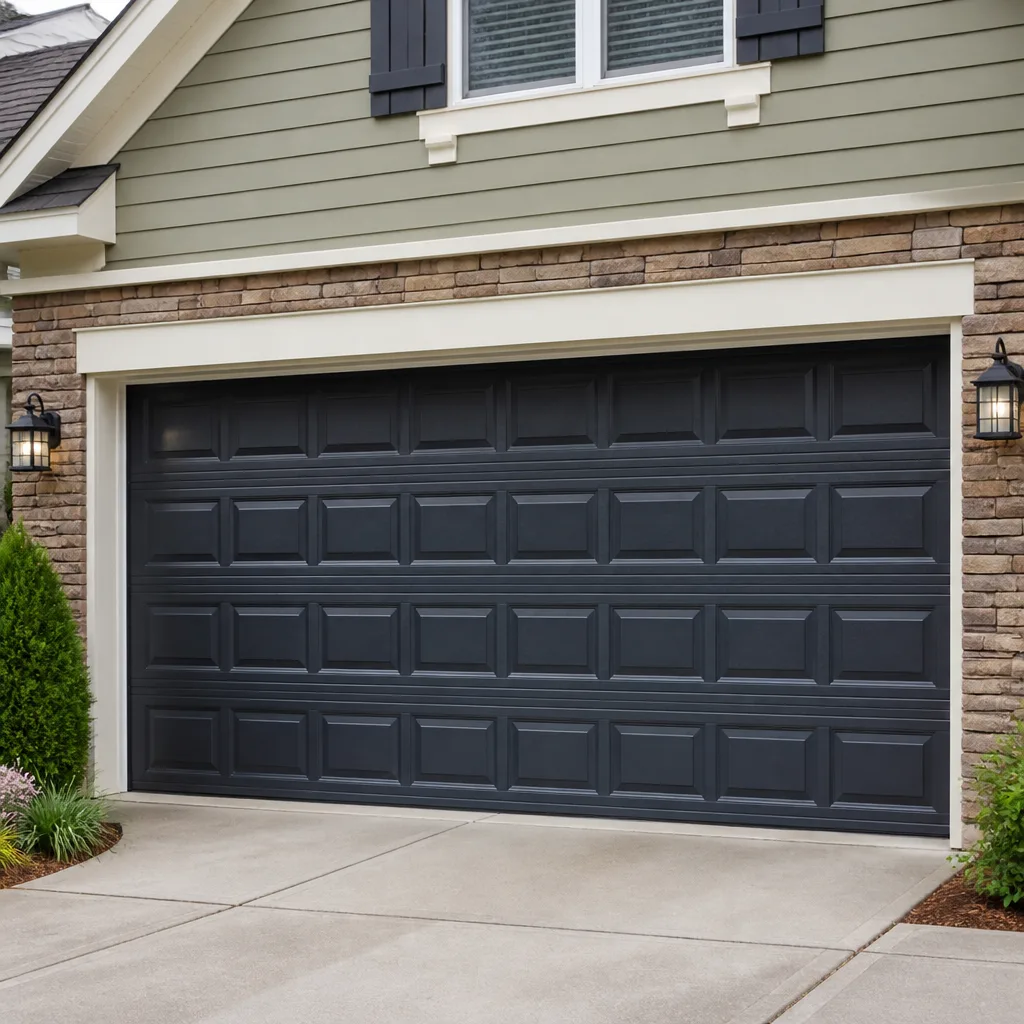 Raised-panel steel
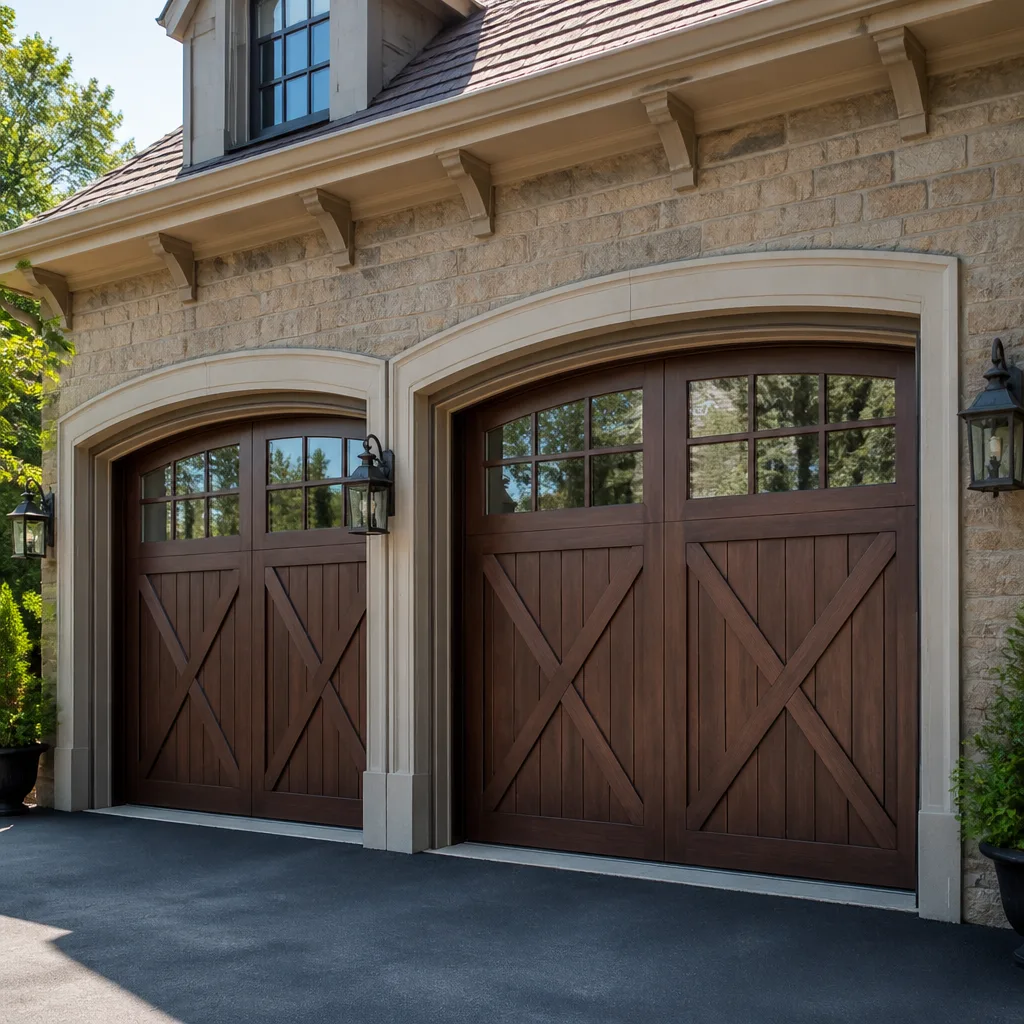 Carriage house
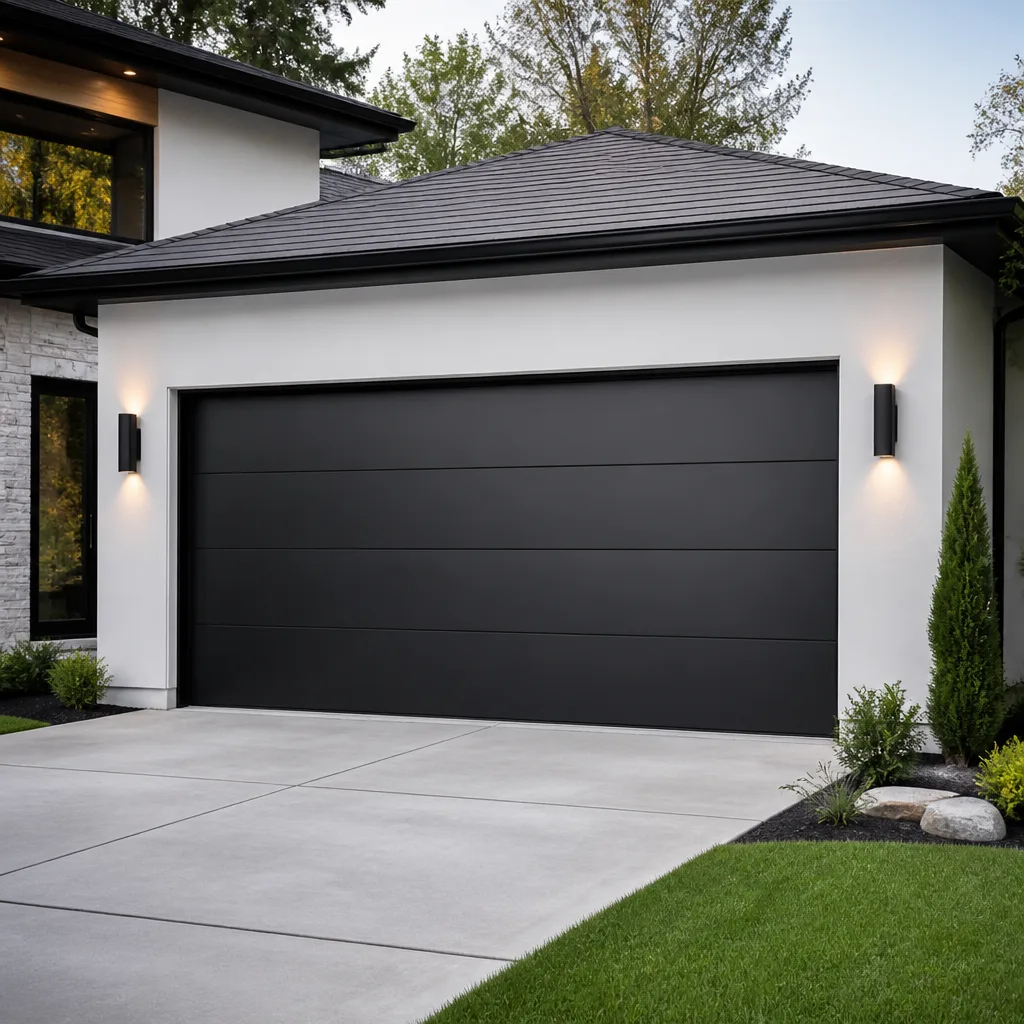 Modern flush
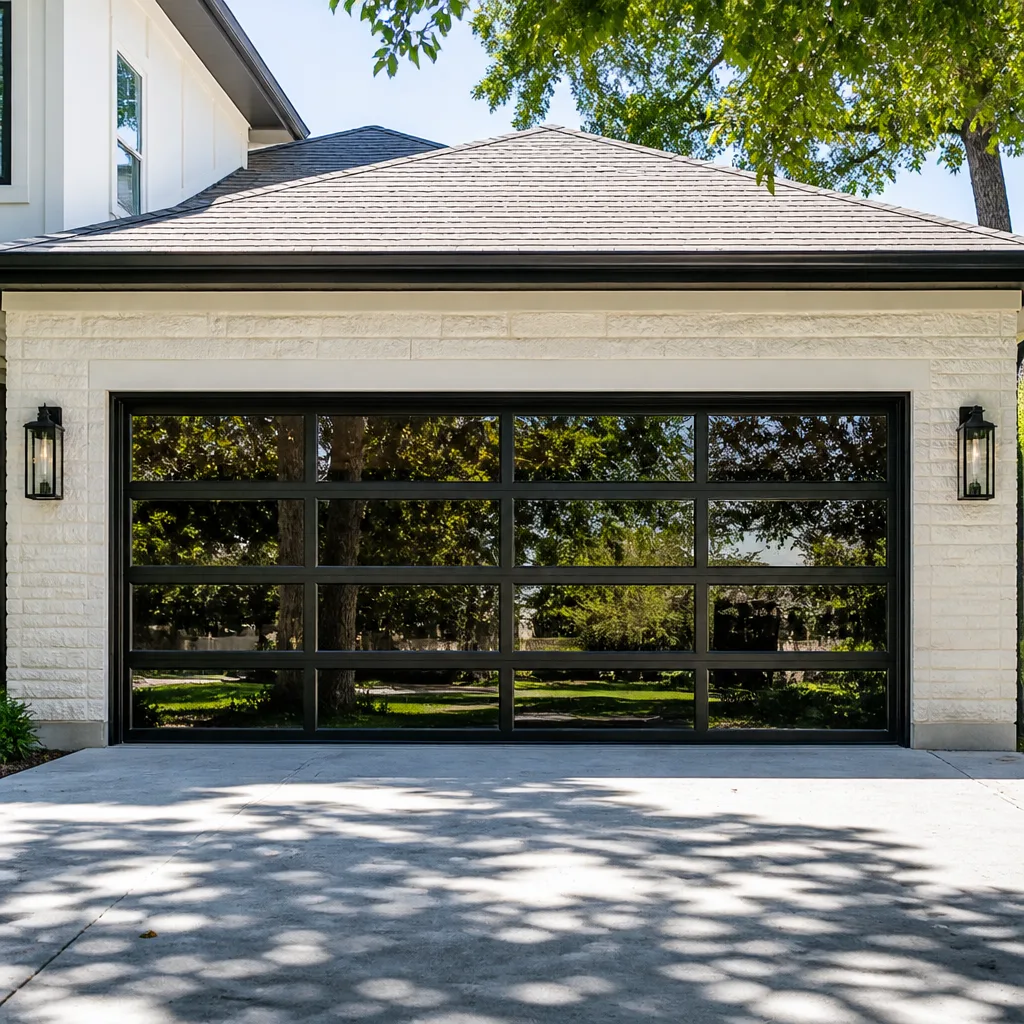 Full-view glass
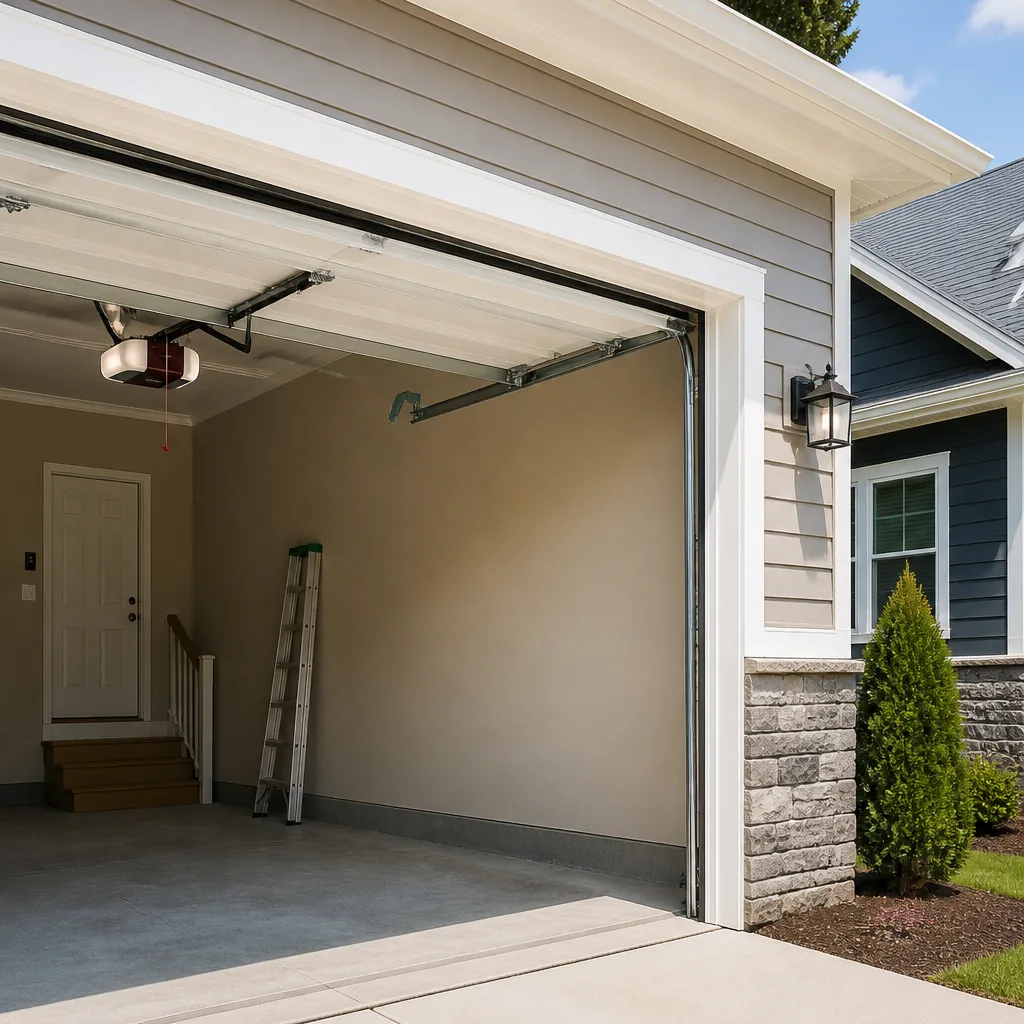 LiftMaster openers
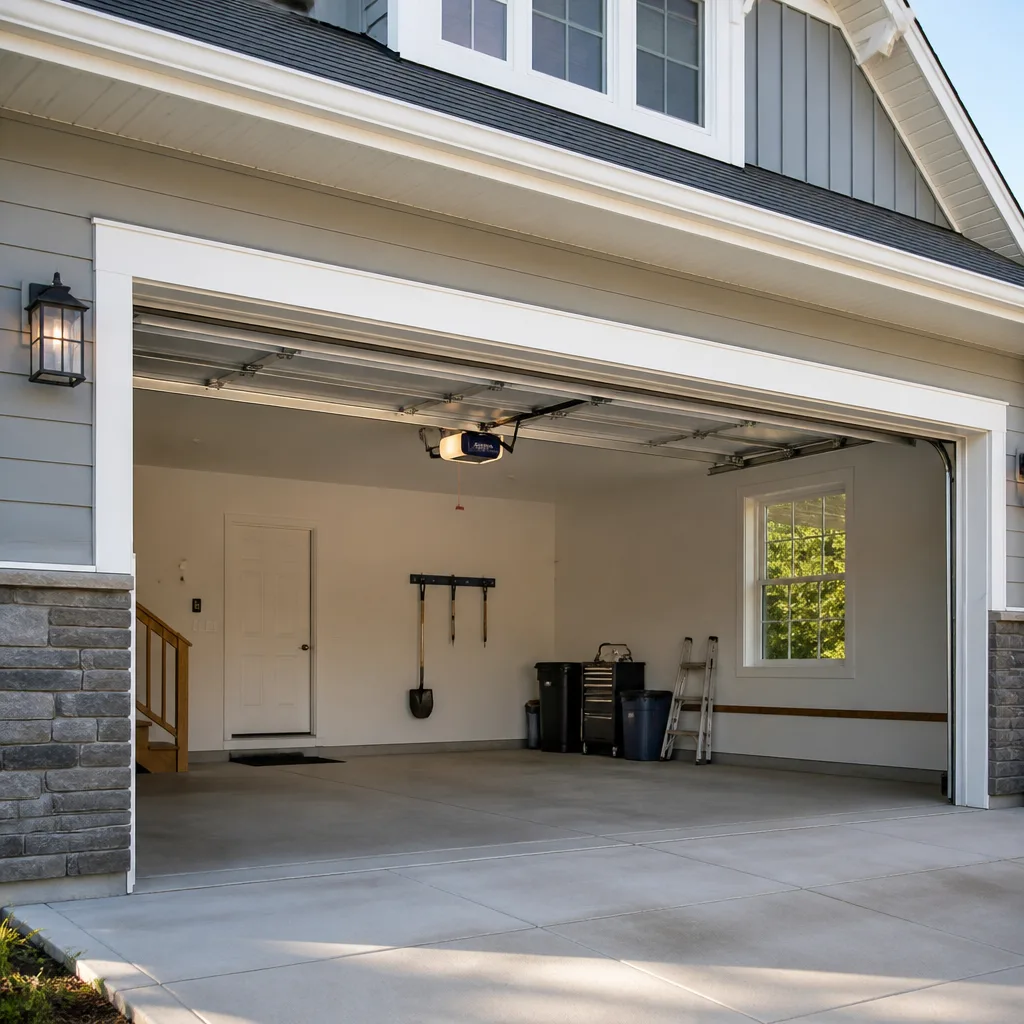 Chamberlain openers
Full 25-point door and opener safety check with every visit - springs, cables, rollers, tracks, and your LiftMaster or Chamberlain opener included
You get a price before we start. It does not change when the pro arrives.
Get your free estimateGarage Door Permits, Codes & Inspections in Melbourne, FL: What You Need to Know
Most homeowners assume a new garage door is a simple swap: the old panel comes off, the new one goes on, and nobody from the city needs to be involved. That assumption is where a lot of trouble starts in Melbourne. A garage door replacement is a structural and wind-resistance modification to your home, and depending on the scope of the work, it can require a permit and an inspection before the door ever goes up. Skipping that step can surface years later, usually at the worst possible moment, like a home sale or an insurance claim. This guide walks through exactly when a permit applies in Melbourne, what the wind-load rules mean for your door, how the inspection works, and who is actually responsible for pulling the paperwork. You’ll finish knowing what to ask before anyone touches your garage.
Quick Answer
In Melbourne, FL, replacing a garage door with a different size, model, or wind rating generally requires a building permit and a final inspection, while a straight like-for-like swap of the door panel only may not. Because garage doors in this part of Brevard County must meet Florida wind-load requirements, the door and its track and anchoring are treated as part of the building’s wind envelope. The safest move is to call the City of Melbourne’s building department before work begins and confirm the permit threshold for your specific project.
Styles & brands we work with
- Raised-panel steel
- Carriage house
- Modern flush
- Full-view glass
- LiftMaster openers
- Chamberlain openers
Table of Contents
- When Does a Garage Door Project in Melbourne Need a Permit?
- Florida Building Code and Wind-Load Compliance in Brevard County
- What the Garage Door Inspection Process Looks Like
- How Unpermitted Garage Door Work Affects Insurance and Resale
- Who Pulls the Permit: Contractor or Homeowner?
- Openers, Electrical, and a Second Set of Rules
- How to Choose a Garage Door Contractor Who Handles Permits
When Does a Garage Door Project in Melbourne Need a Permit?
The short version: any garage door change that alters the door’s size, its wind rating, its attachment to the framing, or the way it closes against the opening is the kind of work that typically triggers a permit in Melbourne. A pure cosmetic replacement, where the new door matches the old one in dimensions and rating and reuses the existing anchoring, usually does not. That line can be blurry, and it’s the reason a phone call ahead of time matters more than a guess.
Projects that commonly require a permit include:
- Installing a wider or taller garage door, which means cutting or reframing the opening.
- Switching from a standard door to a wind-rated or impact-rated model, since the rating has to be documented.
- Replacing a door after storm damage when the new door’s specification differs from what’s on file.
- Changing track, header, or spring anchoring hardware as part of a replacement.
- Adding a new garage door where there wasn’t one, such as converting a carport opening into a closed garage.
Projects that are usually exempt: repainting, replacing rollers, swapping a bottom seal, or installing a new opener on an existing door (though see the opener section below for a separate electrical note). Even in the exempt cases, if a contractor tells you “no permit needed” without looking at your door’s rating label, ask them to put that in writing. In our experience, the answer changes the moment the spec sheet is compared to what’s on the home’s original permit history.
Because requirements shift and the City of Melbourne’s building department is the final authority on your specific address, treat this list as a starting framework and confirm directly. It’s a five-minute call that can save you a very expensive problem down the road. If your door needs repair rather than replacement first, start with garage door repair and we’ll help you figure out whether the fix crosses into permit territory.
Florida Building Code and Wind-Load Compliance in Brevard County
Florida’s building code treats your garage door as part of the wind-resistant envelope of the house, and that’s the single biggest reason garage door work in Melbourne draws a permit. Brevard County sits in a wind speed zone where the exterior openings, including the largest opening in most homes, have to be rated and installed to resist uplift and horizontal pressure. Every major door manufacturer publishes a wind-load rating and a set of approved installation details for its products. That paperwork is what an inspector uses to verify the install.
What that means in practice:
- Your new door needs a label or documentation showing it’s rated for your home’s wind requirement.
- The reinforcement hardware, track anchoring, and header attachment have to match the manufacturer’s published details for that rating.
- The installed product has to be identifiable at inspection, usually through a permanent label on the door or a spec sheet provided with the permit.
- If the rated door is installed with unrated or undersized anchors, the whole assembly fails the requirement, no matter how good the door looks.
This is where brand fluency matters. LiftMaster and Chamberlain openers are common in Melbourne homes, and doors from Clopay, Amarr, Wayne Dalton, and Raynor each come with their own installation engineering. A contractor who works across those brands knows where the wind-load sticker lives on each model, which reinforcement struts the manufacturer requires, and how to hand a clean package to the inspector. That’s the difference between a one-visit approval and a correction notice that sends everyone back to the house.
None of this is guesswork you need to solve alone. Check with the City of Melbourne’s building department to confirm the wind requirement for your specific address, since exposure and structure type can shift the number. Then make sure any door you’re considering carries documentation that matches.
What the Garage Door Inspection Process Looks Like
Once the permit is issued, the work happens, and then a municipal inspector verifies it. For garage door replacements, the visit is usually a final inspection after installation. The inspector is looking at whether the installed door and hardware match the approved documents and whether the door meets the wind-resistance and safe-operation requirements. The homeowner typically needs to be reachable if the inspector needs entry, but the contractor who pulled the permit is usually the one coordinating the appointment.
What gets flagged most often in our experience:
- No visible wind-rating label on the door or its documentation missing from the permit package.
- Track anchoring that doesn’t match the manufacturer’s required spacing or hardware.
- A door rated lower than the wind requirement for the address.
- Improper safety hardware on the opener, such as a missing or misaligned photo-eye installation.
- An unpermitted framing change that wasn’t on the approved plan.
The inspection itself is typically quick. A well-prepared install passes in one visit because the permitted documents already reflect what’s on the house. If something is flagged, the contractor corrects it and the inspection is rescheduled; the correction is usually a hardware or paperwork fix, not a door replacement.
One thing worth understanding: an inspection is not a service call. The inspector isn’t there to tune your opener or adjust the travel limits. That work is your contractor’s job, best done before the inspection so the door is running correctly when someone looks at it. If your opener is misbehaving after a new install, that’s a separate call to garage door opener repair, not something the inspection will resolve.
How Unpermitted Garage Door Work Affects Insurance and Resale
An unpermitted garage door replacement is, from a records standpoint, an undocumented structural change to your home. That matters in two places homeowners least expect: insurance claims and resale. When you file a claim after a storm and the adjuster finds a door that doesn’t match your permitted records, the door may not be treated as a covered, code-compliant improvement. The claim can be reduced, delayed, or disputed while everyone sorts out what was actually installed. It’s not a penalty for the door itself; it’s the missing paperwork.
On the resale side, the story is similar. A home inspection, or a title or permit search conducted during the transaction, can flag the door as an unpermitted modification. Buyers’ lenders want to see that major exterior changes were permitted. When they aren’t, the seller is often the one absorbing the cost of retroactive permitting, correction, or reinspection, and the closing timeline can slip. The fix is almost always possible, but it’s the kind of thing that should have been handled at installation.
This is why we treat the permit question as part of the job, not an afterthought. If you’re planning a replacement and want it done right the first time, our team can walk through the scope with you before anything is ordered. See how we handle it under garage door installation. The permit paperwork is straightforward when it’s planned; it’s the cleanup that’s painful.
Who Pulls the Permit: Contractor or Homeowner?
Legally, the permit can often be pulled in either the contractor’s name or the homeowner’s, but the practical answer is that the party doing the work should be the one pulling it. When a licensed contractor pulls the permit, the records name the person responsible for compliance, which is exactly what you want if anything is questioned later. When a homeowner pulls the permit as an owner-builder, the homeowner takes on that responsibility, including making sure the install matches code and coordinating the inspection. That’s a big shift in liability for what should be a routine door replacement.
Here’s the split, in plain terms:
- Contractor’s job: confirm whether a permit is required, pull it, order a door with the right wind rating for the address, install to the manufacturer’s details, and coordinate the final inspection.
- Homeowner’s job: verify the contractor actually pulled the permit, keep the permit number and final inspection card with your home records, and be available if the inspector needs access.
- Shared: communicate about any change in scope. A “small” change mid-project, like a different door model, can mean the permit documents no longer match the install.
If a contractor says “the permit isn’t needed” and can’t explain why, in our experience the correct answer is to get a second opinion before signing. And if you’re unsure whether the door you want qualifies for a permit at all, that’s exactly the kind of question a specialist who works on doors every day can answer without guessing. When your door won’t open or won’t stay closed and the repair is urgent, keep in mind that emergency work still needs to be done correctly; a licensed local pro knows the difference between a stopgap and a fix. We specialize in garage door repair and can advise on the permit question as part of the scope.
Openers, Electrical, and a Second Set of Rules
Garage door openers get their own note here because they can pull in a second set of requirements. Adding a new opener or replacing an old one often involves a new outlet or wiring change, and that electrical work can fall under separate permit rules from the door itself. On older Melbourne homes with existing wiring, a residential electrical permit may or may not be required depending on the scope of the change. The door permit and the electrical permit are different things, so “I already have a door permit” doesn’t automatically cover the outlet installation.
There’s also a safety layer that inspectors and manufacturers both care about. Openers need working photo-eye safety sensors, and installation details like the header bracket have to match the opener’s manual. We work across the brands homeowners here actually own, including LiftMaster, Chamberlain, Genie, and Craftsman, so the opener installation detail matches what the inspection expects. Modern smart-drive openers are just as straightforward to document as older models when the install is done to spec.
If you’re only replacing the opener and not the door, ask up front whether the electrical side of the job triggers its own permit for your address. The City of Melbourne building department can tell you, and it’s a fast question. Getting the answer before you install is much easier than discovering a missing electrical permit during a future sale.
How to Choose a Garage Door Contractor Who Handles Permits
The right contractor for a Melbourne garage door replacement is the one who leads with the permit question before you lead with the price. Here’s a simple way to screen:
- Ask, “Will this need a permit?” A contractor who answers with a specific yes-or-no based on your door’s spec and your address is the one you want. A blanket “no permits needed” is a red flag.
- Ask who pulls the permit. The answer should be the contractor, in their name, and they should be able to explain how you’ll get the permit number and inspection card.
- Ask for the door’s wind rating. A real specialist can tell you which rated model fits your home and point you to the manufacturer’s details for the install.
- Check for the safety conversation. A door with a spring repair or spring replacement involved is one of the more dangerous jobs on a home. We flag it because it’s real: springs store enormous energy and can injure someone who doesn’t know what they’re doing. Ask if your contractor treats spring work as a safety-critical service.
- Confirm the written estimate. You should have the door, hardware, permit scope, and any opener work quoted and agreed in writing before work starts, so the price doesn’t surprise you at the end.
That last point matters to us. The written estimate is the price. When a scope change is necessary, you should hear about it before it becomes an invoice line, not after. If you’re comparing bids and one of them is significantly cheaper, look hard at whether a permit, the rated door, or the right anchoring is included. Roofs and doors both sit in the wind envelope, and cutting corners here shows up on the paperwork sooner or later.
Common Mistakes to Avoid
- Assuming replacement equals no permit. A new door that changes the size, rating, or anchoring is not the same as a panel swap, and in Melbourne that difference is what triggers the permit. Ask before you order.
- Letting a contractor pull a permit in your name. The permit should be in the contractor’s name so they own the compliance paperwork. When it’s in yours, so is the responsibility.
- Not keeping the permit records. File the permit number, final inspection card, and door spec sheet with your home documents. A future buyer or claims adjuster will ask for them.
- Skipping the wind-rating check. A door that’s rated below the requirement for your address can fail inspection even if it looks identical to the old one.
- Treating the opener as an afterthought. New opener wiring can pull in a separate electrical requirement, so confirm both the door and the electrical side are covered.
- Ignoring the safety hardware on the inspection. Missing or misaligned photo-eye sensors are one of the most common reasons a final inspection gets flagged, and they’re simple to check.
- Assuming a cheap quote is a bargain. A bid that leaves out the permit, or uses an unrated door to save money, shifts the cost and the risk to you.
See the difference
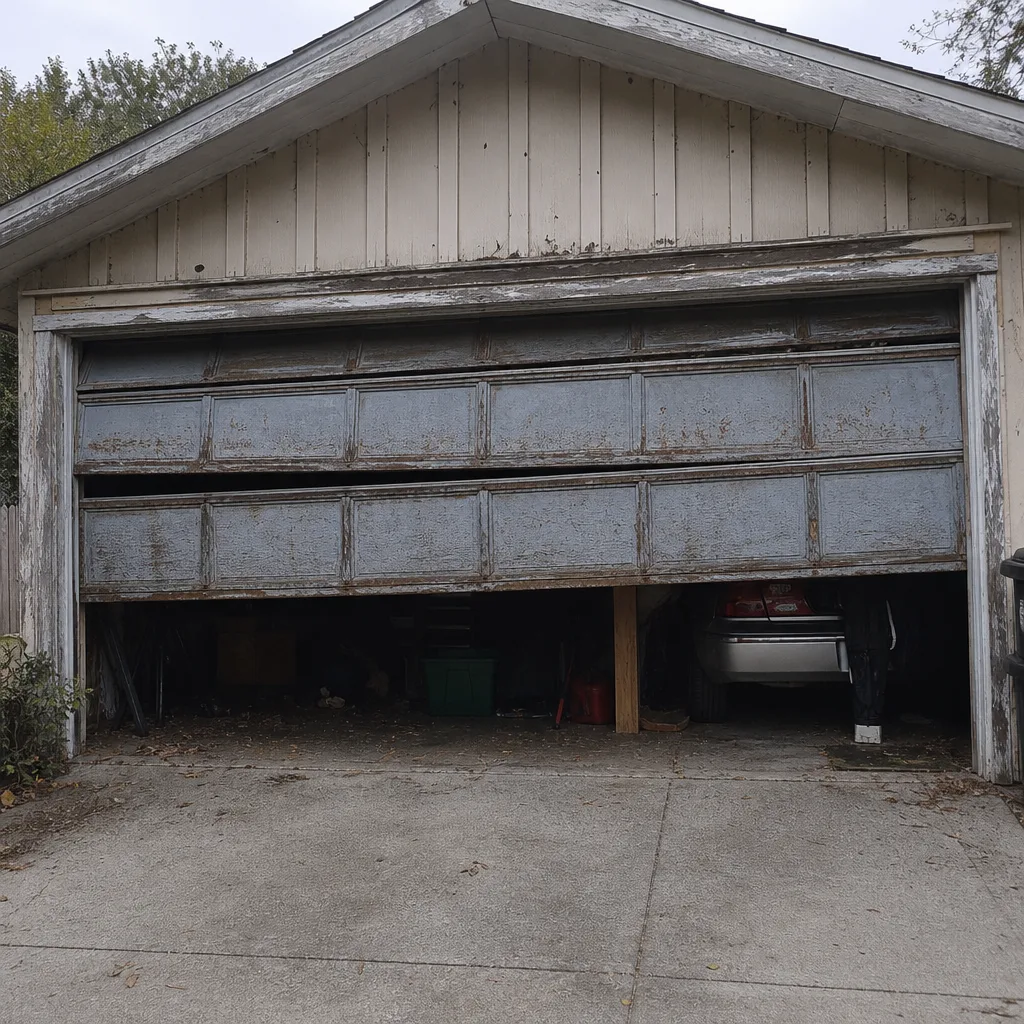 Before
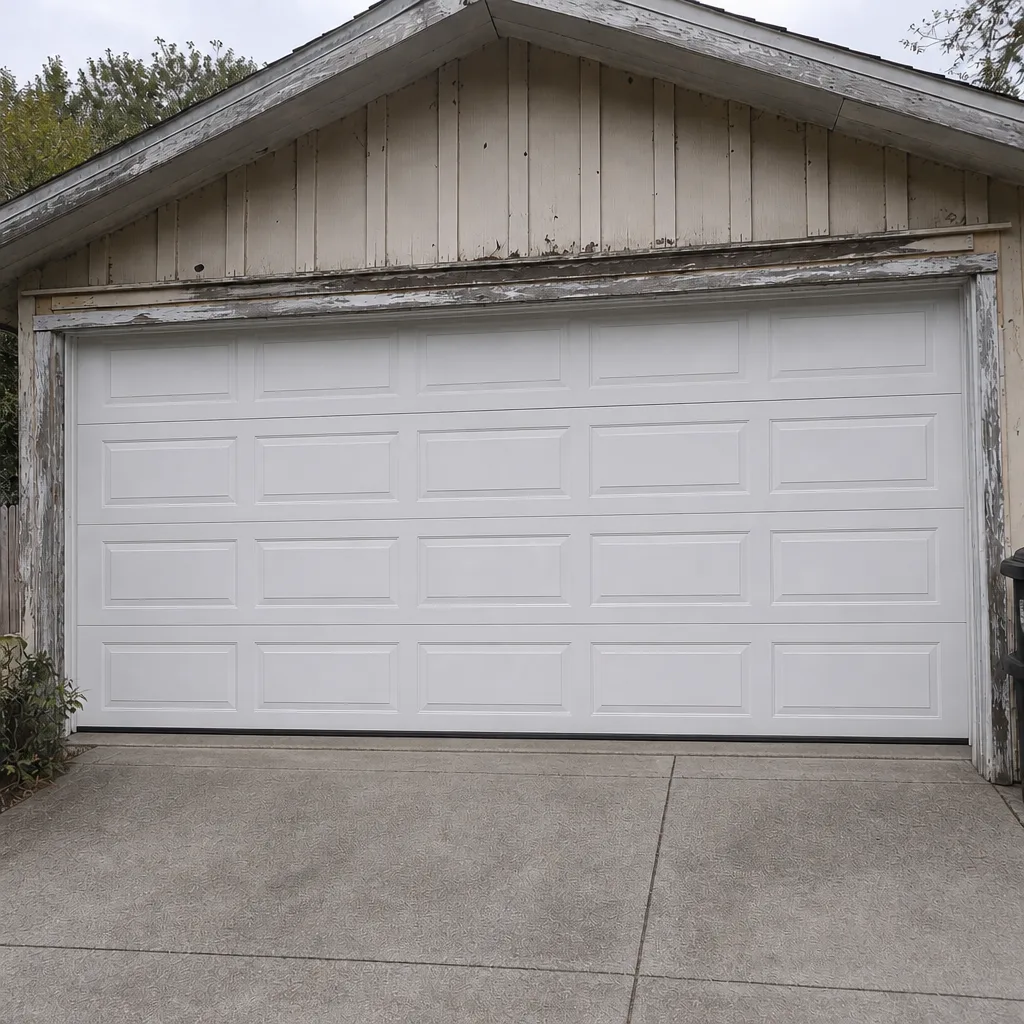 After
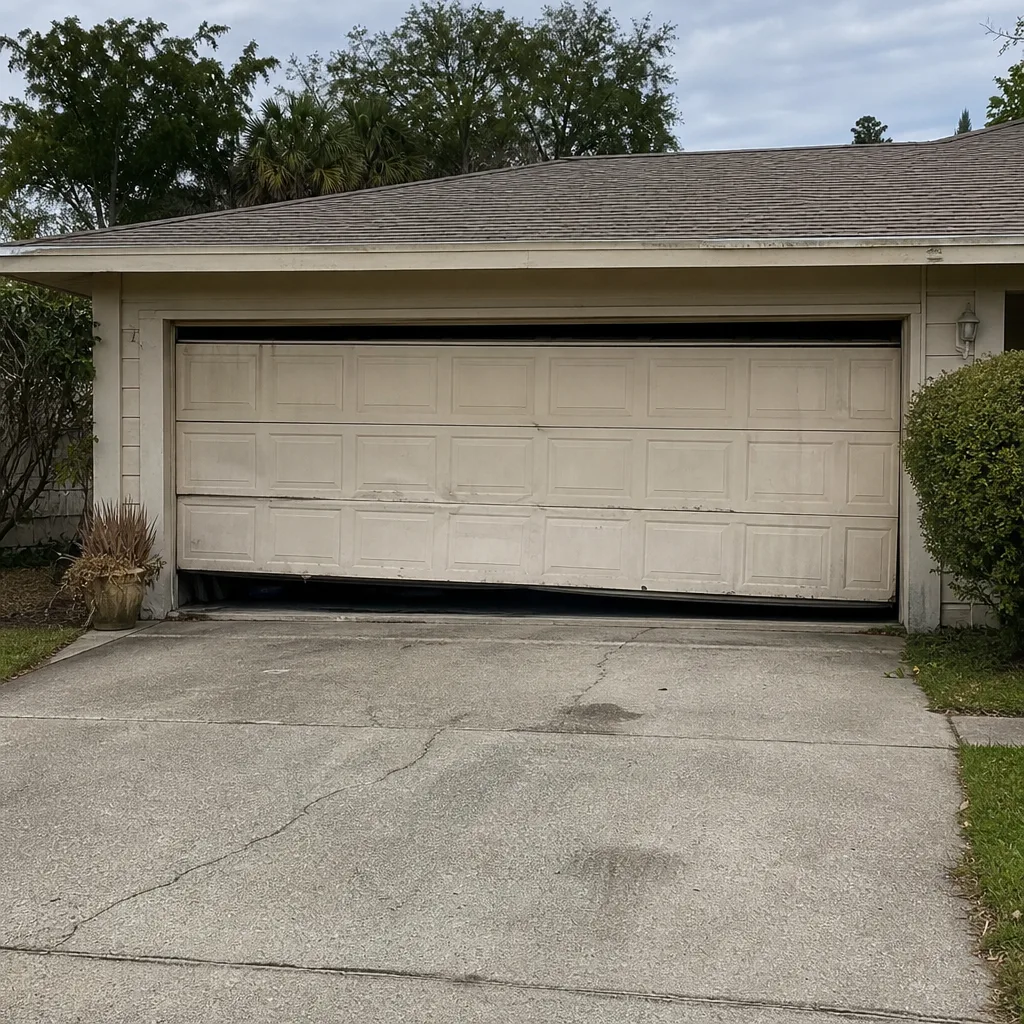 Before
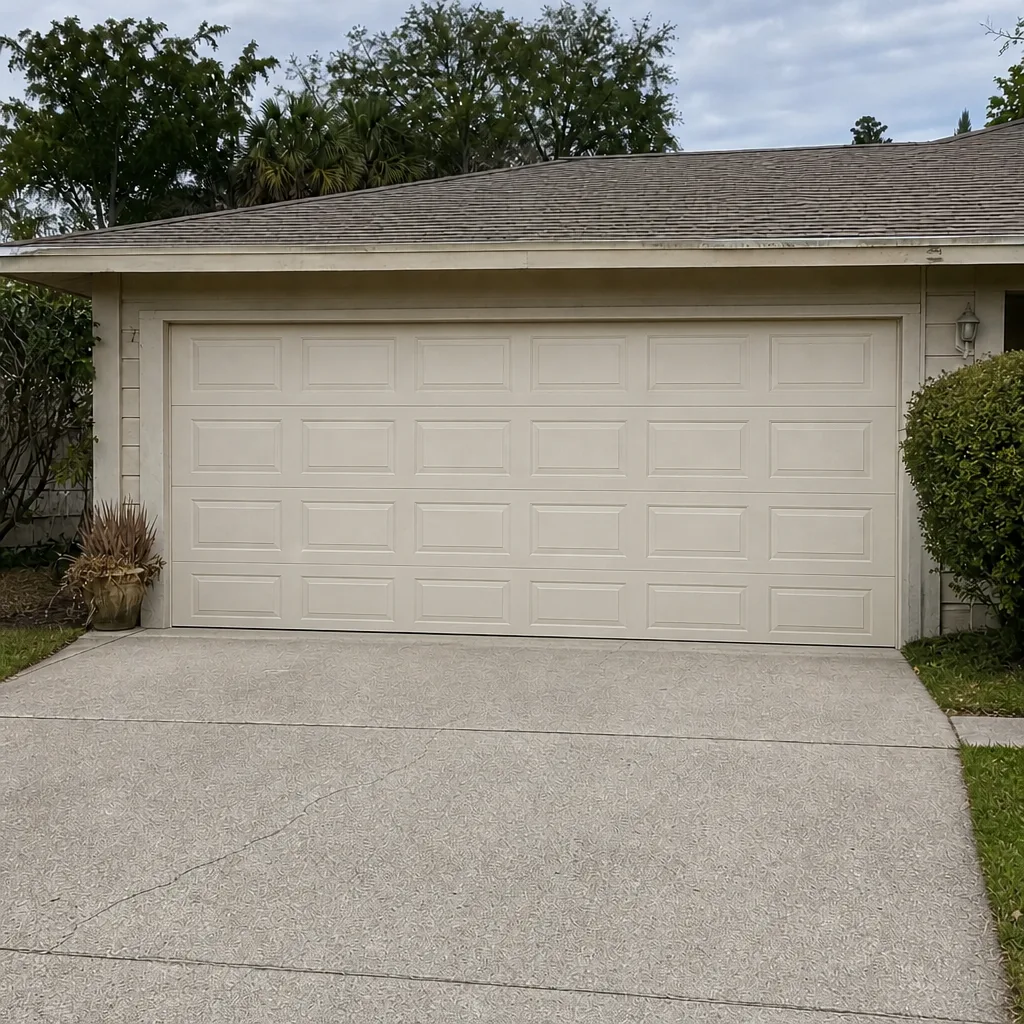 After
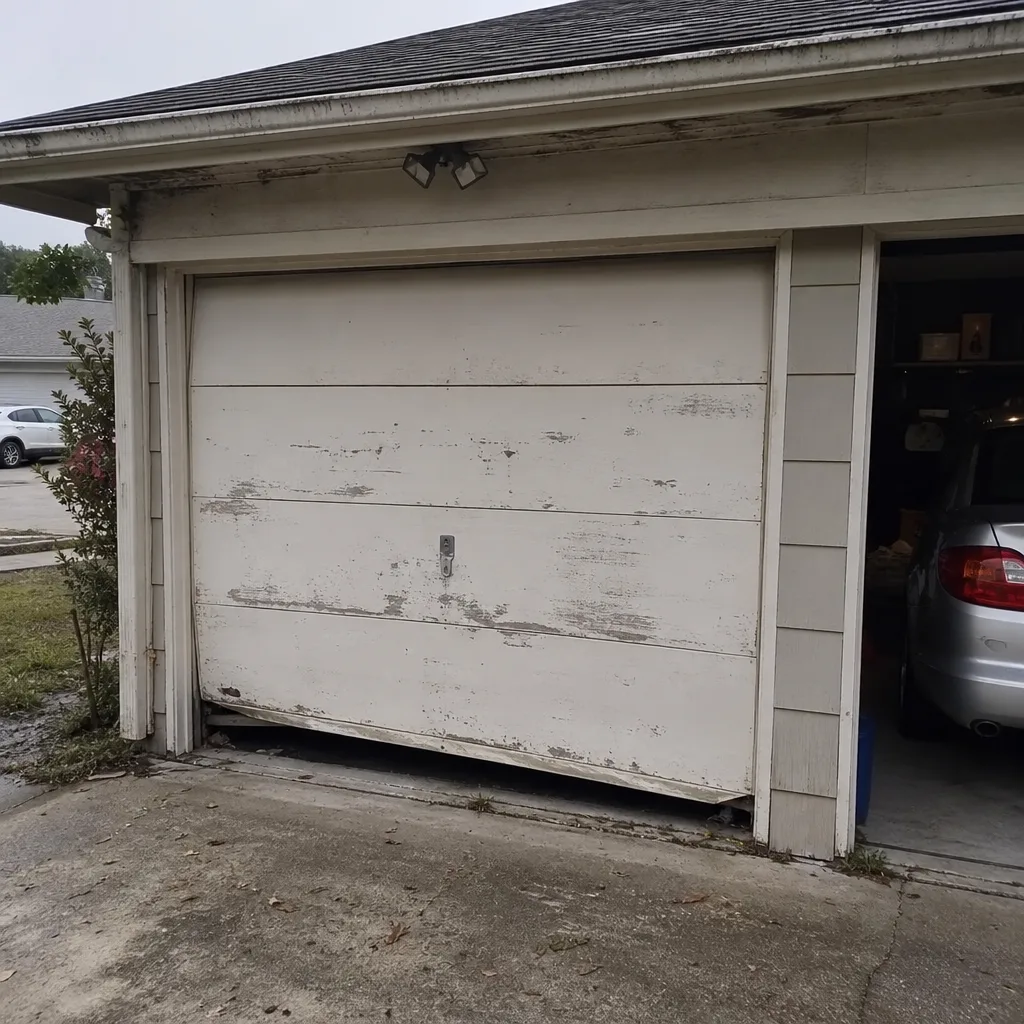 Before
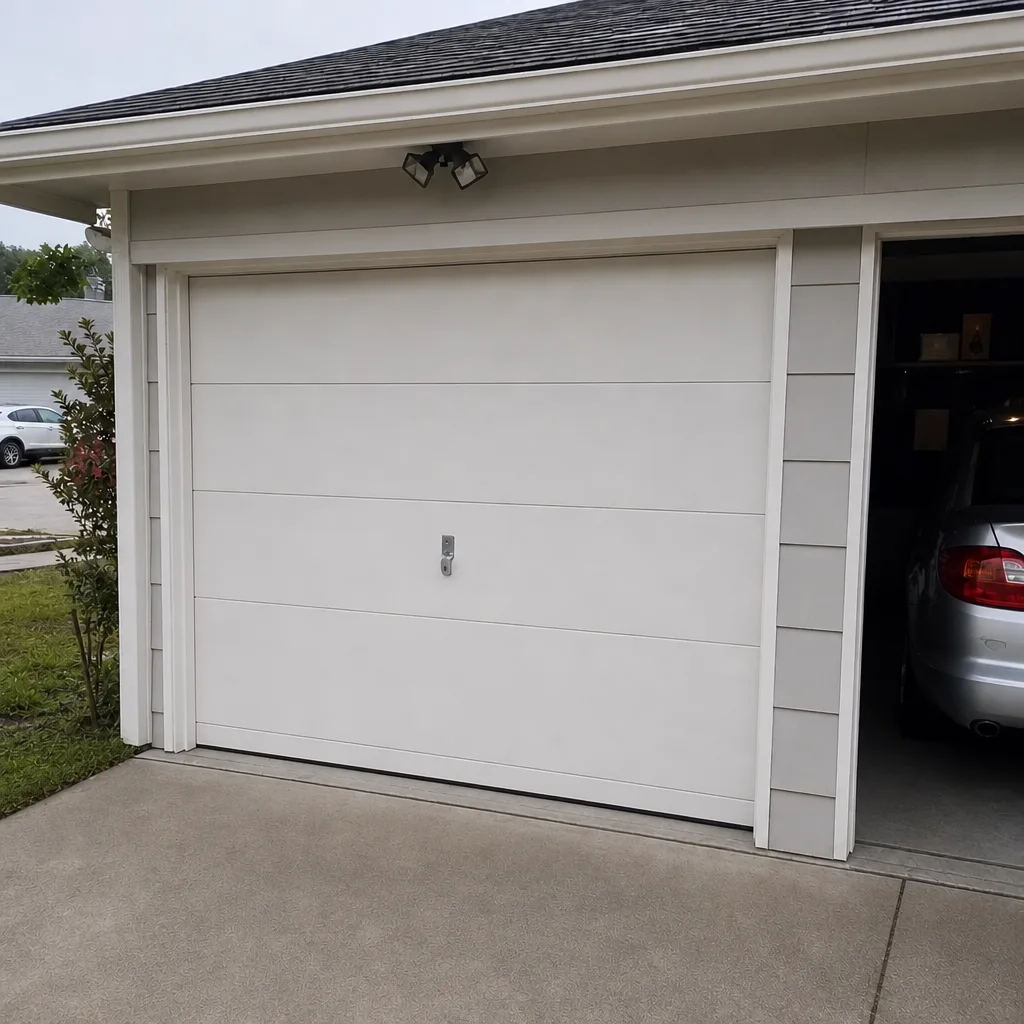 After
When to Call a Professional
Call a professional if you’re planning a garage door replacement and want to know whether a permit applies before you commit. Call if a contractor told you no permit is needed but you’re not sure, or if you’re buying or selling a Melbourne home and don’t have the permit records for your door. Call if your door was installed without documentation and you’re worried about how it affects insurance or a future sale. And call if a spring has failed or an opener has stopped responding, because spring work and opener repairs are the parts of garage door service we don’t recommend tackling without training. Melbourne Garage Door Repair Pros offers free estimates in Melbourne and can walk through the permit scope, the right wind-rated door, and the installation details with you. Call (877) 492-2051 to get started, and we’ll help you sort out the paperwork before anyone touches the door.
Frequently Asked Questions
It depends on the scope of the work. A straight like-for-like panel swap may not require one, but a replacement that changes the door’s size, model, wind rating, or anchoring generally does require a permit and a final inspection. Confirm the threshold for your specific address with the City of Melbourne’s building department before ordering, and make sure any contractor you hire can explain why the permit does or doesn’t apply. If you’re unsure, call (877) 492-2051 for a free estimate and we’ll help you sort out the scope.
The requirement is set by Florida’s building code based on your specific address, exposure, and structure, so there isn’t one single number that applies to every Melbourne home. What’s consistent is that your new door must carry a wind rating that meets the requirement, and the install hardware must match the manufacturer’s published details for that rating. Ask your contractor for the door’s wind rating and its installation documents. For a free estimate and a review of which rated models fit your home, call (877) 492-2051.
A municipal inspector attends, usually for a final inspection after the door is installed. The inspector verifies that the installed door and hardware match the permitted documents and that the wind-resistance and safe-operation requirements are met. The contractor who pulled the permit typically coordinates the appointment. Common flags include a missing wind-rating label, anchoring that doesn’t match the manufacturer’s details, and missing opener safety sensors. If you need help getting a door inspection-ready, call (877) 492-2051.
It can. When a claim involves a door that doesn’t match the permitted records, the adjuster may treat the door as an undocumented modification, which can reduce, delay, or complicate the claim while the install is verified. Keeping the permit and final inspection card with your home records prevents that scenario. If your door was installed without documentation and you’d like to understand your options, call (877) 492-2051 for a free estimate.
Retroactive permitting is often possible, but it depends on your city’s process and on whether the installed door can still be verified as compliant. It usually means additional review, possible correction of hardware, and a new inspection, all of which can add time and cost during a resale or refinance. It’s far easier to build the permit into the project from the start. If you’re facing a retroactive situation in Melbourne, call (877) 492-2051.
Sometimes. A new opener often involves an outlet or wiring change, and that electrical scope can fall under different permit rules from the door itself, depending on the scope of the change and the existing wiring. Confirm with the City of Melbourne’s building department before installation. Our team works across LiftMaster, Chamberlain, Genie, and Craftsman openers and can help you scope the electrical side. Call (877) 492-2051 for a free estimate.
The Bottom Line
In Melbourne, the garage door is not just a convenience; it’s part of your home’s wind envelope, and the paperwork around it matters more than most homeowners expect. A replacement that changes the door’s size, rating, or anchoring generally needs a permit and a final inspection, the door has to match Florida’s wind-load requirement for your address, and the contractor should be the one pulling the permit in their name. Skipping that step can surface later in an insurance claim or a home sale, and the cleanup is rarely cheap. Before you order a door, call the City of Melbourne’s building department to confirm the threshold, get the permit and inspection card into your records, and hire the contractor who asks about the permit before you do. That’s the whole job done right.
If you’re ready to plan a replacement or want a specialist to review your door and the permit scope, Melbourne Garage Door Repair Pros is here to help. We work across the brands you’re likely to find in Melbourne, from LiftMaster and Chamberlain openers to Clopay, Amarr, Wayne Dalton, Raynor, and Craftsman doors, and we handle spring repair, opener work, and full installation. Our technicians have up to 13 years of experience. Call (877) 492-2051 for a free estimate, and let’s get the details right the first time.
Written by the team at Melbourne Garage Door Repair Pros.