Last updated November 23, 2026
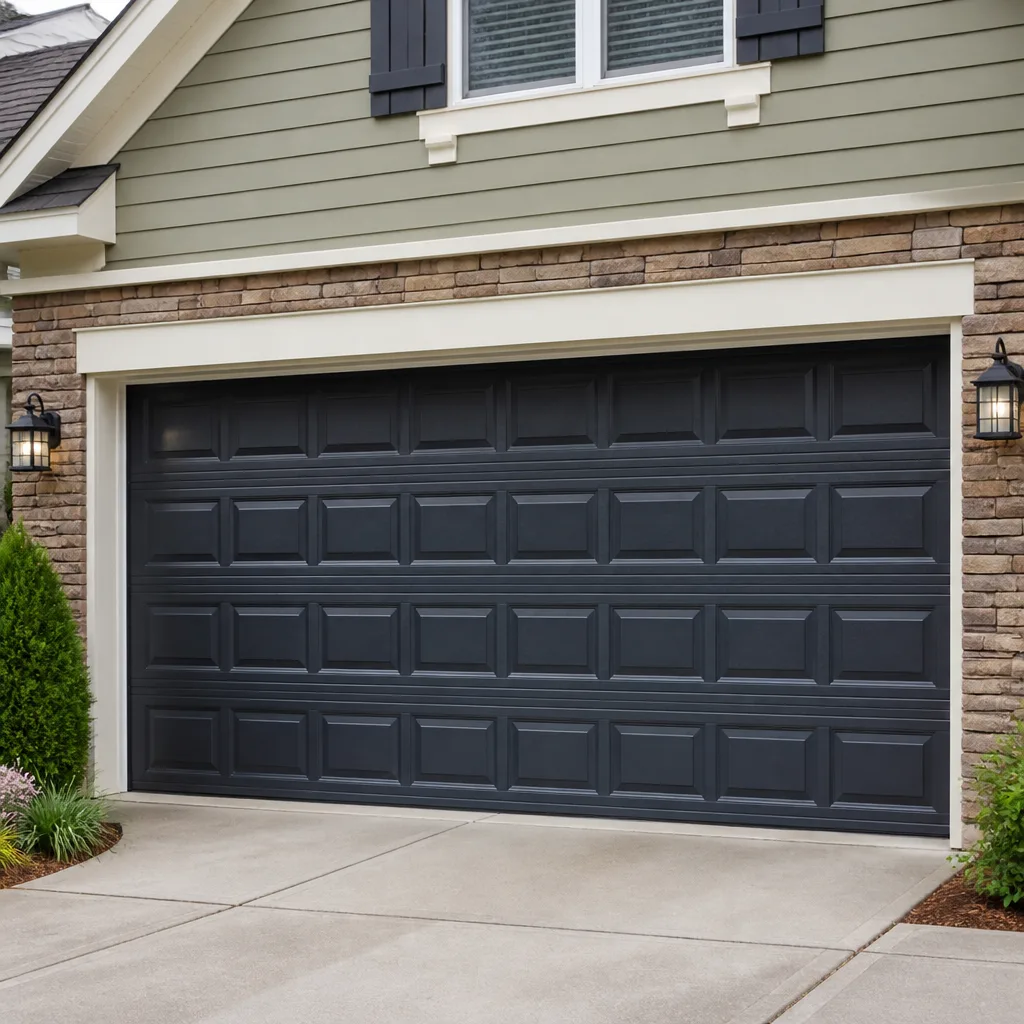 Raised-panel steel
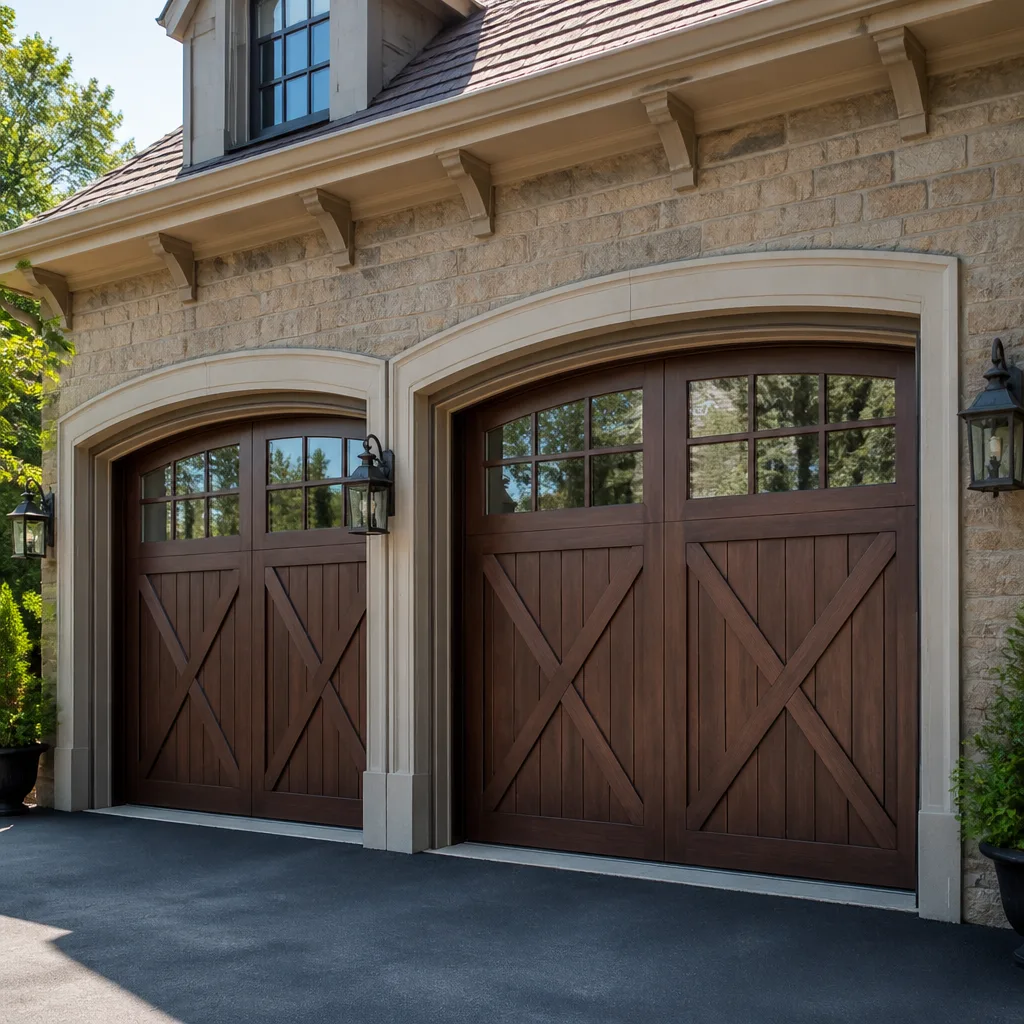 Carriage house
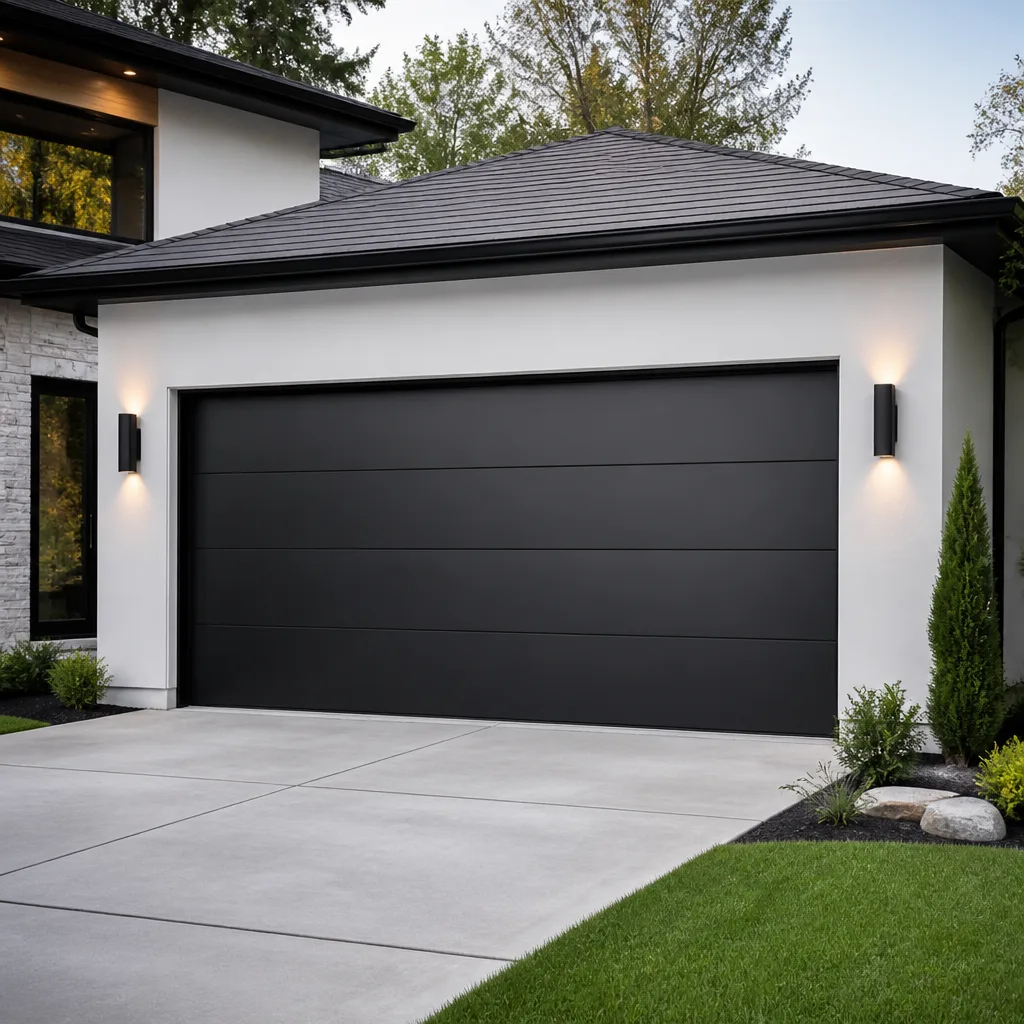 Modern flush
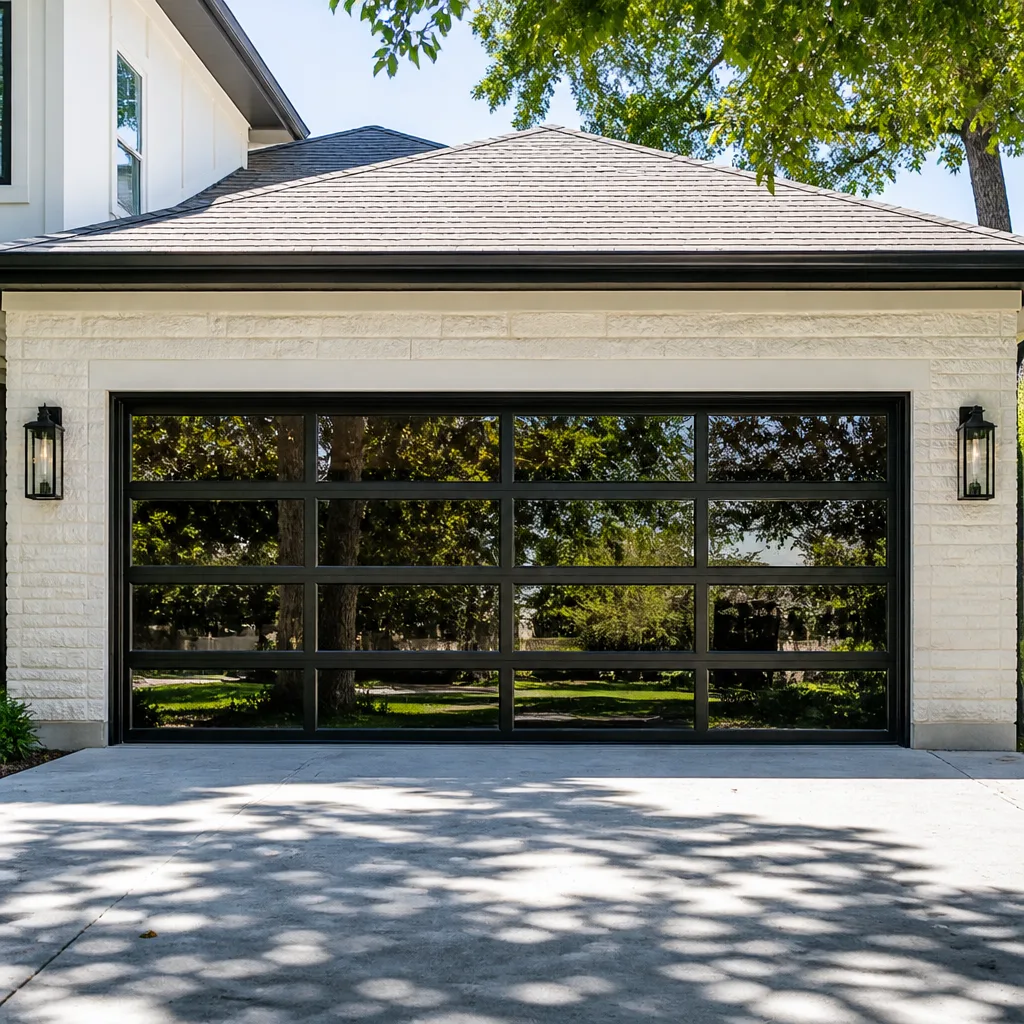 Full-view glass
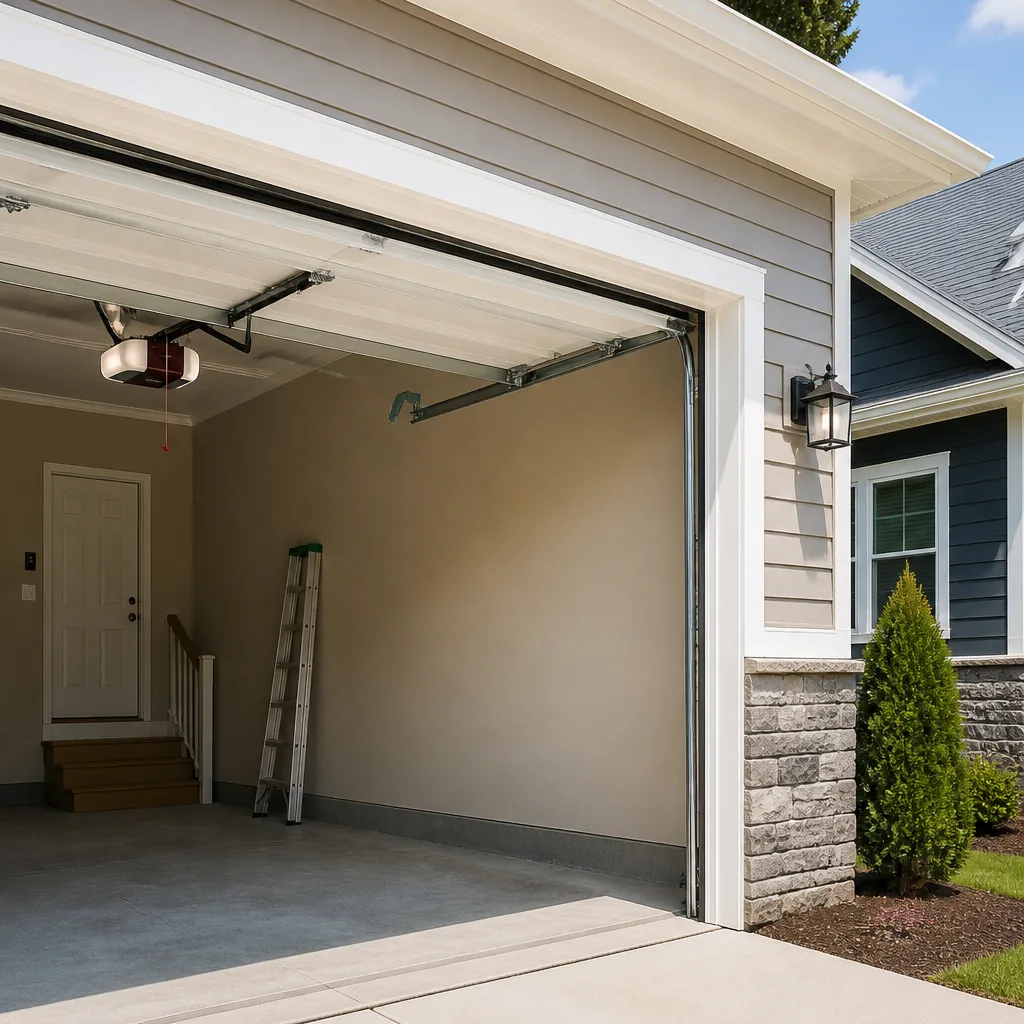 LiftMaster openers
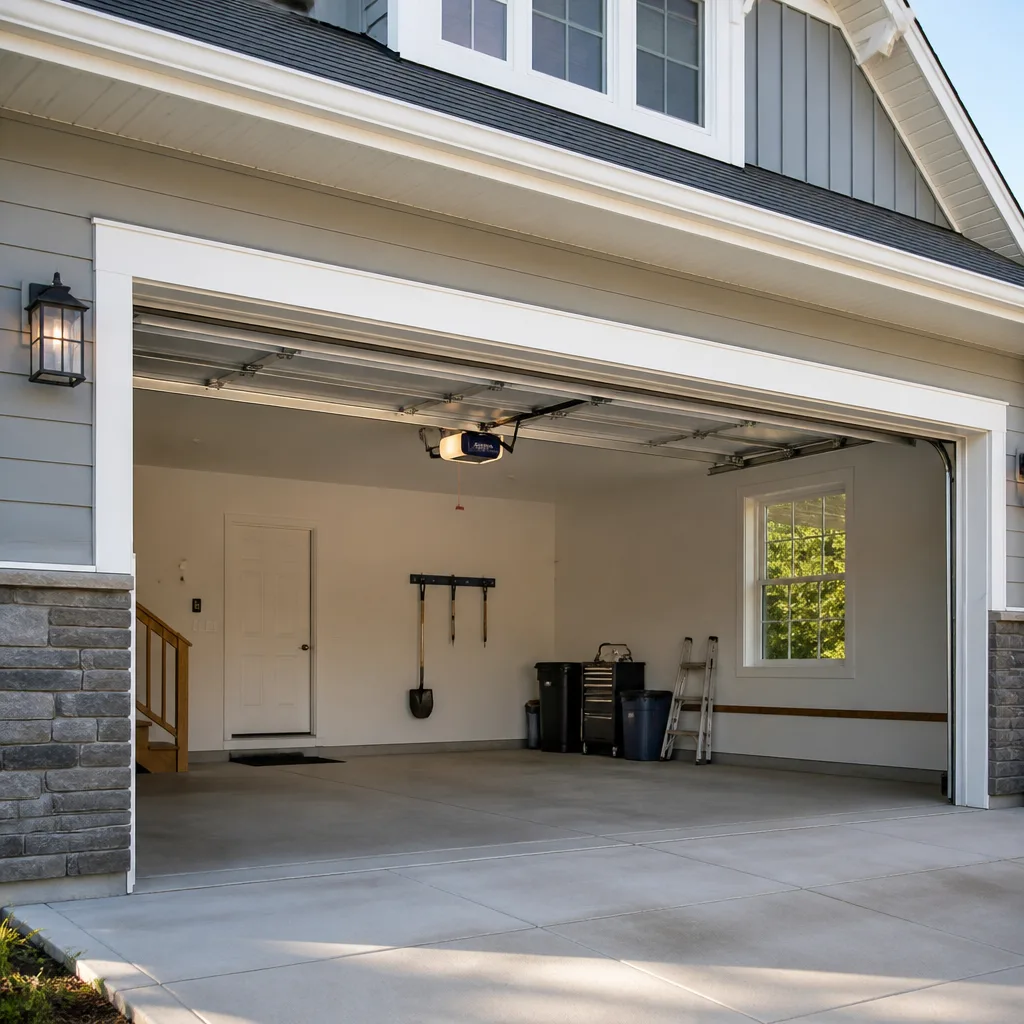 Chamberlain openers
Full 25-point door and opener safety check with every visit - springs, cables, rollers, tracks, and your LiftMaster or Chamberlain opener included
You get a price before we start. It does not change when the pro arrives.
Get your free estimateGarage Door Warning Signs: A Melbourne Homeowner’s Reference Guide
Most garage door guides start at the end of the story: the door won’t open, the spring snapped, the opener hums and nothing moves. By then you’re not diagnosing anything – you’re calling for emergency repair. The useful information comes earlier. A garage door rarely fails without warning. It grinds, jerks, reverses, slows down, or starts leaving a fine orange dust on the rails weeks before something lets go. Catching those signals early is the difference between a quick adjustment and a full replacement. This guide walks through what each symptom actually points to, which fixes are simple, and which ones you shouldn’t touch. It’s written for Melbourne homeowners who use their garage every day and want to stay ahead of the breakdown instead of reacting to it.
Quick Answer
The main warning signs of a failing garage door are unusual noises (grinding, snapping, rattling), jerky or uneven movement, a door that reverses on its own, opener response lag, and visible rust or fraying on springs and cables. Catching these early usually means a minor repair. Ignoring them usually means a bigger one. In Melbourne’s humid, salt-influenced climate, metal components corrode faster than in drier inland cities, which shortens the window between “noticeable” and “failed.”
Styles & brands we work with
- Raised-panel steel
- Carriage house
- Modern flush
- Full-view glass
- LiftMaster openers
- Chamberlain openers
Table of Contents
- The Seven Sounds a Garage Door Makes and What Each One Means
- Corrosion Patterns That Signal Weeks-Away Failure
- Opener Response Lag: Remote, Logic Board, or Mechanical Load?
- Uneven Door Movement and What It Points To
- Why Your Door Reverses for No Reason (It’s Rarely the Sensor)
- The Visual Checklist: What to Look At Each Month
- Common Mistakes to Avoid
- When to Call a Professional
The Seven Sounds a Garage Door Makes and What Each One Means
Sound is the earliest diagnostic tool you have. A healthy garage door is quiet and consistent – a low hum from the opener, a smooth roll along the track, a soft thud at the floor. Anything else is information. Here are the seven sounds that matter and what each one is telling you.
- Grinding or scraping. Metal-on-metal contact, usually from dry or worn rollers, a misaligned track, or grit packed into the hinges. In Melbourne’s humid air, debris sticks rather than blowing away, so this one shows up earlier here than it does inland.
- A loud snap or bang. A torsion spring letting go. This is the dangerous one. Stop using the door and call for repair – do not try to lift or “test” it yourself.
- Rattling or vibration. Loose hinge bolts, worn rollers, or a door that has drifted out of balance. The door is working harder than it should.
- A high-pitched squeal. Usually a dry torsion tube or bearing plate. It’s the cheapest sound to fix and the most expensive to ignore.
- A rhythmic thumping. A bent or worn roller, or a dent on a track section that the roller is climbing over every rotation.
- A single sharp pop from the opener. A worn gear or sprocket in the motor housing. On older LiftMaster and Chamberlain units this is common and repairable without replacing the whole opener.
- Silence, followed by nothing. The opener clicks but the door doesn’t move. That’s a stripped gear, a failed capacitor, or a dead motor – diagnosis time.
If you have a Genie or Craftsmaster-style unit that’s been in place a while and starts making a new noise, don’t dismiss it. Each of those seven sounds points to a specific component. Matching the sound to the part is exactly how our technicians narrow down the cause before touching the door.
Corrosion Patterns That Signal Weeks-Away Failure
Rust is not cosmetic on a garage door. Each of these patterns is a countdown clock. In Melbourne’s humid air, moisture-driven corrosion gets a head start, and the coastal influence in the air speeds it further. If you see any of the following, schedule repair rather than waiting for failure.
- Flaking or orange dust on the torsion spring. The spring is under high tension and thinning metal can shear without warning. Do not clean it off – have a professional assess it.
- Rust on cable strands near the drum. Cables fray from the inside out; rust between the strands speeds that up. Any visible fraying means stop using the door.
- Orange stains running down the track. Your rollers are rusting and the metal is shedding. They’re now grinding rather than rolling.
- Pitting on hinge plates and bolted joints. Pitted metal catches, and a hinge that no longer articulates smoothly puts stress on the panel it’s mounted to.
- White chalky bloom on aluminum or galvanized tracks. Surface oxidation that eventually leads to paint failure and, more important, rollers that bind.
The key insight for Melbourne homeowners is that a symptom that would take years to develop inland can appear within a single season here. If you’ve recently moved from a drier part of the country, don’t carry your old timeline with you. The inspection interval should be shorter, especially on older springs and cables.
Opener Response Lag: Remote, Logic Board, or Mechanical Load?
When the opener takes longer to respond, or works from one remote and not another, the cause sits in one of three places. Diagnosing which is a matter of narrowing down.
Is it the remote?
Swap in a different remote. If the second one works instantly, the problem is the remote’s battery or a lost signal pairing. Simple fix. If both remotes lag equally, the issue is not the remote – move to the next step.
Is it the logic board?
If the wall button responds instantly but remotes lag, and both remotes are known good, you’re likely looking at the board’s receiver. This happens on LiftMaster and Chamberlain units after years of heat exposure in a closed garage. On newer smart-drive units, a firmware quirk can cause the same symptom, so a reset is worth trying before assuming hardware failure.
Is it mechanical load?
If every control – remote, wall button, keypad – responds slowly and the door moves sluggishly, the opener is fighting a mechanical problem. A worn spring, misaligned track, or bound roller is robbing the opener of capacity. The opener isn’t slow, it’s working twice as hard. This is the case most likely to be misdiagnosed as an opener fault when the real problem is the door itself.
We work with LiftMaster, Chamberlain, Genie, and Craftsman opener systems and recognize the specific behavior patterns of each. A technician who knows these brands can usually tell you which of the three causes you’re facing within a few minutes of inspection. For a deeper dive, see our guide to garage door opener repair.
Uneven Door Movement and What It Points To
Watch the top edge of your door as it travels. It should stay perfectly parallel to the header above it. It should also stay parallel to the floor. A door that lifts one side faster than the other, sags on one side at rest, or wobbles mid-travel is telling you something specific.
- One side lagging during opening. A stretched or mismatched cable on one side. Often the first sign a cable is reaching the end of its life.
- One side sagging at the floor. A torsion spring system has drifted out of balance. Usually worth a professional adjustment, not a homeowner tweak.
- Tracks bowing outward mid-travel. The door has been struck or the tracks have drifted at the mounting brackets. The door is walking out of its track and rollers are at risk.
- Section panels appearing slightly non-parallel. One or more hinges have worn, and the panels no longer sit square. Left alone, the metal panels themselves begin to warp.
Point two is the one most often described as “normal,” but a door that sags is not normal – it’s out of balance. A correctly balanced door can be lifted to the halfway point and will hold itself there. If yours drops, the spring system is compensating for something it shouldn’t. This isn’t a job for a homeowner with a ladder. Spring adjustment requires knowledge of the tension and the hazards involved.
Why Your Door Reverses for No Reason (It’s Rarely the Sensor)
A door that reverses on its own is one of the most commonly misdiagnosed problems in garage doors. The reflex is to blame the safety sensors, and nine times out of ten the sensors are fine.
What actually causes a phantom reverse:
- Binding or friction in the track. The opener encounters resistance, reads it as an obstruction, and reverses. In humid climates like Melbourne’s, this is the single most common cause. Rust on the rollers, debris packed in the track, or a track that has shifted by a millimeter all produce enough resistance to trip the safety circuit.
- Misaligned or dirty sensors. Real, but less common than people assume. If you’ve cleaned them and neither LED is blinking, move on.
- Limit switch drift. The opener thinks it has hit the floor when it hasn’t, so it reverses to avoid crushing. On older Genie units this shows up as reversing only near the closed position.
- A failing logic board. The board misreads the current draw and initiates a reverse. Usually accompanied by inconsistent behavior that doesn’t follow a clear pattern.
- Worn springs. A door that has lost spring tension feels heavier to the opener. The opener’s force sensor interprets the extra load as resistance and reverses. You won’t see a broken spring – just an opener that acts like it’s met an obstacle.
If you’re getting a phantom reverse two or three times a week, it’s worth having it looked at before the opener burns out. We handle these all the time in Melbourne – a full inspection usually finds the answer in the track and spring assembly. Our garage door repair service covers the full range of mechanical and safety-system faults.
The Visual Checklist: What to Look At Each Month
A monthly five-minute walkaround catches the majority of developing problems before they become repairs. Here’s the checklist our technicians use, adapted for homeowners.
- From inside with the door closed. Look at the spring above the door. Check for rust, cracking, or a gap where two coils should meet. Note any orange powder.
- At the floor line. Does the door sit flush? Any light leaking under one corner means the door is out of balance.
- At each hinge. Firm finger test to see if the hinge plate wiggles. Loose hinges put strain on panels.
- At the rollers. Any obvious rust, flat spots, or wobbles. A roller that spins true should not catch.
- At the tracks. Run your hand along the inside surface. Any grit, burrs, or dents are a reverse-event waiting to happen.
- At the safety sensors. Both LEDs should be solid, not blinking. Wipe the lenses down.
- Run the door once. Listen, watch for smoothness, and note any hesitation or sound that’s new since last month.
If our checklist surfaces something you can’t diagnose on your own, don’t keep running the door to test it. A worn spring gets worse with each cycle. If the door is behaving dangerously, our team can walk you through what to do next, and when a replacement is the honest answer for the whole door, our garage door installation service covers Clopay, Amarr, Wayne Dalton, and Raynor products.
How Much Does Garage Door Repair Cost in Melbourne, FL?
Garage door repair in Melbourne typically runs from about $150 for a straightforward adjustment or roller swap up to $900 or more when springs, cables, and opener parts all need attention. The written estimate you receive before work starts is the price you pay. Here’s how the typical ranges break down.
| Repair | Typical Cost Range |
|---|---|
| Roller replacement and lubrication | $120 – $220 |
| Track realignment or debris clearing | $150 – $280 |
| Opener gear and capacitor repair | $180 – $320 |
| Single torsion spring replacement | $180 – $340 |
| Spring pair (matched set) | $360 – $680 |
| Cable replacement (single side) | $150 – $280 |
| Full door balance and adjustment | $120 – $200 |
One spring is priced as one spring. A matched pair is replaced together in most jobs and costs roughly twice the single-spring range. Call (877) 492-2051 for an exact quote – estimates are free.
Common Mistakes to Avoid
- Ignoring a grinding noise until the door stalls. Grinding is cheap to fix early. Wait too long and the worn roller takes a hinge with it. In Melbourne’s humidity, that progression happens faster than you’d expect.
- Believing the sensors are at fault whenever the door reverses. Most phantom reverses trace to friction in the track. Cleaning the sensors and calling it done leaves the real cause in place.
- Lubricating with the wrong product. WD-40 in the track attracts grit and makes things worse. Tracks should be clean and dry; rollers and hinges get a proper garage door lubricant.
- Adjusting springs yourself. A torsion spring system stores enough energy to cause severe injury. If the spring is the issue, stop and call a trained technician. This is not a do-it-yourself step.
- Replacing the opener when the door is the problem. A sluggish door with a failing spring will wear out a brand new opener in months. Fix the door first, then assess the opener.
- Putting off a balance check because the door “still opens.” An out-of-balance door still opens – until it doesn’t. The opener is working overtime in the meantime.
- Using a general handyman for spring or cable work. Garage doors are a specialist trade for good reason. The danger isn’t obvious until the moment it matters.
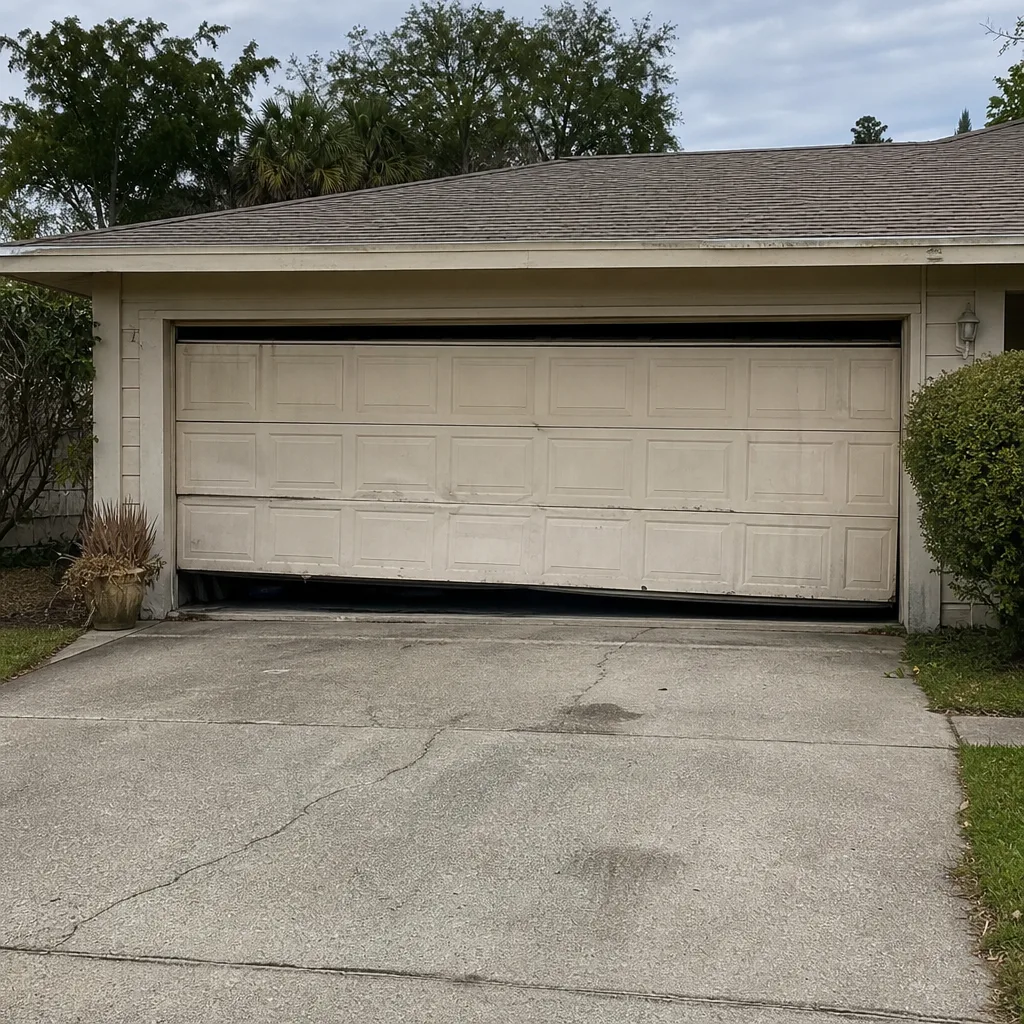
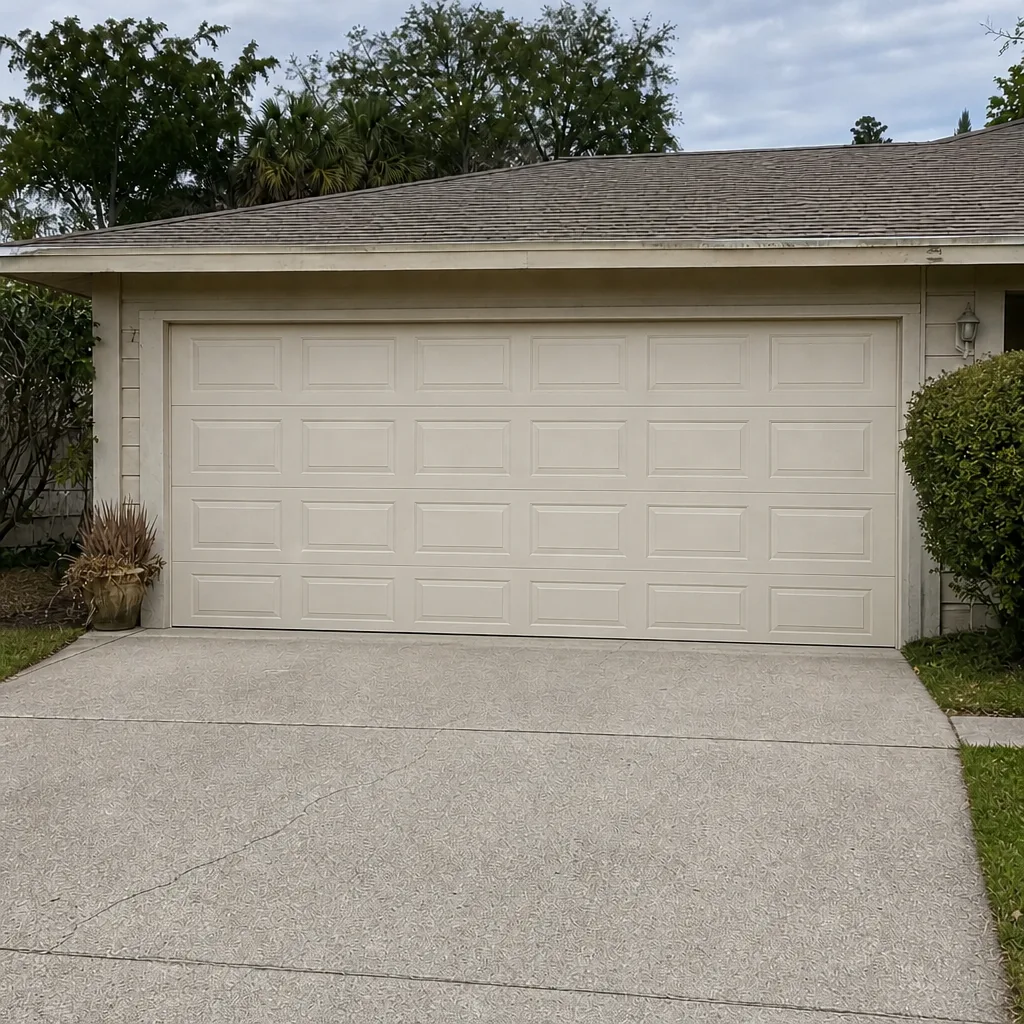
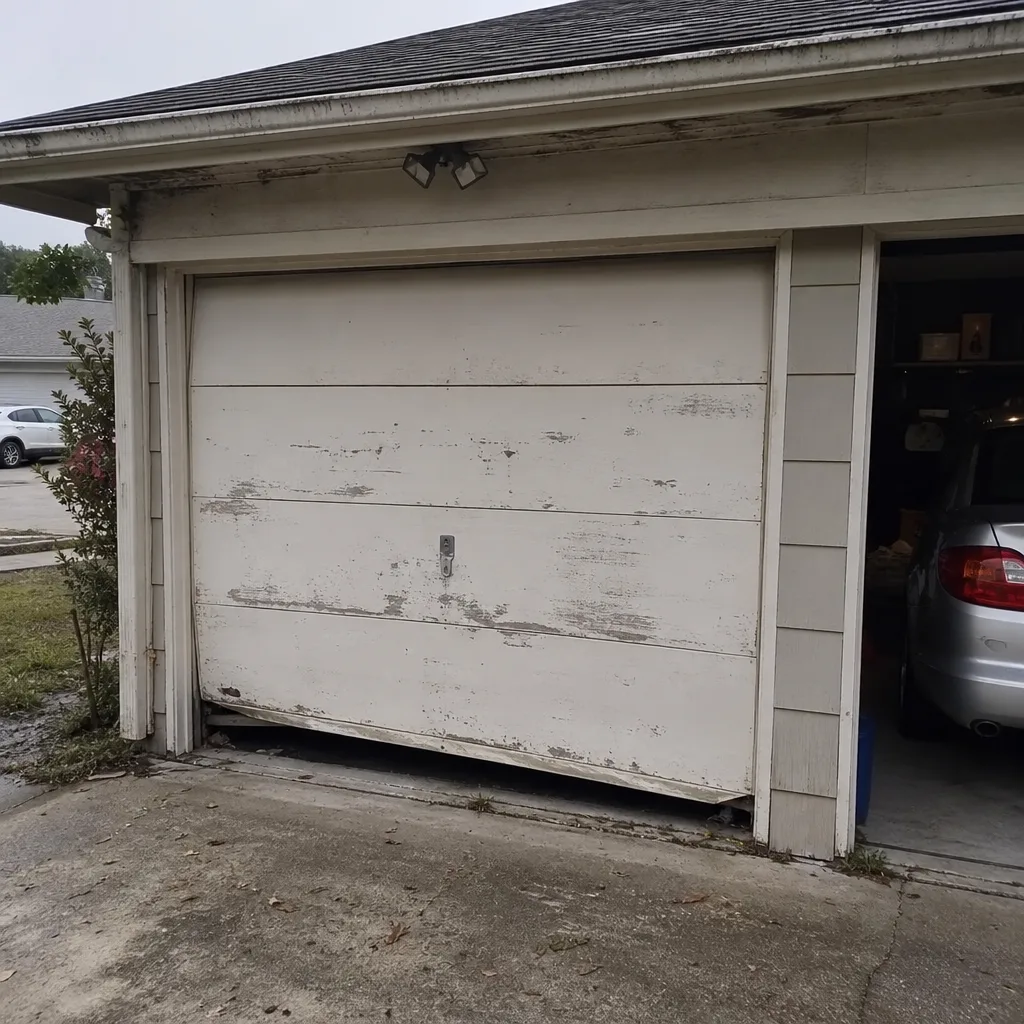
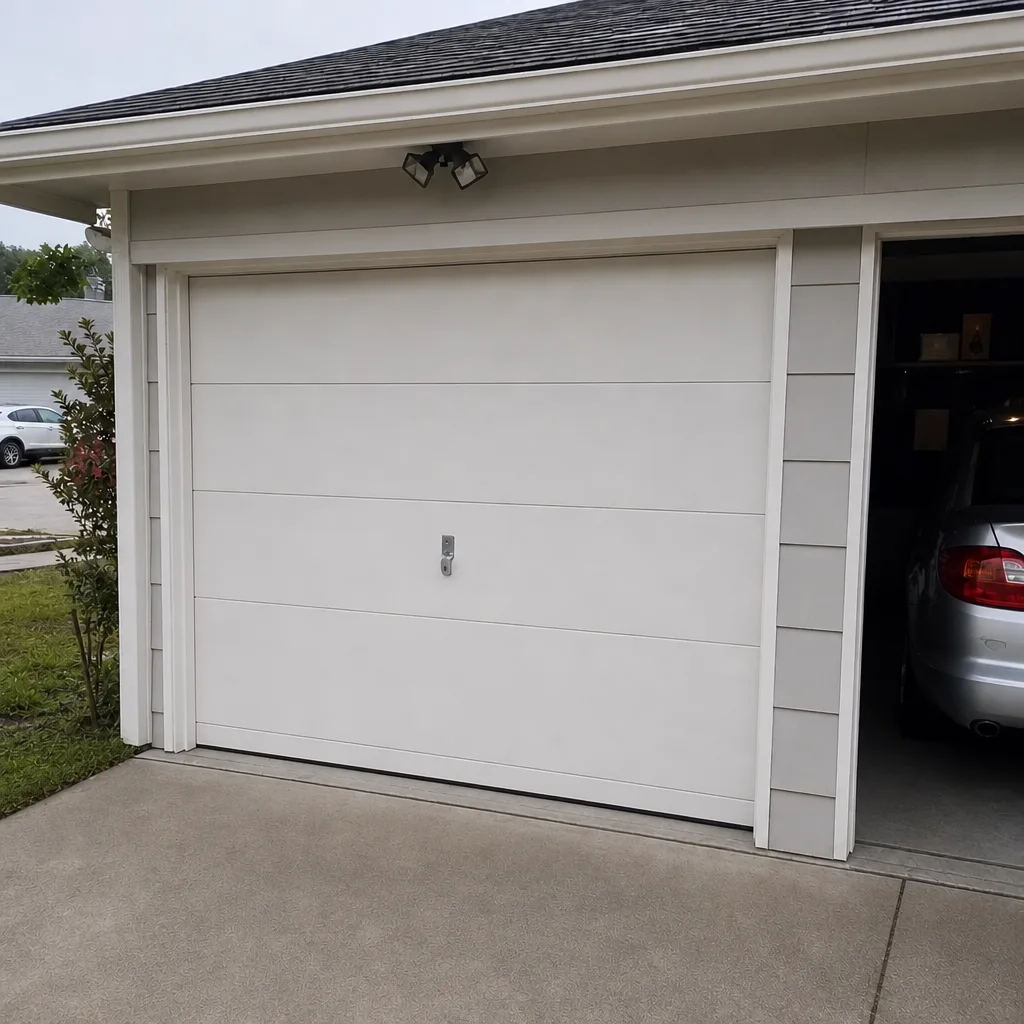
See the difference
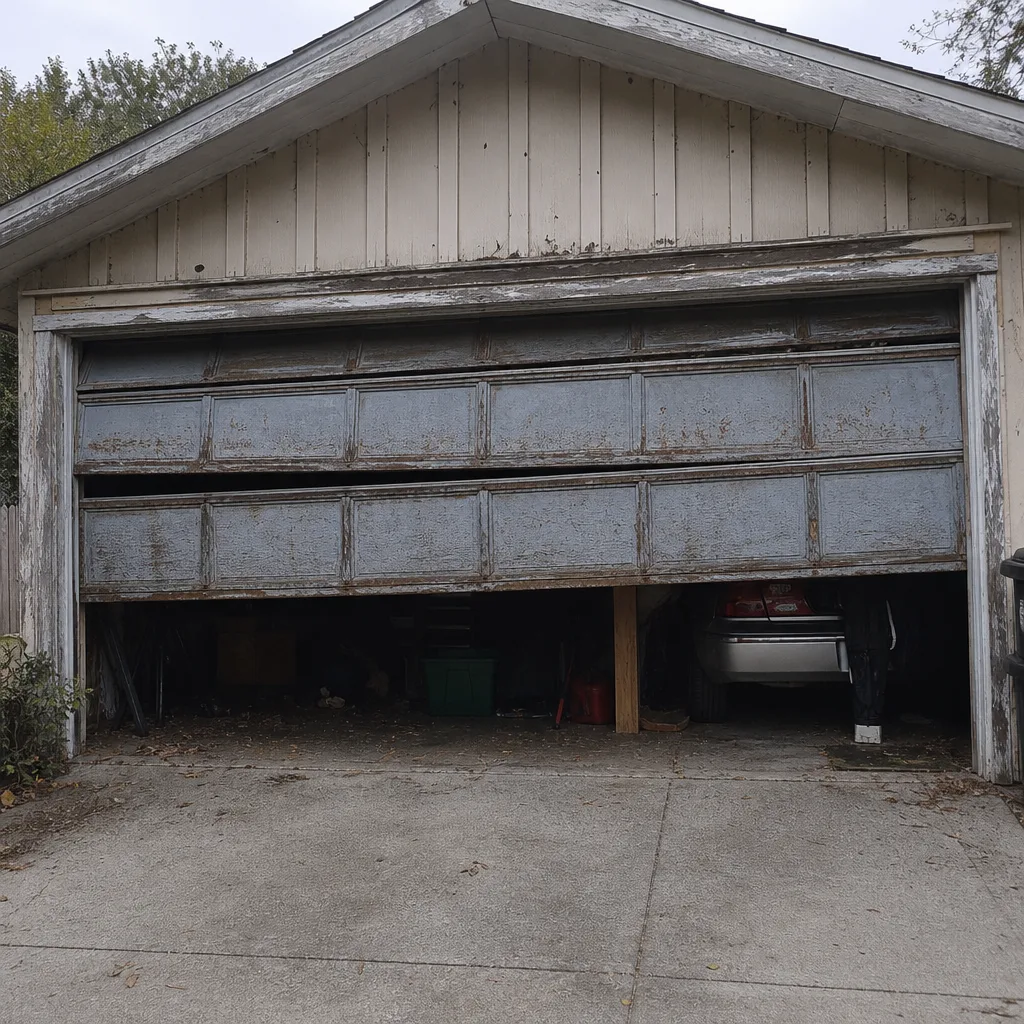 Before
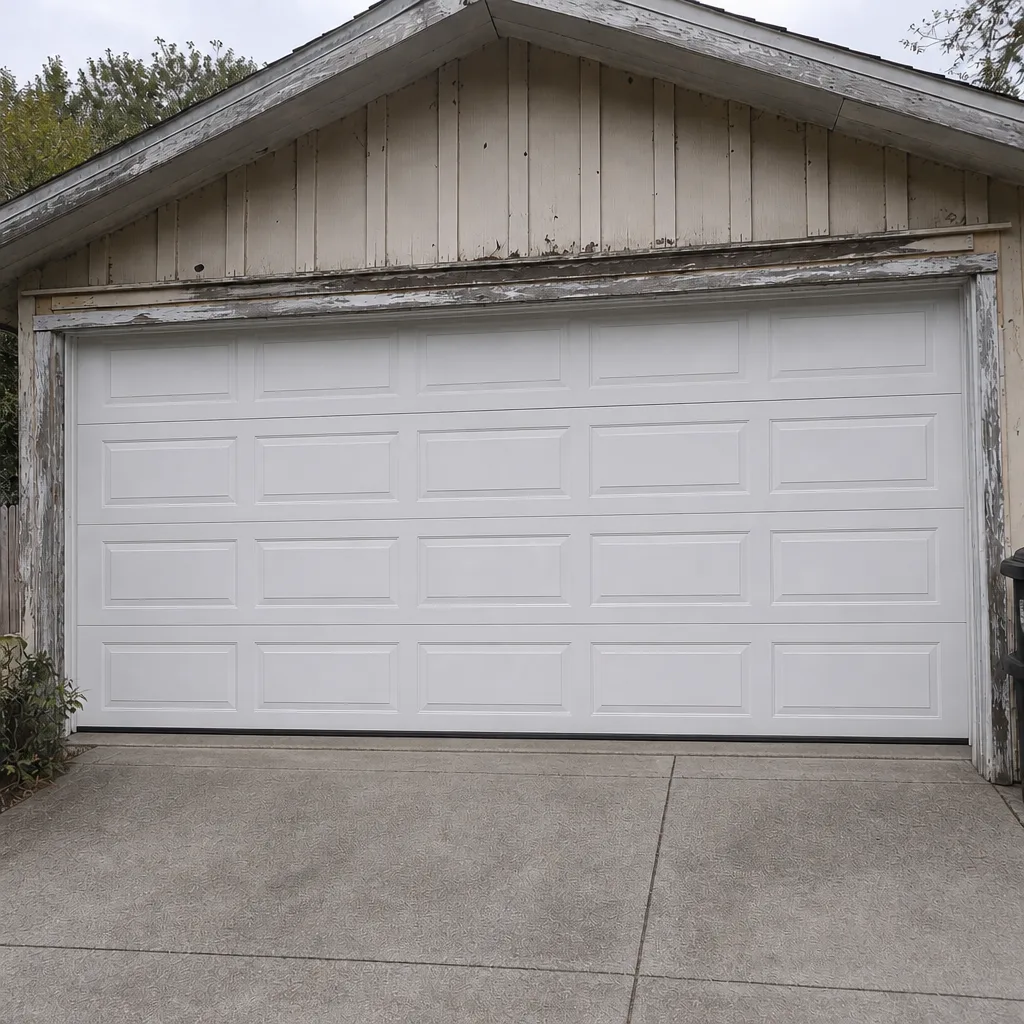 After
 Before
 After
 Before
 After
When to Call a Professional
Call for a professional inspection when the door makes a sound it didn’t make last month, when it reverses more than once in a week, when it lifts unevenly, when you find visible rust or fraying on any spring or cable, or when the opener responds inconsistently from a known-good remote. If you see a snapped spring, a visibly detached cable, or a door hanging out of its track, stop using it and call for emergency service. Those are safety situations, not maintenance items. Melbourne Garage Door Repair Pros offers free estimates in Melbourne – call (877) 492-2051 to schedule an inspection or emergency repair. Our technicians have up to 13 years of experience with every brand we service, and every job is quoted and agreed before any work starts.
Frequently Asked Questions
The earliest warning signs are usually noise and response speed: a new grinding or rattle, a door that moves slightly slower or jerks in one spot, and an opener that hesitates for a second before engaging. Visible rust on springs, orange dust below the torsion bar, and one side lagging the other are also early indicators. Any of these warrant an inspection before they progress.
Spring repair in Melbourne typically runs $180 to $340 for a single spring and roughly twice that for a matched pair, since most jobs replace both together. The written quote you receive before the work starts is the price. Call (877) 492-2051 for an exact quote – estimates are free.
Humidity-related friction is the most common cause: rusted rollers, debris in the track, or minor track misalignment triggers the opener’s safety circuit. The door reads resistance as an obstruction. A second common cause is a spring system that has lost enough tension to feel heavy to the opener. Sensor misalignment is real but less often the actual culprit.
We offer dedicated emergency garage door service for exactly this situation, and we prioritize stuck doors, broken springs, and failed openers. Call (877) 492-2051 and we’ll confirm availability and a dispatch window for Melbourne. Don’t keep running the door while it’s malfunctioning – you can turn a repair into a replacement.
No. We inspect, explain what’s wrong, and give you a written quote before any work begins. The quoted price is what you pay. If we find a secondary issue during the job, we stop, explain it, and price it separately before doing any additional work.
Yes. The local professionals we connect you with are state-licensed and insured as Florida requires. Our technicians bring up to 13 years of experience and know the specific failure patterns of LiftMaster, Chamberlain, Genie, Clopay, Amarr, Wayne Dalton, Craftsman, and Raynor systems. You’re not getting a generalist.
The Bottom Line
Garage doors fail in stages, and the stages are visible if you know what to look for. The seven sounds tell you which component is failing. Corrosion on springs and cables gives you weeks of warning if you check. Opener lag and phantom reverses almost always point back to the door itself, not the electronics. Uneven movement is a balance issue that gets worse with every cycle. Keep the monthly checklist, act on early signals, and leave the spring and cable work to a trained technician. In Melbourne, where the humidity compresses the timeline, the earlier you notice, the cheaper the fix.
If any of the warning signs in this guide are showing up on your door, get a free estimate before the symptom turns into a failure. Call (877) 492-2051 or visit Melbourne Garage Door Repair Pros to book a repair, an opener diagnosis, or a full replacement assessment. We work on every brand we service and quote every job in writing before we start.
Written by the team at Melbourne Garage Door Repair Pros.